Featured

Product

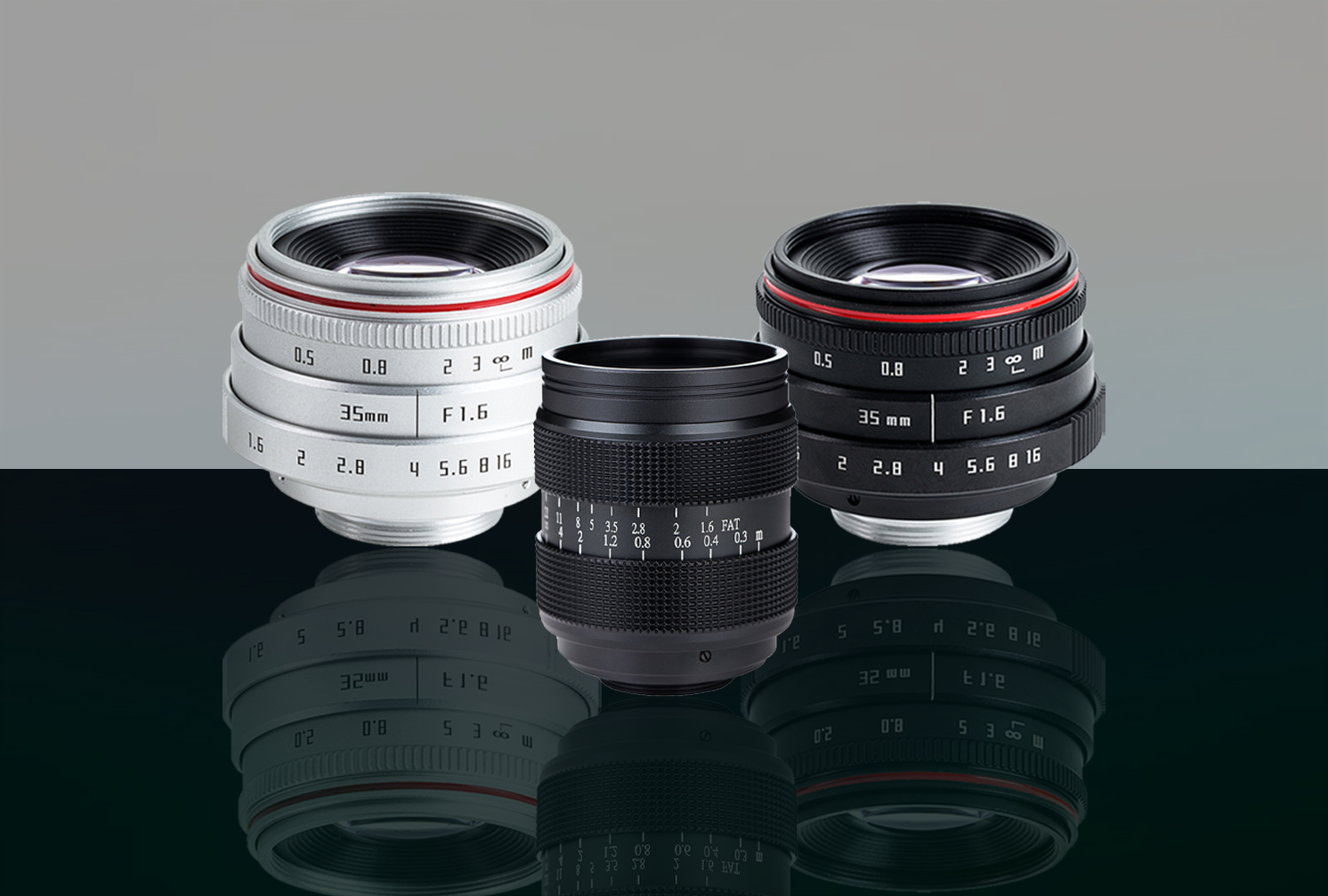
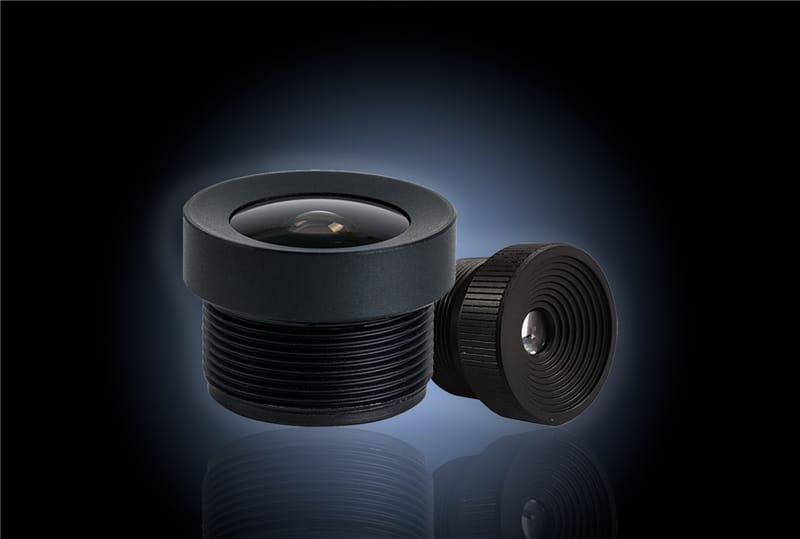
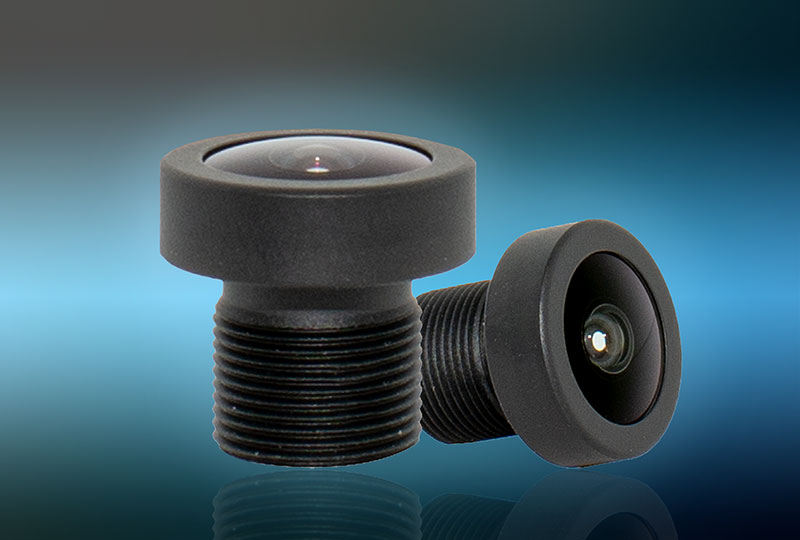
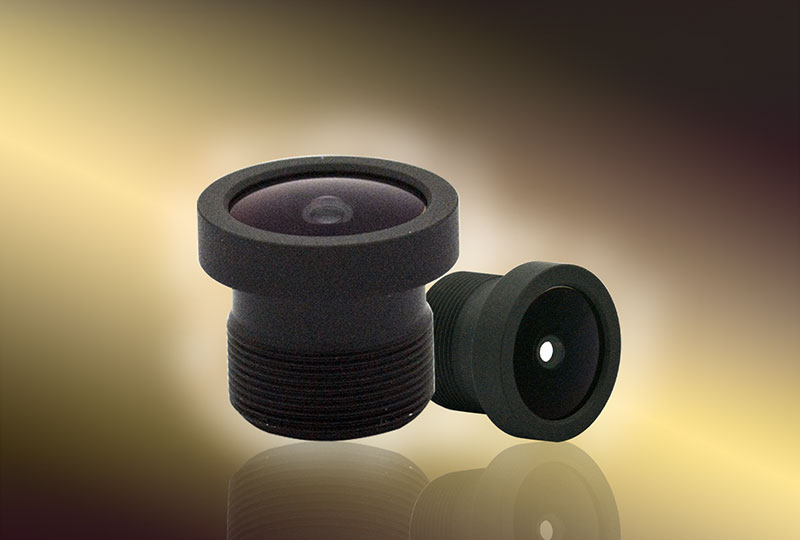
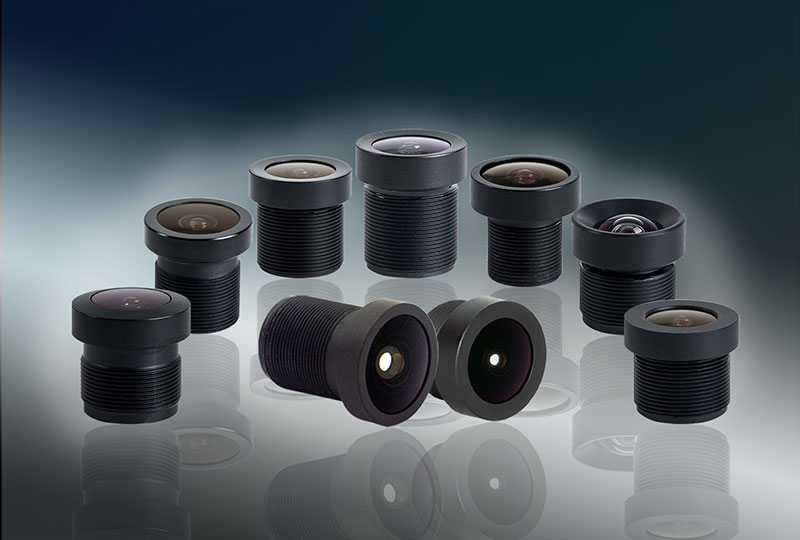
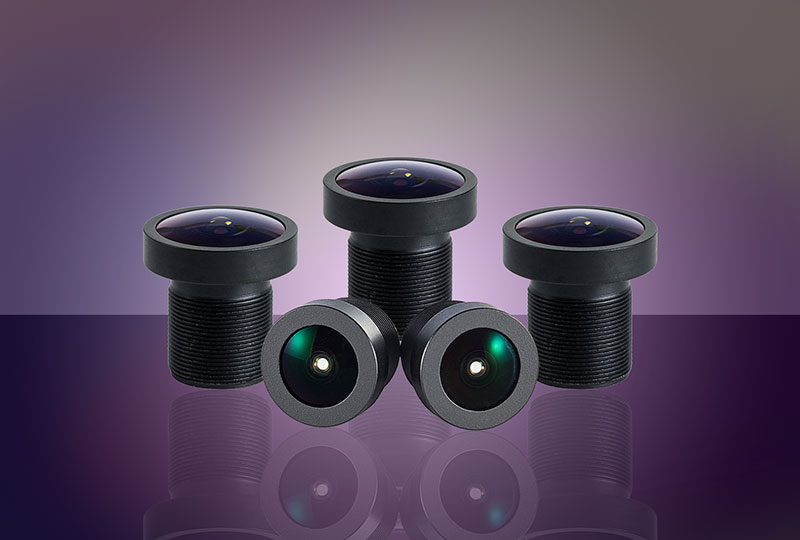
Industrial Scanning Lens

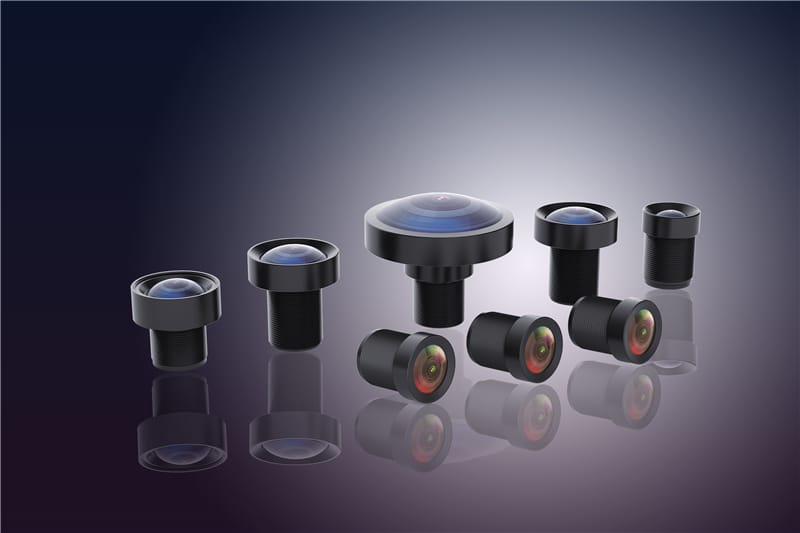
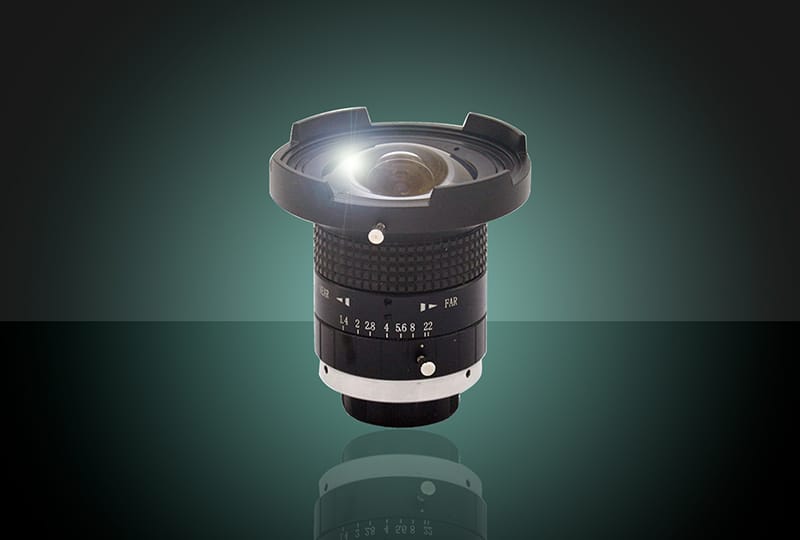
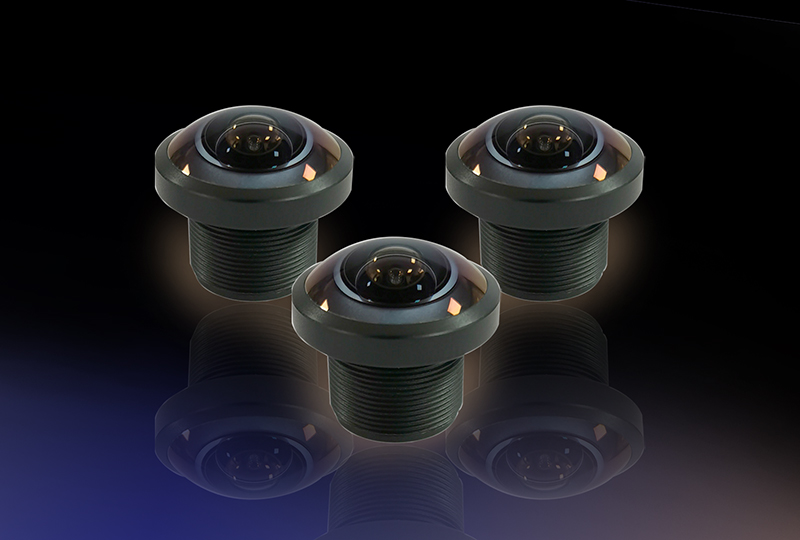
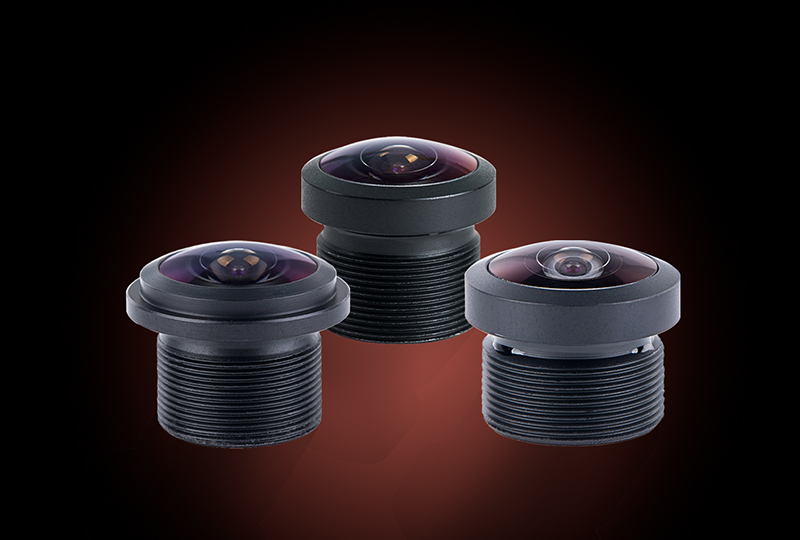
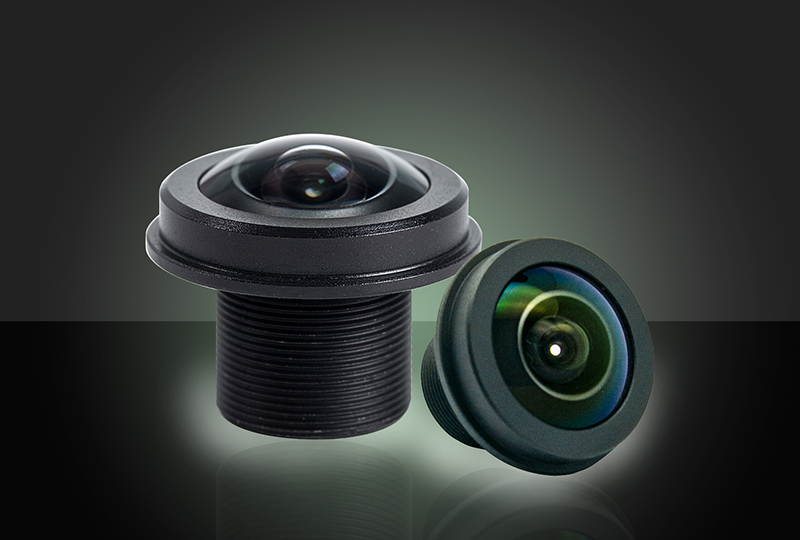
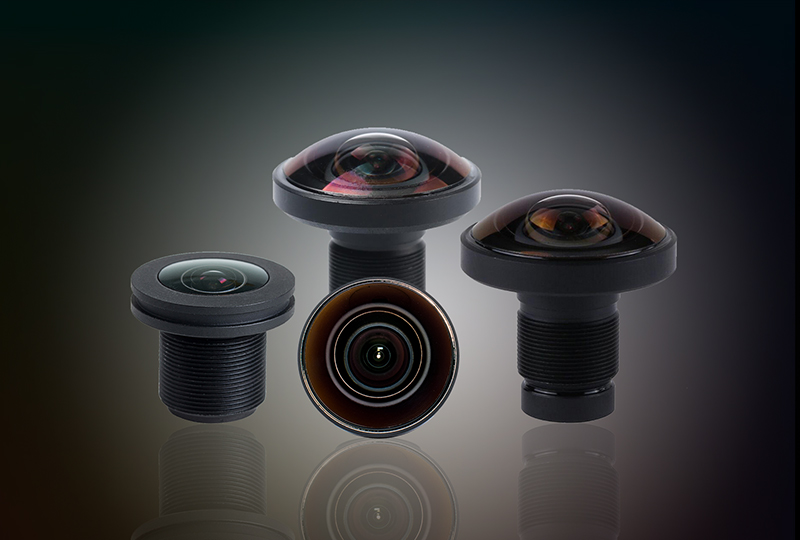
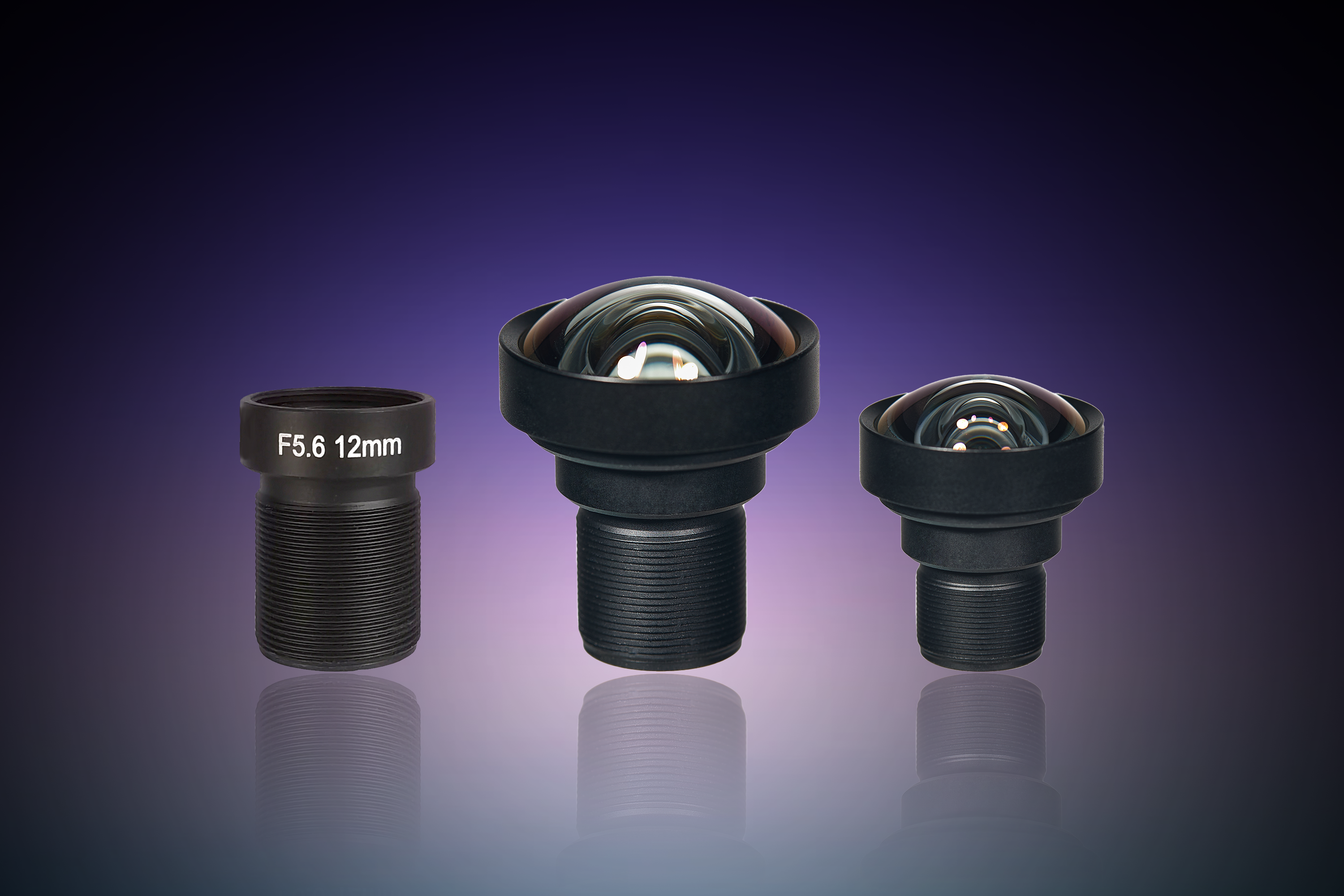
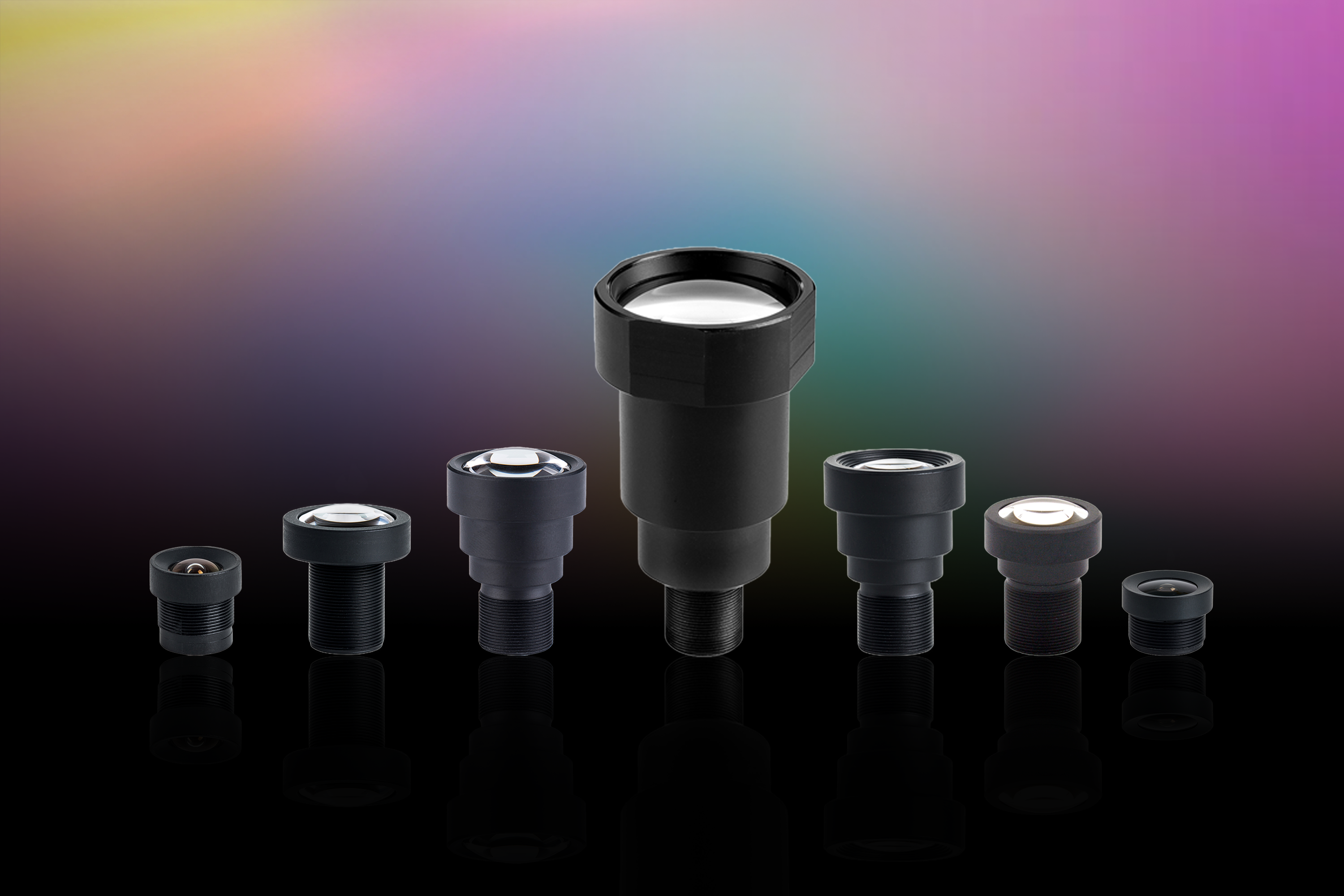
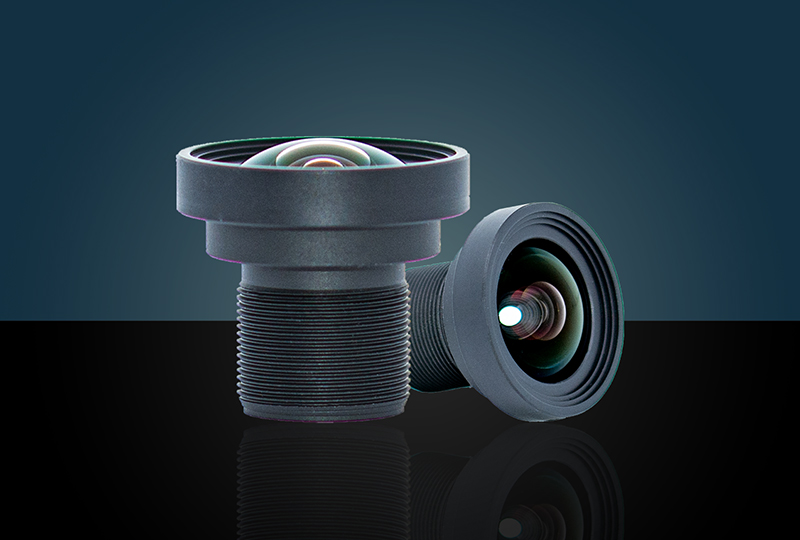
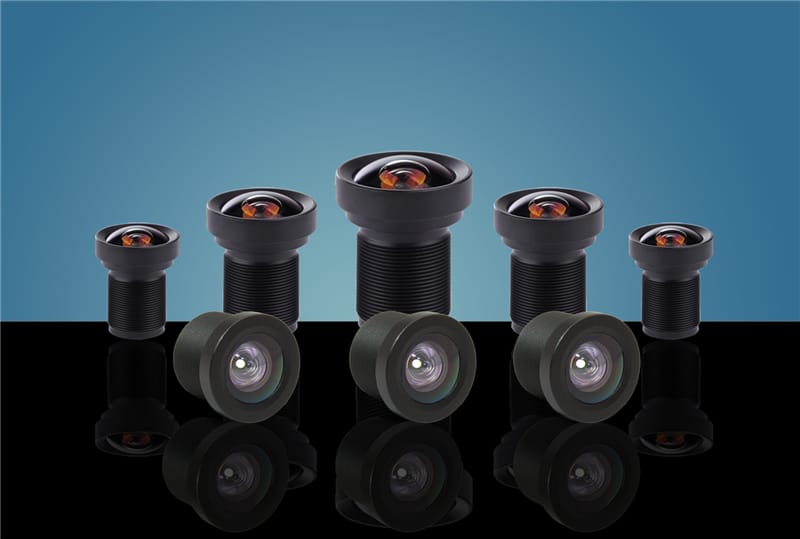
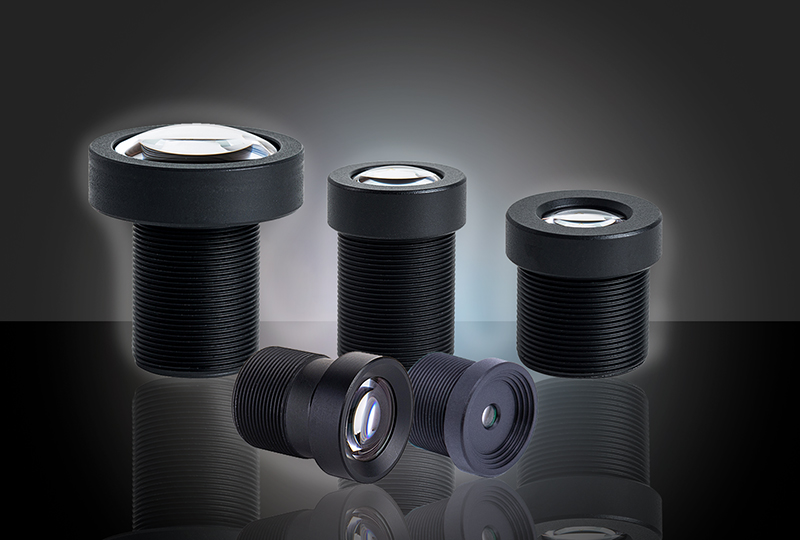
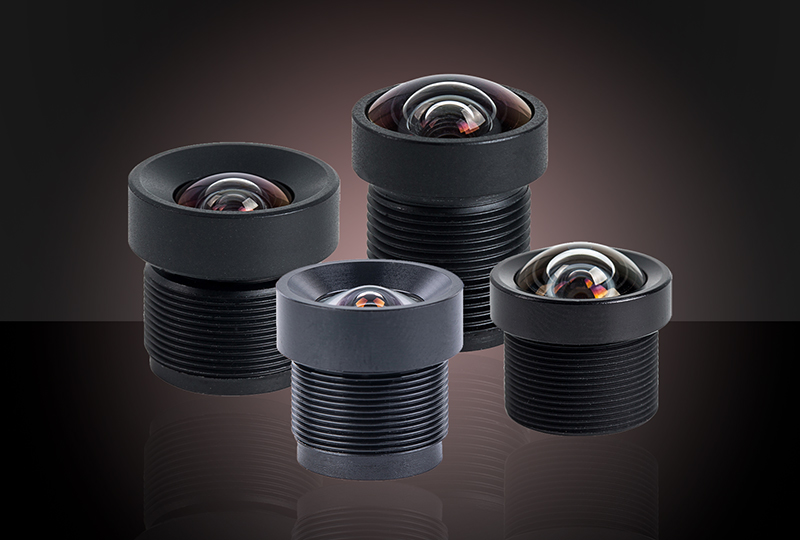
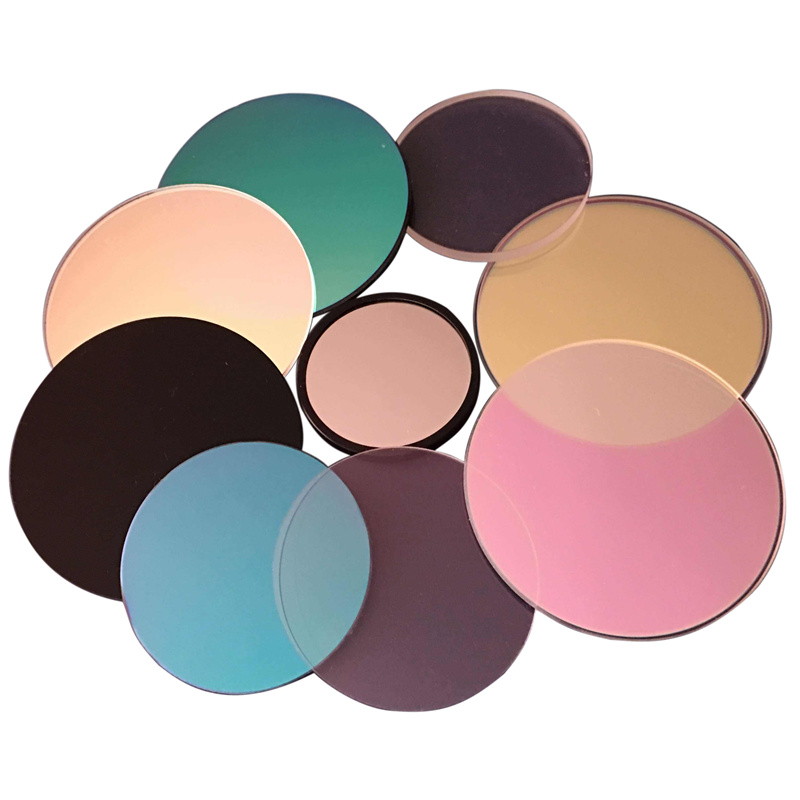
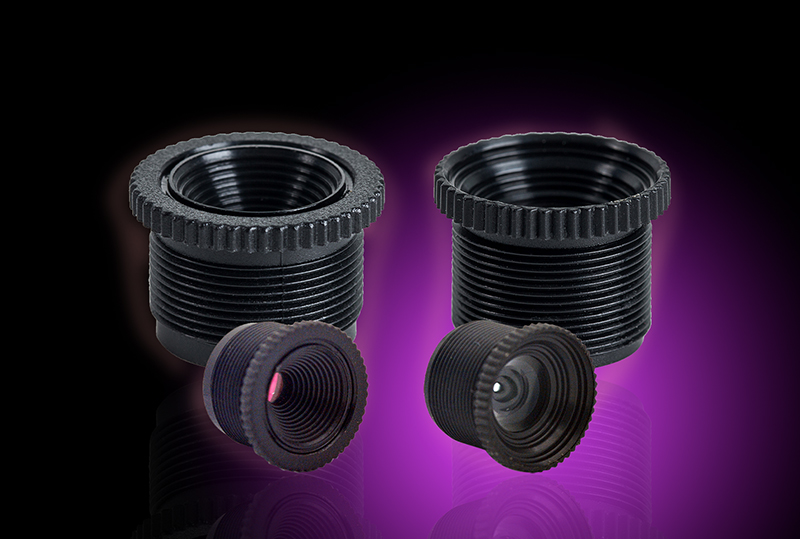
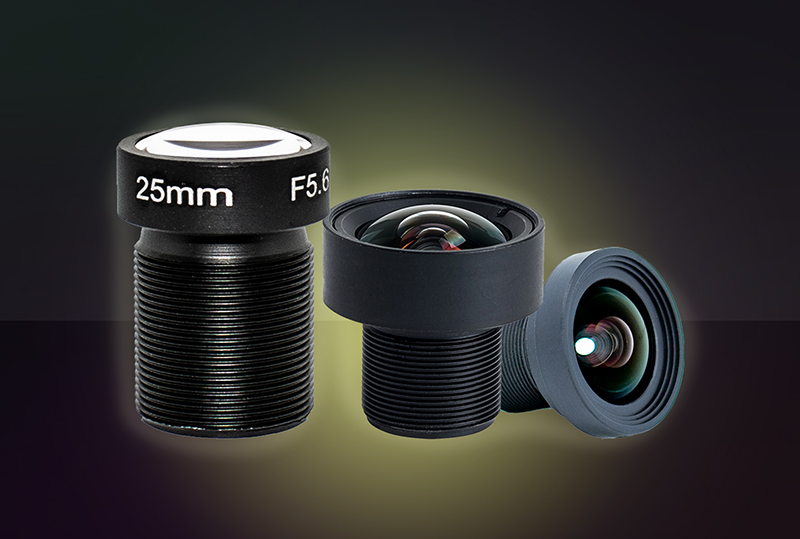
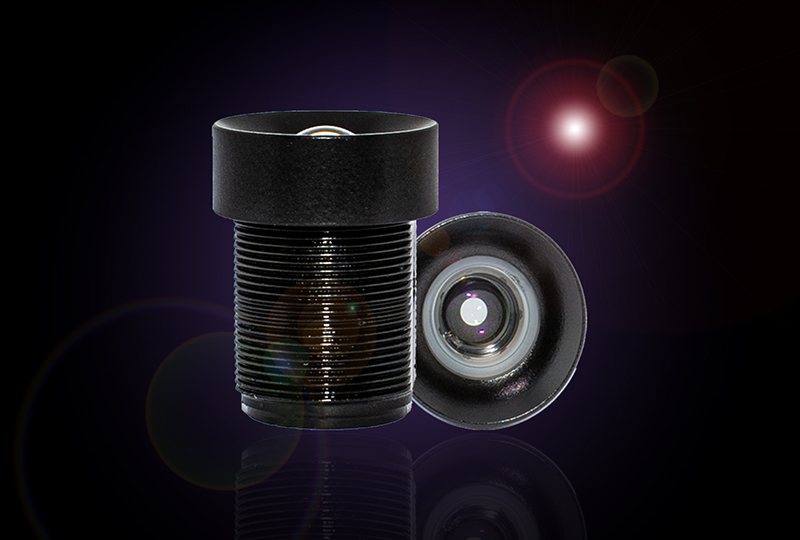
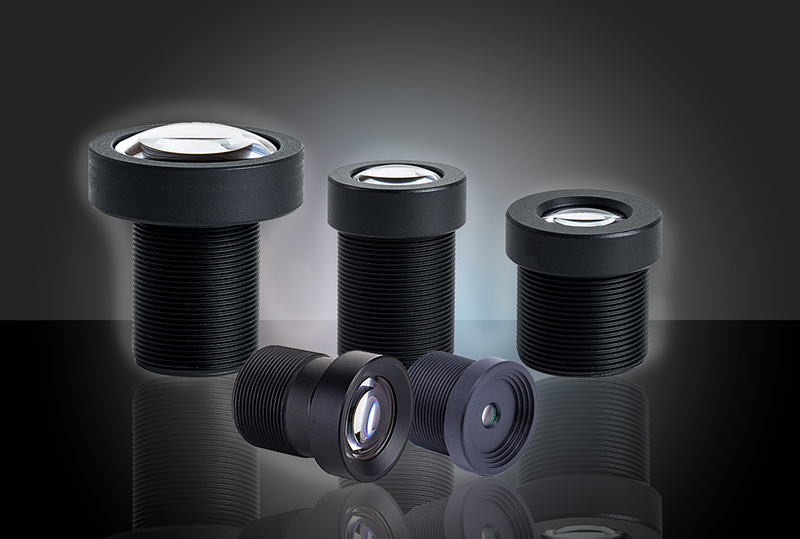
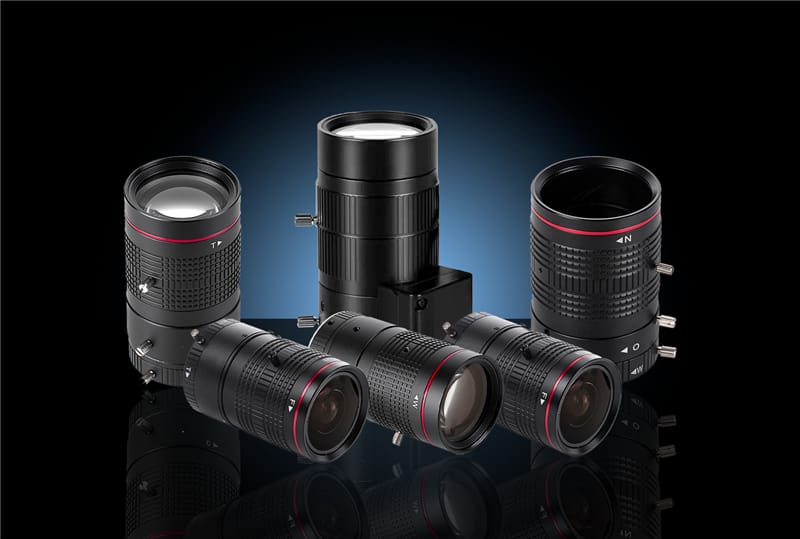
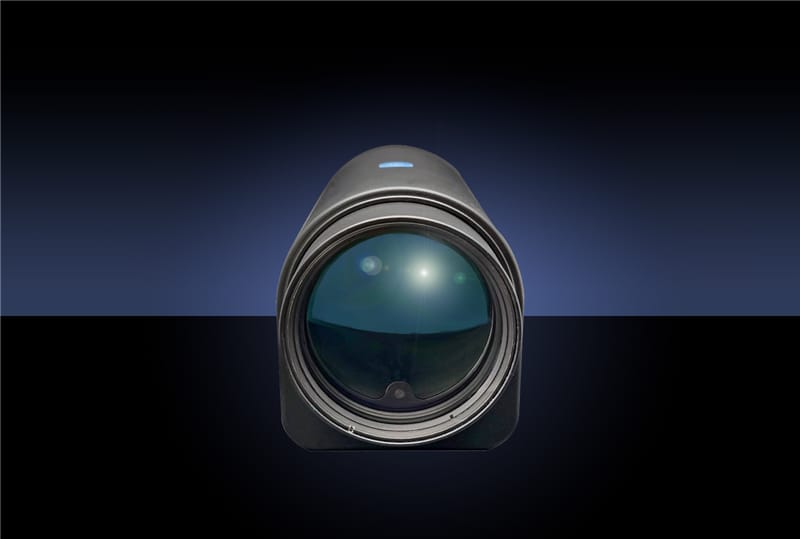
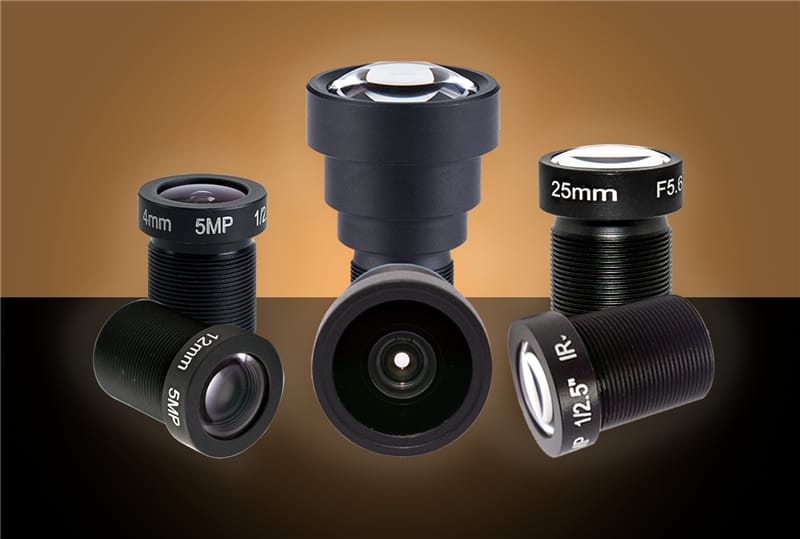
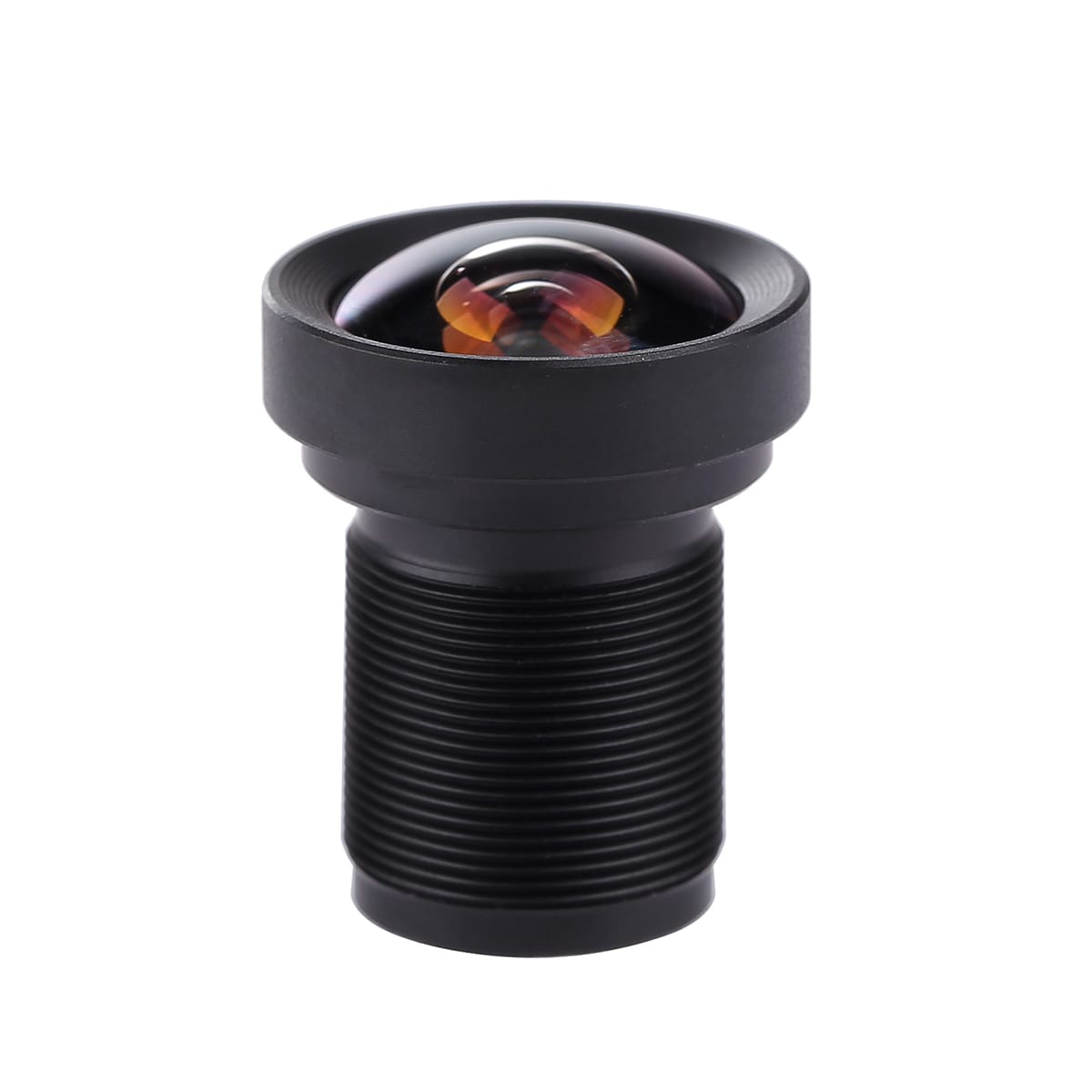
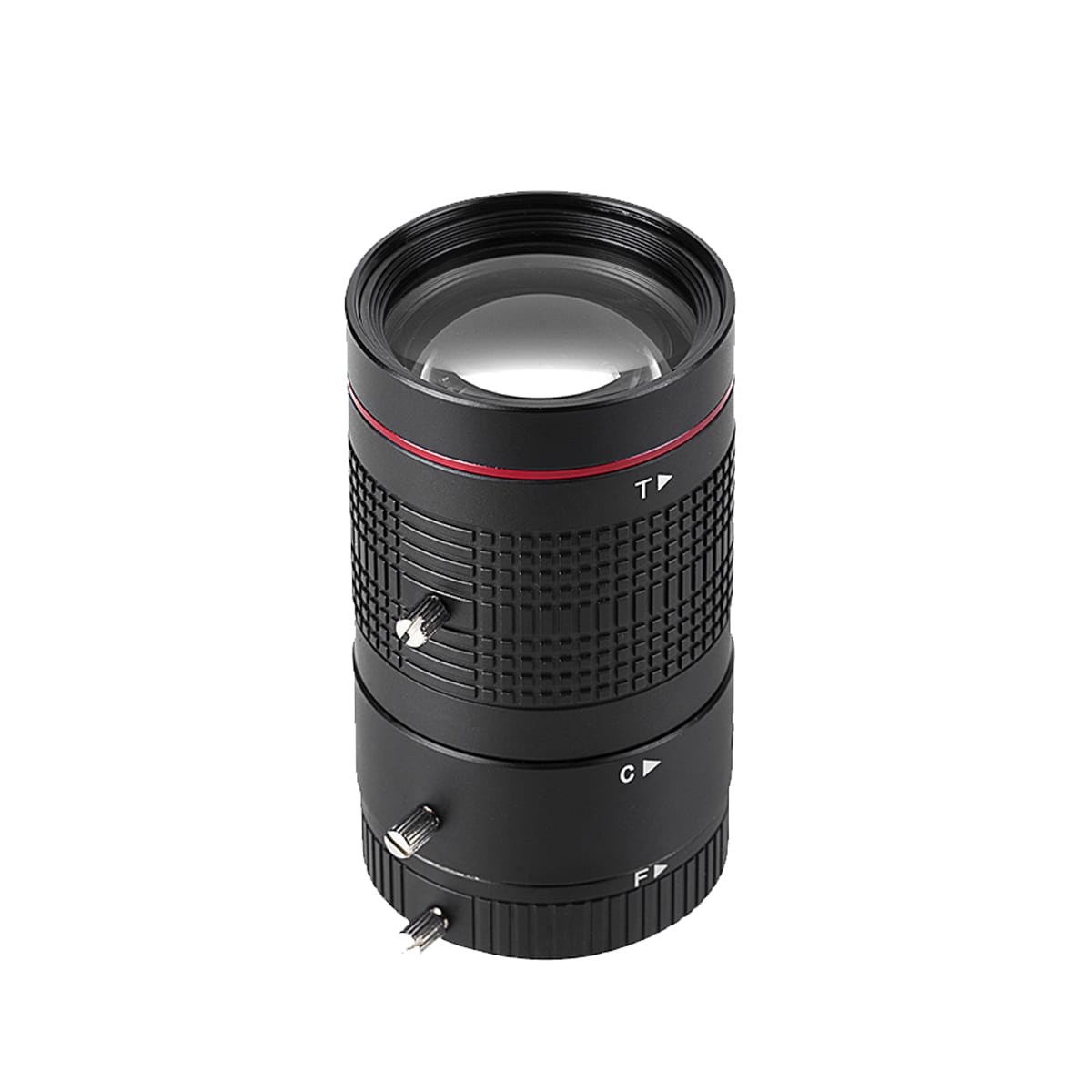
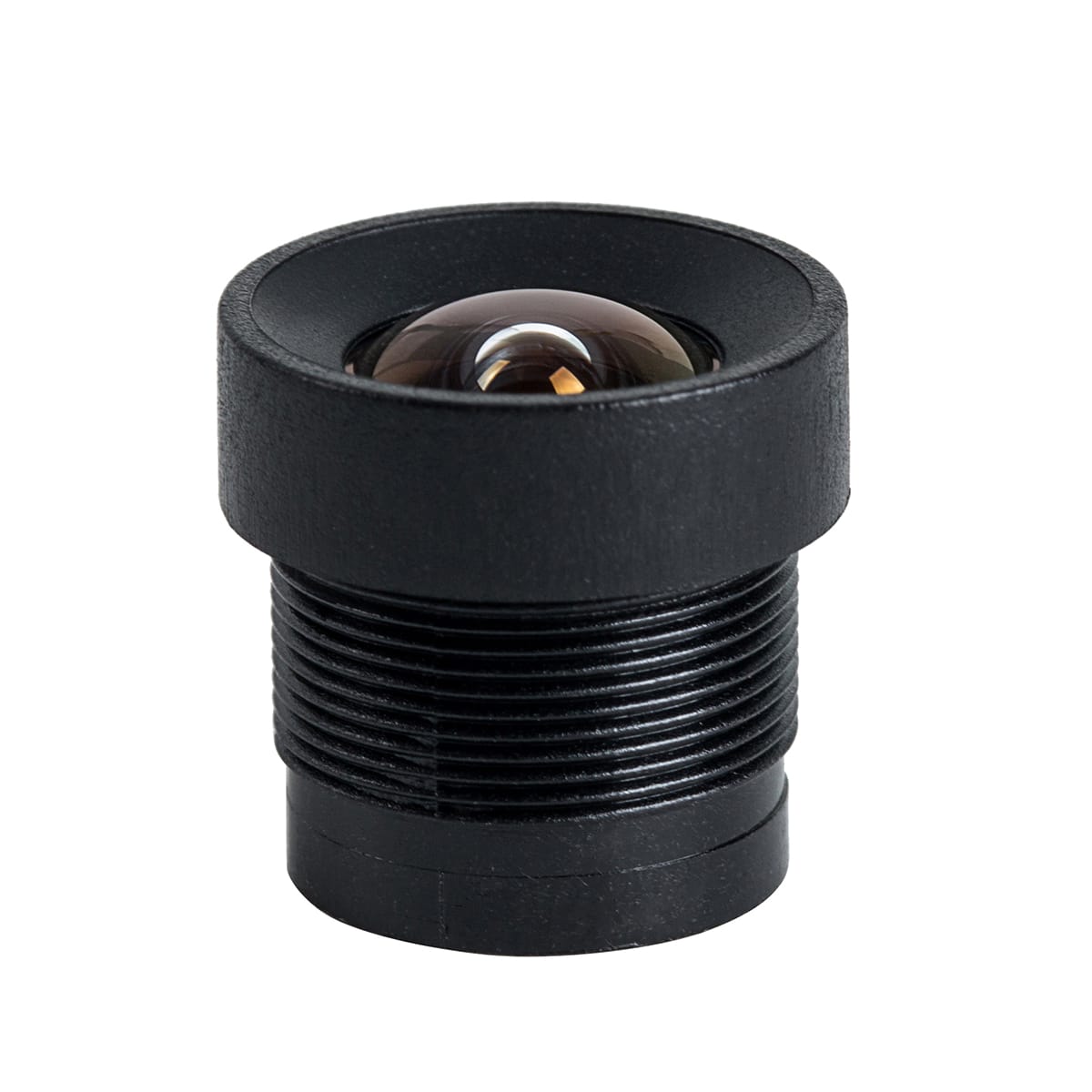
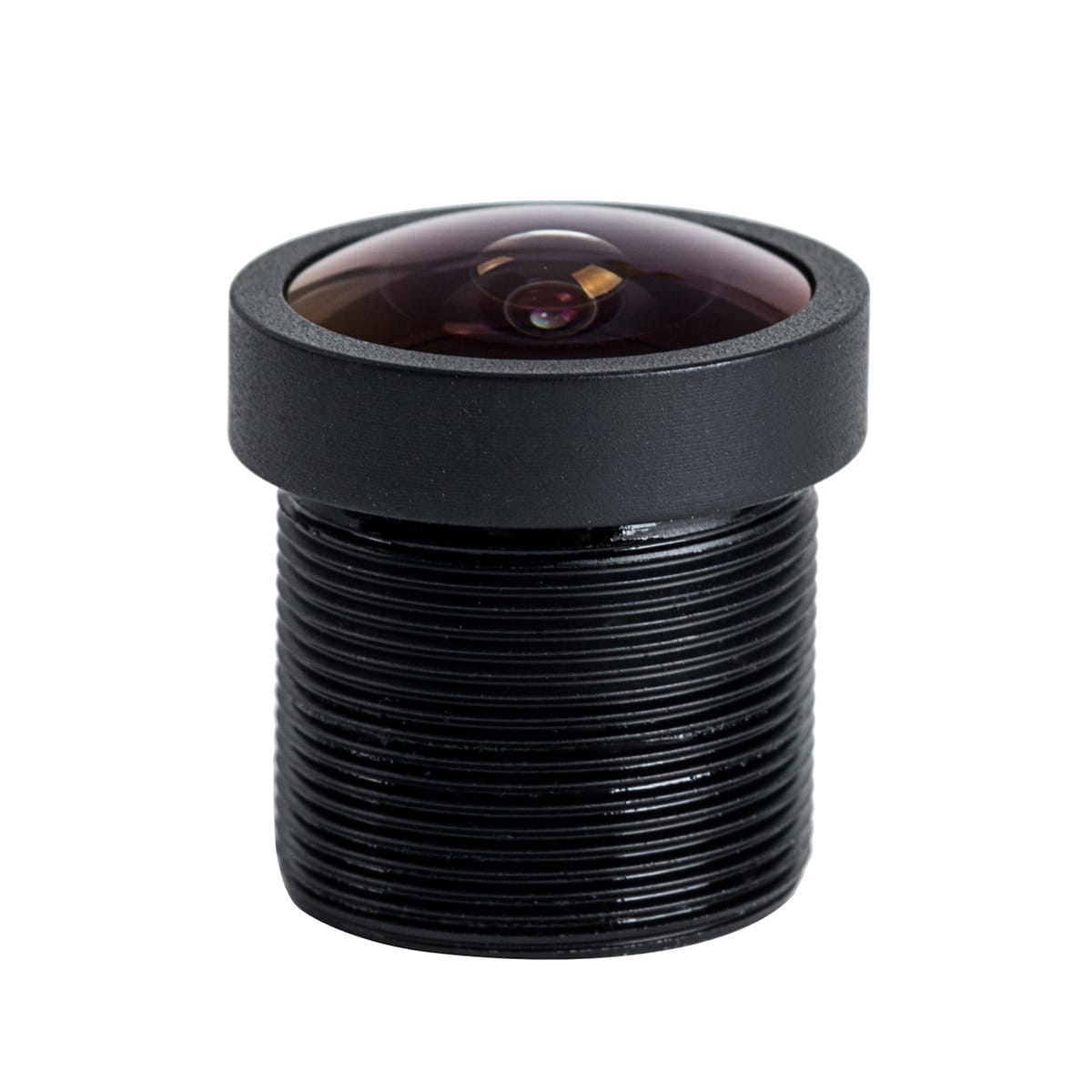
1/1.8″ series scanning lenses is designed for 1/1.8″ imaging sensor, such as IMX178, IMX334. The IMX334 is a diagonal 8.86mm CMOS active pixel type solid state image sensor with a square pixel array and 8.42M effective pixels. This chip has low power consumption. High sensitivity, low dark current and no smear are achieved. This chip suitable for surveillance cameras, FA cameras, industrial cameras. Number of recommended recording pixels: 3840(H) *2160(V) approx. 8.29Megapixel. And Unit cell size: 2.0μm(H) x 2.0μm(V). ChuangAn Optic’s 1/1.8″ scanning lenses with different iris (F2.8, F3.0, F4.0, F5.6…) and filter option (BW, IR650nm, IR850nm, IR940nm…), it can adapt to different requirements of depth of field and work wavelength. If the iris of stock version cannot meet your needs, we also provide the customized service. This 1/1.8″ series scanning lenses can used on industrial scanning system, to read low-contrast QR codes on substrates such as metal plates, castings, plastics and electronic components. Especially in industrial line identification: laser etching marking, etching marking, inkjet marking, casting marking, casting marking, thermal spray marking, geometric correction, filter correction.

Industrial Scanning Lens

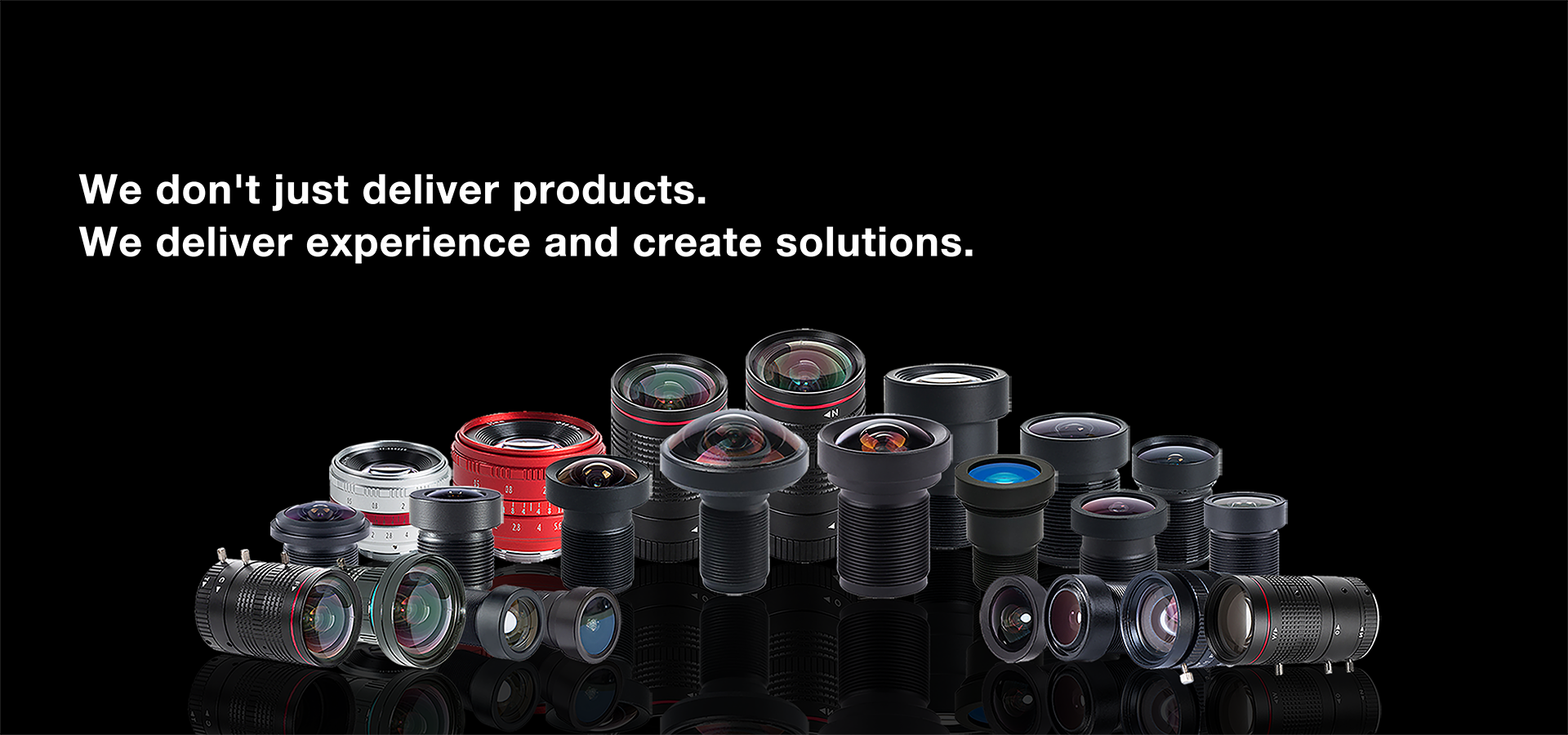
We don't just deliver products.

We deliver experience and create solutions

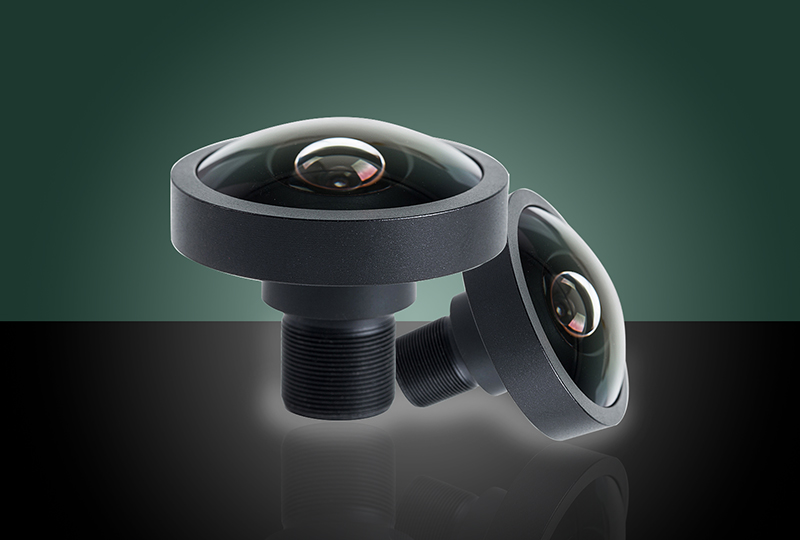
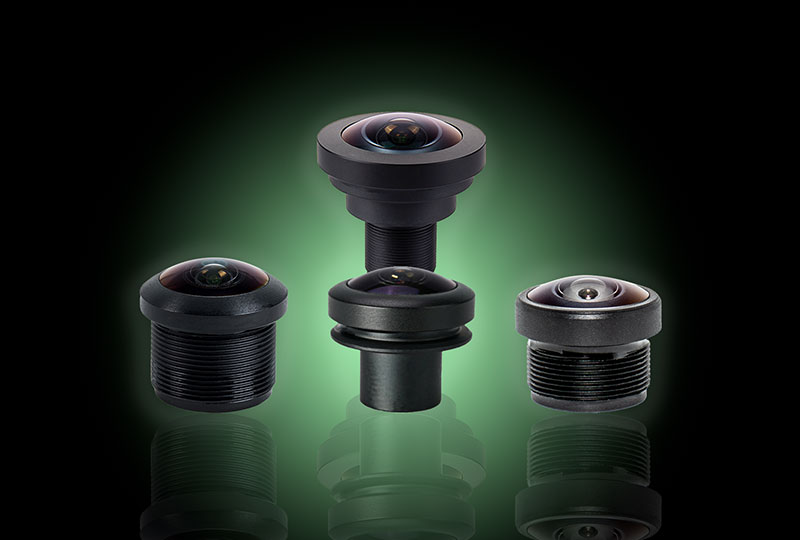
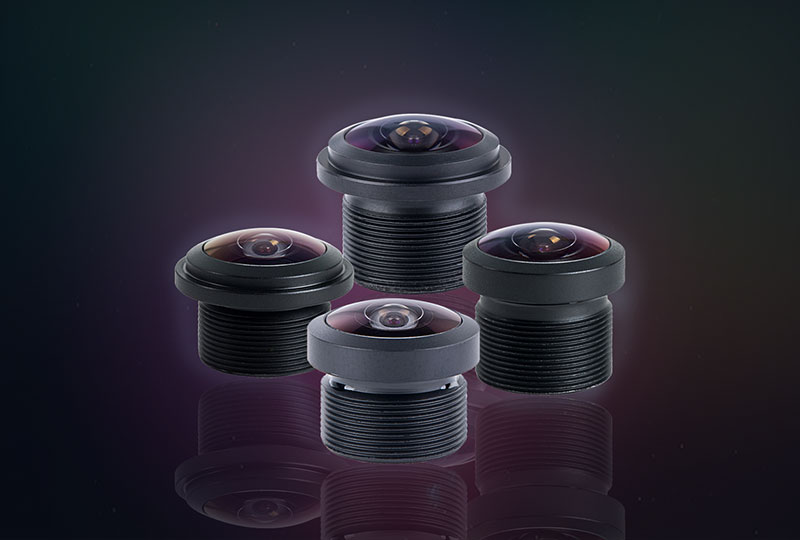
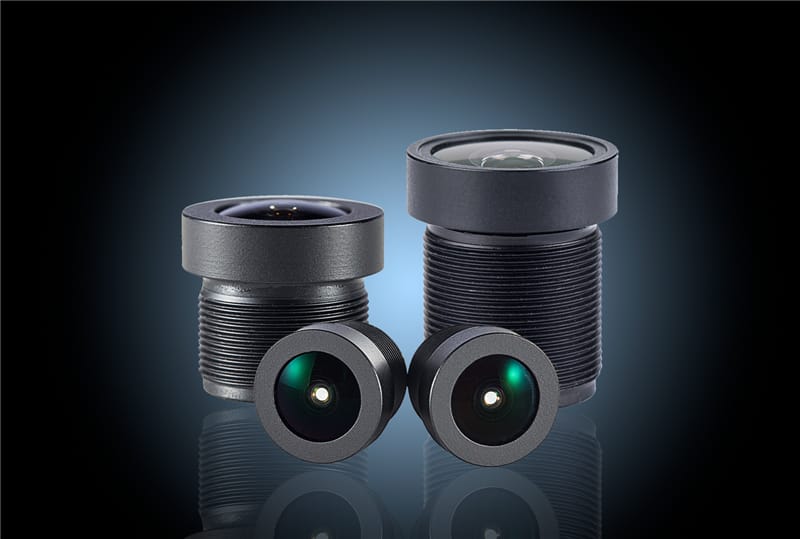
  • Fisheye Lenses
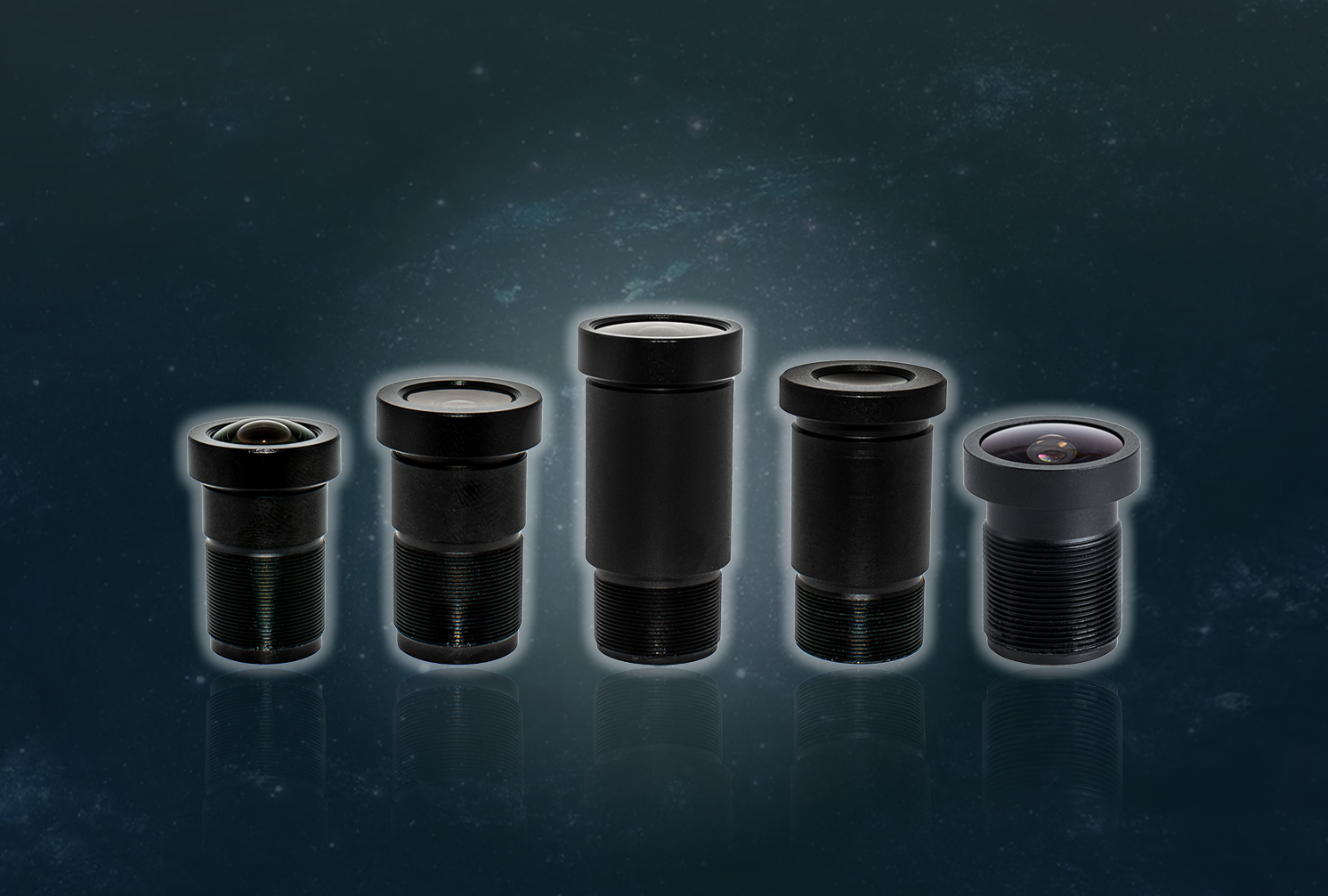
  • Low Distortion Lenses
  • Scanning Lenses
  • Automotive Lenses
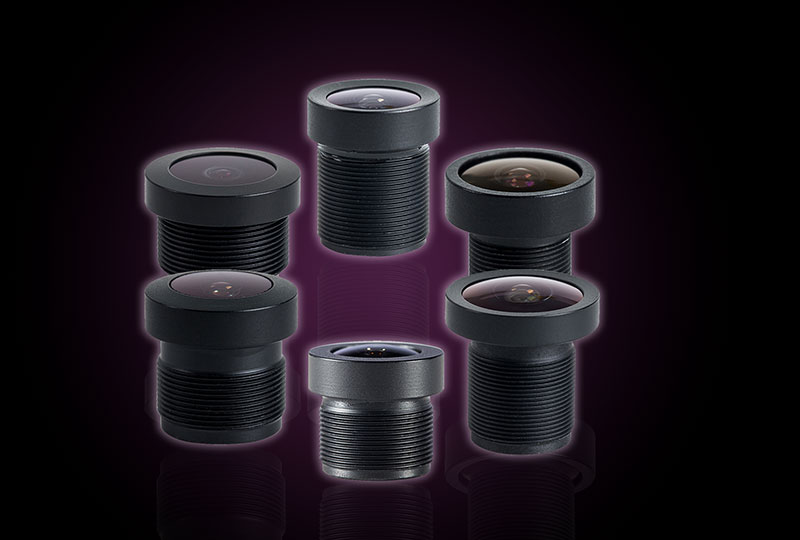
  • Wide Angle Lenses
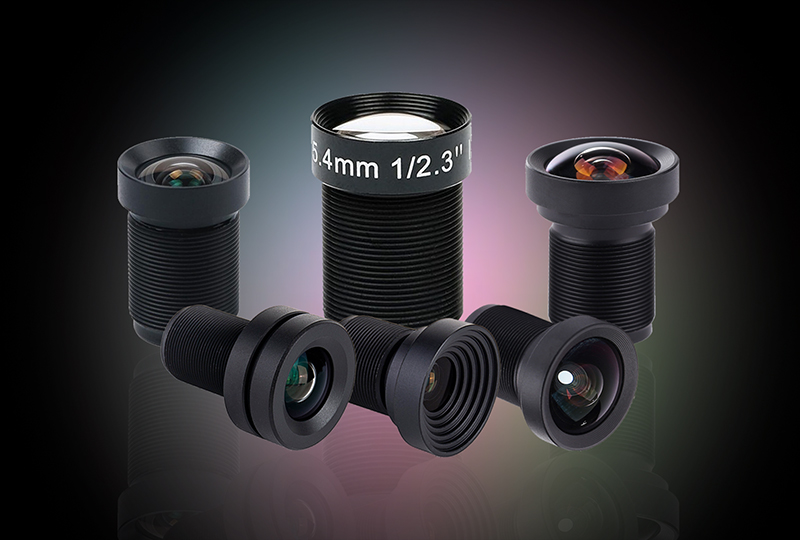
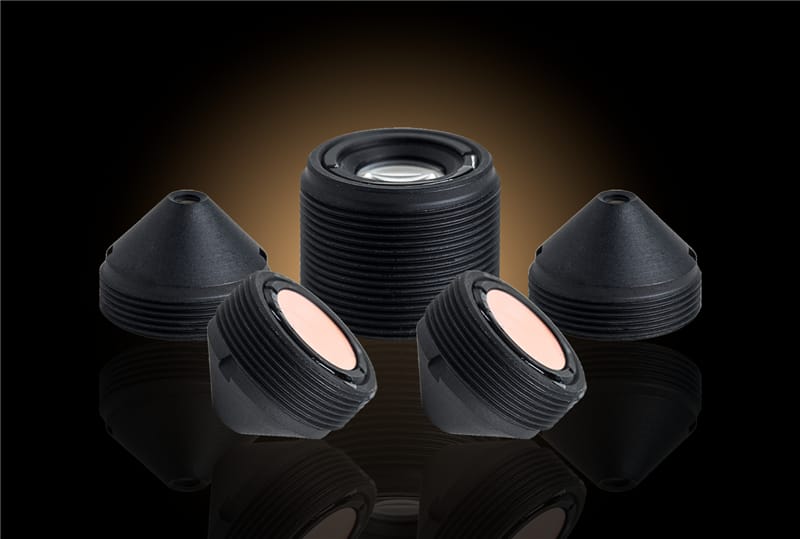
  • CCTV Lenses
Overview

Founded in 2010, Fuzhou ChuangAn Optics is a leading company in manufacturing innovative and superior products for the vision world, such as CCTV lens, fisheye lens, sports camera lens, non distortion lens, automotive lens, machine vision lens, etc., also providing customized service and solutions. Keep innovation and creativity is our development concepts. Researching members at our company has been striving for developing the new products with over years of technical know-how, along with the strict quality management.We strive to achieve win-win strategy for our customers and end-users.

  • 10

    years

    We are specialized in R&D and design for 10 years
  • 500

    Types

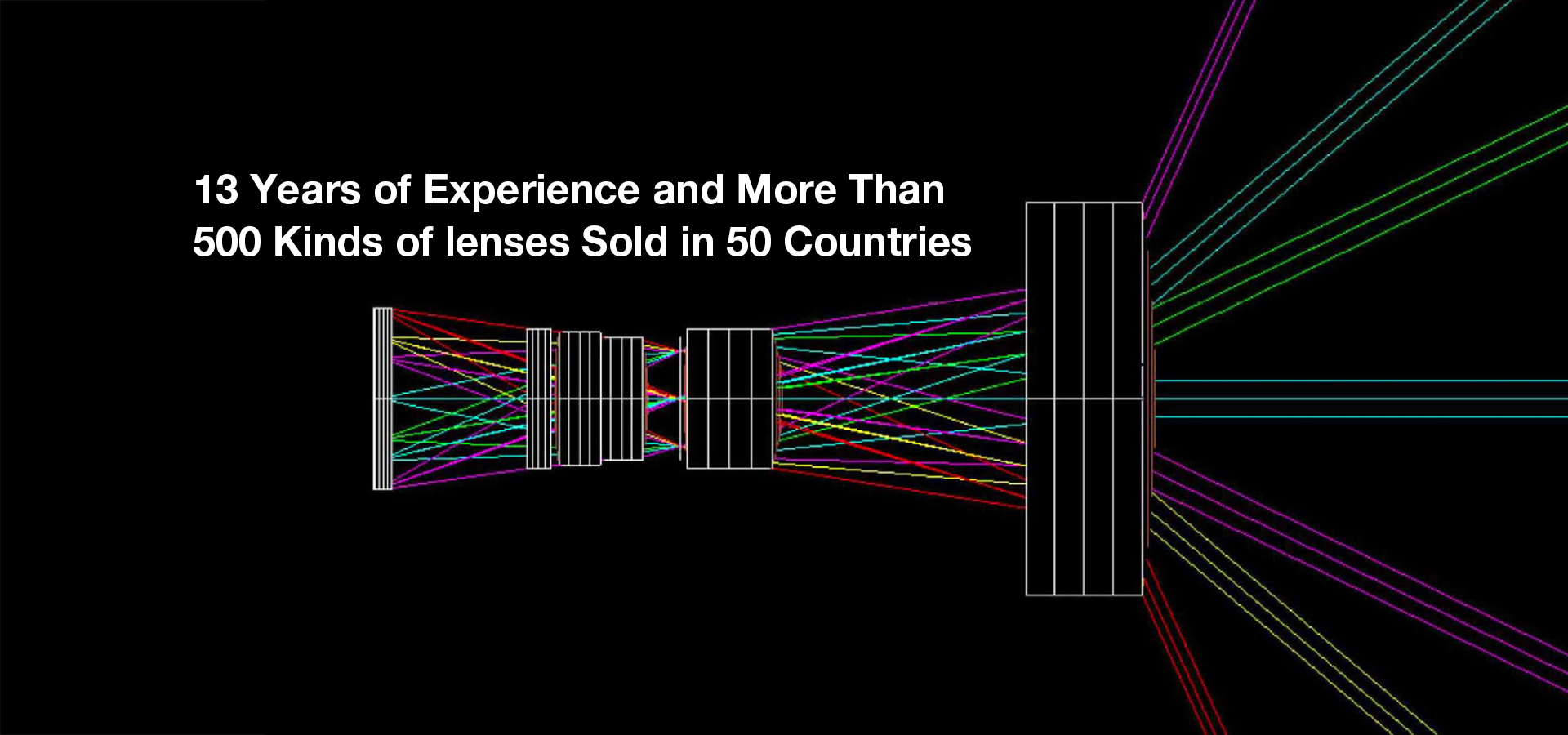
    We have independently developed and designed more than 500 kinds of optical lenses
  • 50

    Countries

    Our products are exported to more than 50 countries and regions
  • What Are The Shooting Techniques For Using A Wide Angle Lens?
  • What Are The Specific Applications of ToF Lenses in Autonomous Driving?
  • How to Use Industrial Macro Lenses to Monitor Quality in 3D Printing
  • What Impact Does Lens Distortion Have on Machine Vision?
  • Aberration Avoidance Solutions For Different Shooting Scenarios

Latest

Article

  • What Are The Shooting Techniques For Using A Wide Angle Lens?

    Wide angle lenses offer a wide field of view and are a highly expressive type of lens in photography, delivering a strong visual impact and a sense of space. Therefore, mastering certain shooting techniques is essential when using wide-angle lenses to better leverage their advantages and create more impactful and expressive works. If wide angle lenses are used improperly, the image can easily appear cluttered or lack a subject. Mastering some shooting techniques is essential: 1.Proximity to the main subject, highlighting the foreground Wide angle lenses exaggerate perspective relationships,...
  • What Are The Specific Applications of ToF Lenses in Autonomous Driving?

    ToF sensors are becoming an indispensable core technology for autonomous vehicles. ToF lenses enable vehicles to perceive their environment and monitor intelligently through ToF sensors, and have a wide range of specific applications in the field of autonomous driving. Their unique advantage lies in their ability to quickly generate high-resolution depth maps under complex lighting conditions. The specific applications of ToF lenses in autonomous driving are primarily manifested in the following ways: 1.Close-range obstacle detection ToF lenses offer distinct advantages in close-range sensi...

  • How to Use Industrial Macro Lenses to Monitor Quality in 3D Printing

    Industrial macro lenses possess close-range imaging capabilities characterized by high magnification, low distortion, and high resolution. In the context of industrial 3D printing, they enable the real-time capture of micron-scale details—precisely capturing interlayer bonding, micro-defects, dimensional accuracy, and surface morphology—thereby supporting real-time closed-loop control and batch-level quality assessment. Utilizing industrial macro lenses for quality monitoring in 3D printing is one of the key technologies for achieving zero-defect production. Let’s take a look at the c...

  • What Impact Does Lens Distortion Have on Machine Vision?

    Lens distortion is a critical optical issue in machine vision systems, directly affecting the geometric accuracy of images and leading to problems such as measurement errors, inaccurate positioning, and recognition failures. This distortion can have multiple effects in machine vision applications, depending on the accuracy requirements of the application and the degree of distortion. Let’s take a look at the specific impact of lens distortion on machine vision: 1.This leads to a decrease in measurement accuracy In applications requiring precise measurement of object size, distance, or...

  • Aberration Avoidance Solutions For Different Shooting Scenarios

    Aberrations are unavoidable phenomena in the imaging process of optical lenses. Common aberrations include chromatic aberration, spherical aberration, astigmatism, field curvature, and distortion. The types of aberrations that are prominent vary greatly depending on the lighting conditions, the subject, and the composition requirements of different shooting scenarios. Understanding and learning how to avoid aberrations in different scenarios can significantly improve image quality. Below, we will examine targeted aberration avoidance solutions based on different shooting scenarios and their...

Our Strategic Partners

  • part (8)
  • part-(7)
  • part-1
  • part (6)
  • part-5
  • part-6
  • part-7
  • part (3)