
Industrial lenses are characterized by low distortion, high resolution, precise imaging, high color fidelity, and strong environmental adaptability; they find widespread application across numerous fields and have also demonstrated significant potential within the realm of medical imaging.
Overall, the application of industrial lenses in the field of medical imaging is primarily concentrated in three key areas: diagnosis, surgery, and scientific research. Let us now take a closer look at the specific application categories:
1.Pathological section observation and analysis
High-power microscopes utilized in pathology departments are equipped with industrial lenses to facilitate the examination of tissue sections. By integrating with the microscope and camera, these industrial lenses deliver high magnification and high-resolution imaging, enabling physicians to identify morphological changes in cellular tissues and thereby assist in the pathological diagnosis of diseases such as cancer.
For example, in cervical cancer TCT screening, industrial lenses can help automated imaging systems quickly capture images of cell smears for automated analysis and archiving.
2.Life science microscopic imaging
In fields such as pharmaceutical R&D and genetic research, high-contrast, low-noise fluorescence images are essential. Industrial lenses—particularly apochromatic lenses—effectively correct chromatic aberration, ensuring the precise alignment of images across different fluorescence channels for use in fluorescence microscopy.
Meanwhile, in cell biology research, high frame rate and low distortion industrial lenses can be used to observe cell growth, division and migration processes for extended periods in environments such as incubators, providing data support for cell behavior research.
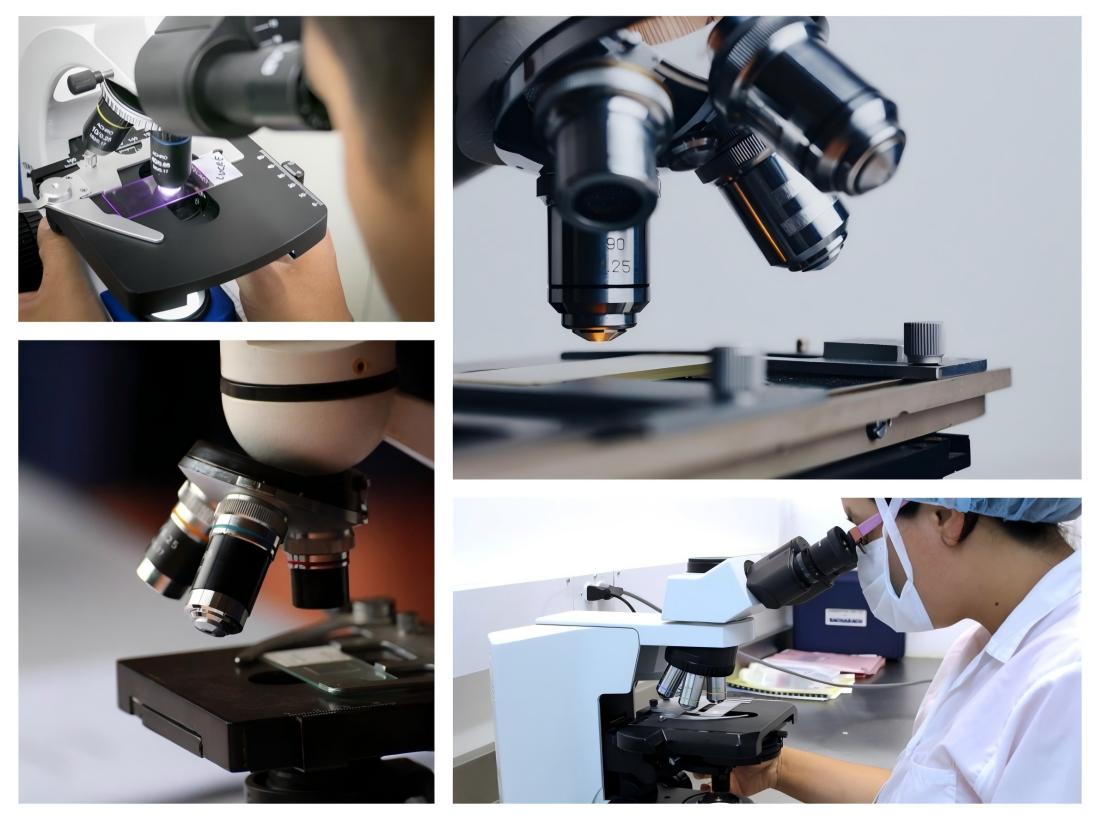
Industrial lenses are frequently used in microscopes
3.Endoscope applications
Industrial lenses are also widely utilized in endoscopic examinations and therapeutic procedures; by navigating through slender catheters into the human body, they capture clear images of areas such as the gastrointestinal tract, respiratory tract, and urinary tract, relaying this visual feedback to physicians in real-time to facilitate diagnosis and surgical intervention.
Furthermore, industrial lenses are employed in dental endoscopy to visualize areas within the oral cavity that are otherwise difficult to observe directly—such as the depths of periodontal pockets or the interiors of root canals—thereby assisting practitioners in providing patients with precise diagnoses and treatments.
4.Ophthalmic imaging applications
In the field of ophthalmology, industrial lenses are frequently utilized in devices such as ophthalmoscopes, corneal microscopes, and retinal laser scanners to observe ocular structures—including the fundus, cornea, and retina—as well as associated pathologies.
For example, equipping fundus cameras with large depth-of-field industrial lenses can be used to capture retinal images and clear fundus photographs, which can help diagnose diseases such as diabetic retinopathy and glaucoma.
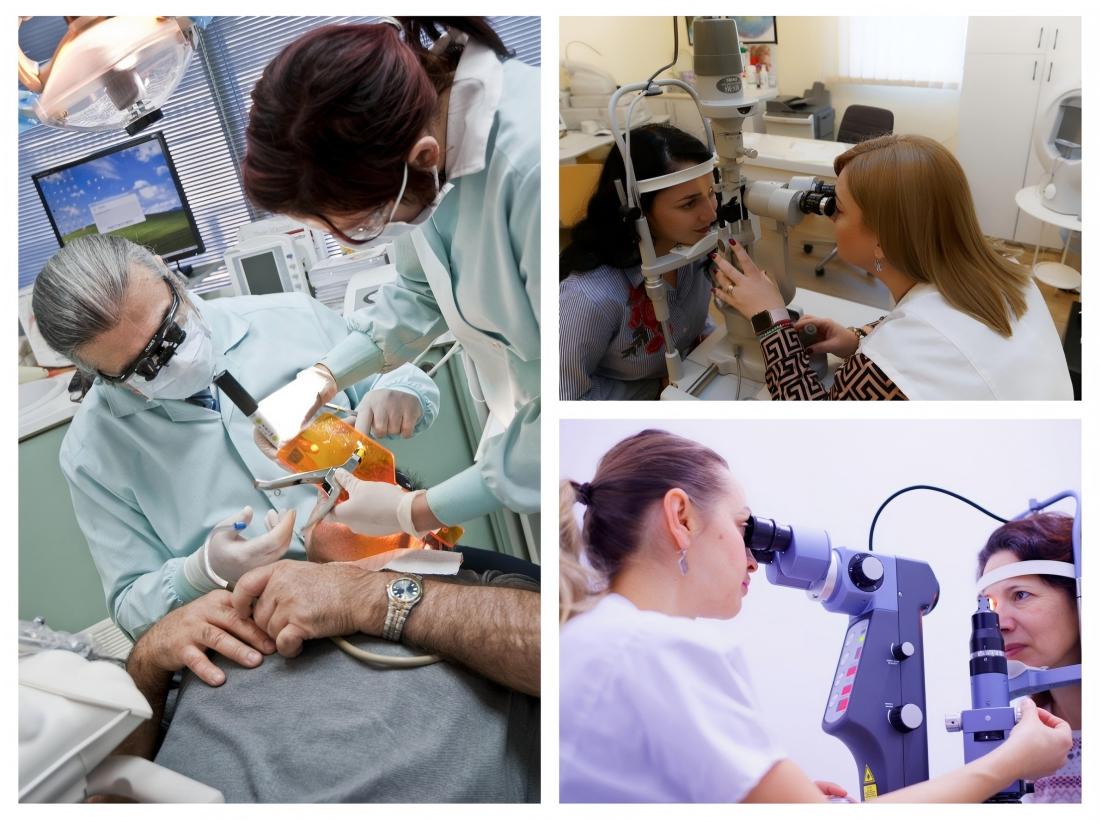
Industrial lenses are also frequently used in dental and ophthalmic applications
5.Radiographic imaging applications
Radiological imaging equipment—including devices such as X-ray, CT, and MRI systems—utilizes industrial lenses to capture images, thereby preserving the maximum possible level of detail. These images are then processed through medical imaging software for statistical analysis, assisting physicians in making accurate diagnoses for patients.
6.Surgical robots and navigation
High-quality industrial lenses serve as the “eyes” and positioning devices of surgical robotic systems; by transmitting high-quality video and images, they provide surgeons with an enlarged, immersive, and high-definition 3D surgical field of view, thereby serving as the foundation for achieving precise surgical maneuvers.
In radiotherapy or neurosurgical procedures, the vision system—utilizing industrial lenses—tracks the patient’s position or surgical instruments to enable real-time navigation. By transmitting live imagery of internal tissues to a display monitor, the system helps physicians clearly visualize the intricate details of the surgical site, minimizes operational errors, and ultimately enhances both the success rate and safety of the surgery.
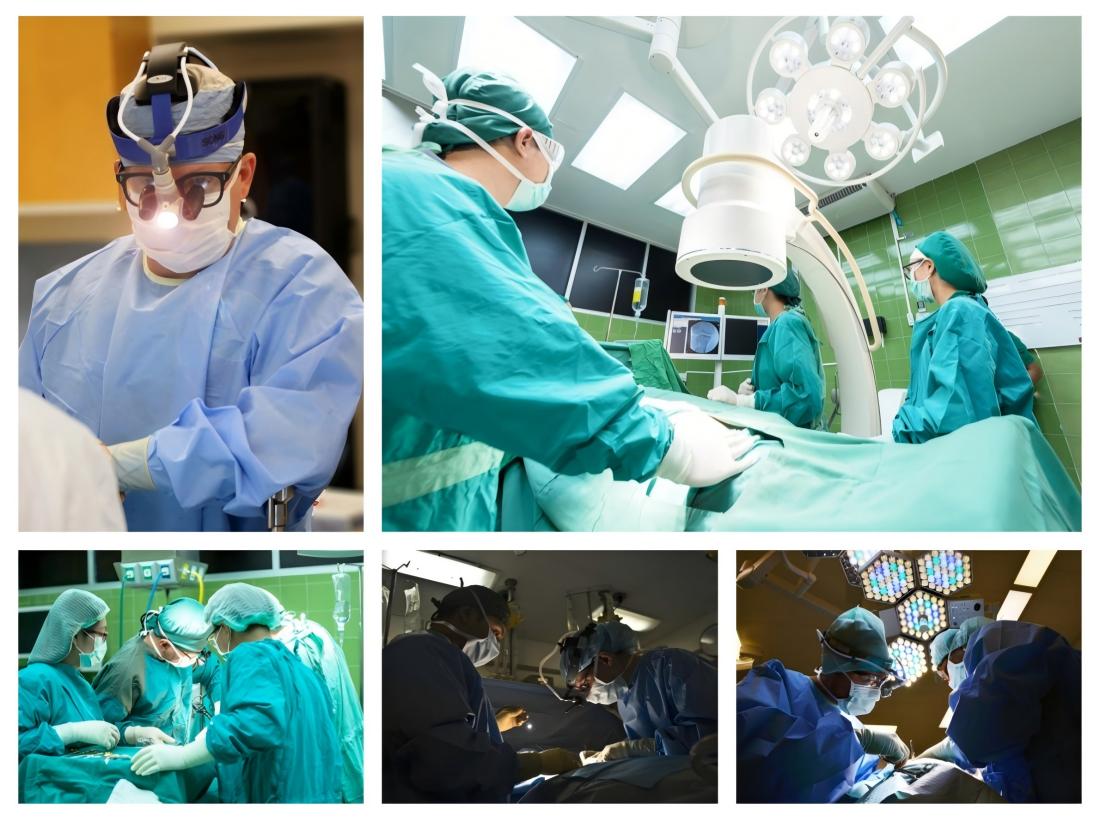
Industrial lenses are a critical component of surgical robotic systems
7.Medical education and remote diagnosis
High-definition images captured using industrial lenses can also be utilized for medical education and training, as well as for real-time remote diagnosis, helping medical experts share knowledge and analyze cases.
In summary, industrial lenses, with their superior optical performance and reliability, have become an indispensable part of modern medical imaging equipment, much like the eyes. Their durability and parameter stability far exceed those of ordinary lenses, ensuring the consistency and reliability of medical imaging results.
Final Thoughts:
ChuangAn has carried out the preliminary design and production of industrial lenses, which are used in all aspects of industrial applications. If you are interested in or have needs for industrial lenses, please contact us as soon as possible.
Post time: Apr-14-2026


