
CCTV lenses are now widely used, but to match a specific scenario, multiple technical parameters and actual application needs need to be considered, such as clearly defining the monitoring target, monitoring distance, and monitoring environment.
In this article, we will take a detailed look at how to select the appropriate CCTV lenses for various specific scenarios.
Selecting a CCTV lens suitable for a specific scenario requires comprehensive consideration of the following factors:
1.Define the requirements of the monitoring scenario
Before selecting a CCTV lens, it is essential—as a foundational step—to first identify the specific surveillance requirements of the intended application scenario. First, it is necessary to clarify the characteristics of the monitoring target and the scene.
For example, confirm whether the target is to observe a large area or small details, whether the monitoring distance is short or long, and whether the monitoring environment is indoors or outdoors, and what the lighting conditions are. Ultimately, the appropriate lens must be selected based on these distinct surveillance requirements.
2.Matching key lens parameters
Focal length, aperture, field of view, and resolution are all key lens parameters that need to be considered:
(1)Focal length. Focal length is a critical factor in determining both the field of view and the monitoring distance. Different focal lengths correspond to distinct monitoring scenarios: the shorter the focal length, the wider the field of view; conversely, the longer the focal length, the greater the viewing distance.
For example, a 2.8mm focal length is suitable for monitoring distances within 10 meters and a field of view of about 100 degrees, making it suitable for monitoring indoor cash registers, elevators, and other areas within a certain range; a focal length of 8mm or more is suitable for monitoring distances of more than 15 meters, making it suitable for long-distance detailed monitoring in large scenes such as warehouses and parking lots.
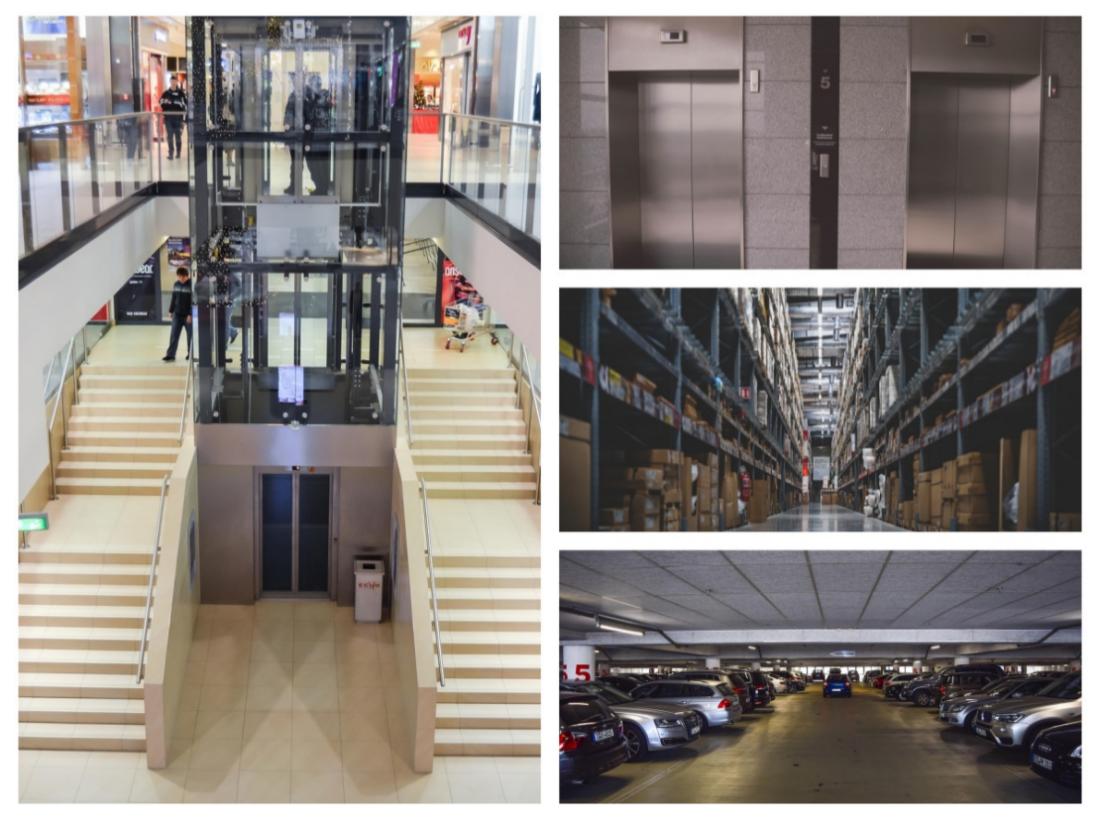
Focal length is an important parameter to consider
(2)Aperture. Aperture determines the amount of light entering the camera, directly affecting the imaging effect at night. A larger aperture allows more light to enter, resulting in clearer images in low-light environments and making it suitable for nighttime surveillance scenarios without supplemental lighting. A smaller aperture is better suited for well-lit environments where overall scene clarity is required—such as on production lines or in warehouses.
In outdoor settings or other environments where ambient lighting fluctuates significantly, it is recommended to select a lens equipped with an auto-iris feature, which can automatically adjust in response to changing light conditions.
(3)Field of View. The field of view is closely related to the focal length, and directly determines the range that the lens can cover. Generally, wide-angle lenses have a field of view greater than 90°, making them suitable for large-scale surveillance in settings such as parking lots and public squares; telephoto lenses have a field of view of less than 30° and are ideal for detailed, long-distance monitoring—for instance, in applications involving license plate recognition and facial recognition.
(4)Resolution. The higher the resolution of the lens, the clearer the image will be. However, the resolution must match the detail requirements of the monitored target. It is not always better to have a higher resolution.
At the same time, the resolution of the lens itself must also match the resolution of the camera. High-definition cameras need to be paired with lenses of corresponding resolution, otherwise image edges will be blurred; high-resolution lenses paired with low-resolution cameras also result in a waste of resolution.
For example, a 2-megapixel lens can meet basic detailed monitoring needs, such as seeing people’s outlines and general behavior, and is suitable for overall monitoring of ordinary corridors and warehouses.
(5)Mount and sensors. Common lens mount include M12, C, and CS mounts. Before installation, it is imperative to ensure that the lens mount matches the camera’s interface; failure to do so may result in an inability to produce a clear image or even lead to equipment damage.
The same principle applies to sensor size: the lens’s image circle must correspond to the camera’s sensor dimensions; otherwise, the image is highly susceptible to vignetting, making it impossible to capture a clear picture.
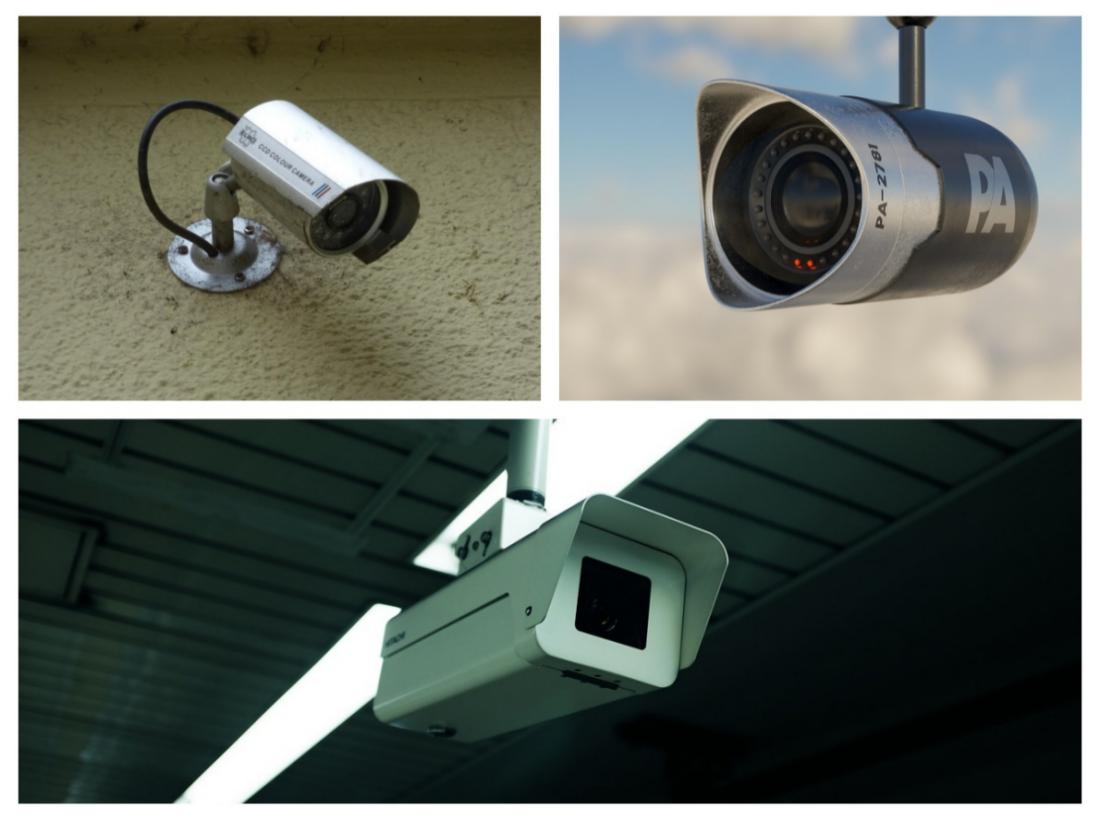
Parameter matching for CCTV lenses is crucial
3.Installation height and angle
The installation height and angle of the lens and camera also affect the monitoring results. Generally, the higher the camera is mounted, the greater its horizontal coverage area. When capturing a downward-looking view from a high vantage point, it is necessary to appropriately increase the focal length to avoid wasting space at the top of the frame.
4.Nighttime surveillance capabilities
If the application scenario requires night-time surveillance, it is also necessary to consider a lens that supports infrared (IR) night vision and features an automatic IR cut filter function, in order to ensure clear imagery for both day and night monitoring.
5.Environmental adaptability and durability
When selecting CCTV lenses, it is also essential to consider environmental adaptability and durability—particularly for lenses intended for outdoor use. Special attention should be paid to whether they possess protective features, such as dust and water resistance, to prevent rainwater intrusion that could lead to lens damage or image failure.
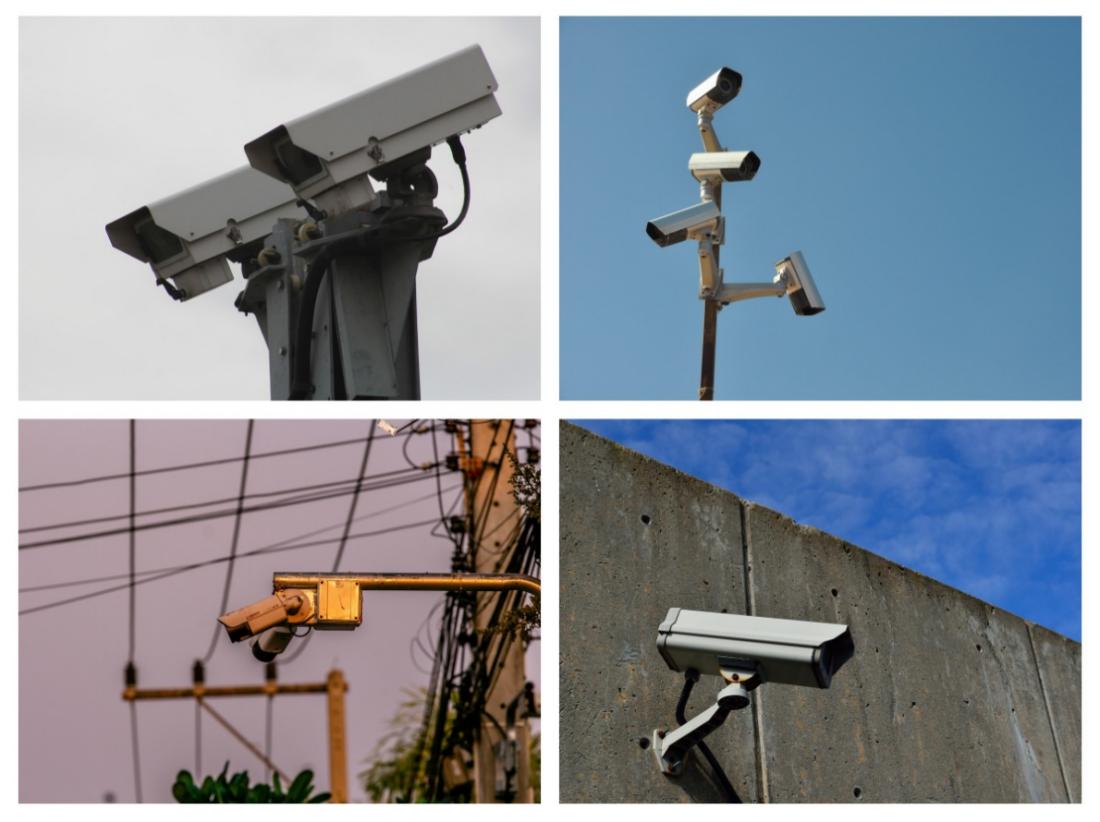
The selection of CCTV lenses must also take into account environmental adaptability and durability
6.Selection schemes for different application scenarios
(1)Home indoor surveillance: Primarily designed to cover entire rooms—such as the living room—the preferred choice is a wide-angle lens with a focal length of approximately 4mm and a field of view of around 70 degrees, eliminating the need for frequent angle adjustments.
(2)Entrances and corridor surveillance: Primarily focused on monitoring narrow passageways, this setup aims to clearly capture the movement of people and objects at medium range. Lenses with focal lengths of 2.8mm or 4mm are recommended to ensure extended longitudinal coverage. An installation height of 2.5 to 3 meters is advised to prevent an excessive downward angle, which could result in facial obstruction.
(3)Parking lot/warehouse perimeter surveillance: The main goal is to clearly see license plates or personnel features. You can choose an 8mm or longer focal length lens to identify license plates and vehicle models at a distance of 15-30 meters and to clearly see faces. When installing outdoors, be sure to pay attention to the lens’s waterproof and dustproof rating.
(4)Store checkout/office surveillance: The space is relatively enclosed, and it is necessary to balance the perspective and details. The main focus is on the overall environment and details. 4mm or 6mm lenses can be selected. If it is necessary to clearly record transaction processes or facial features, a 6mm lens is recommended.
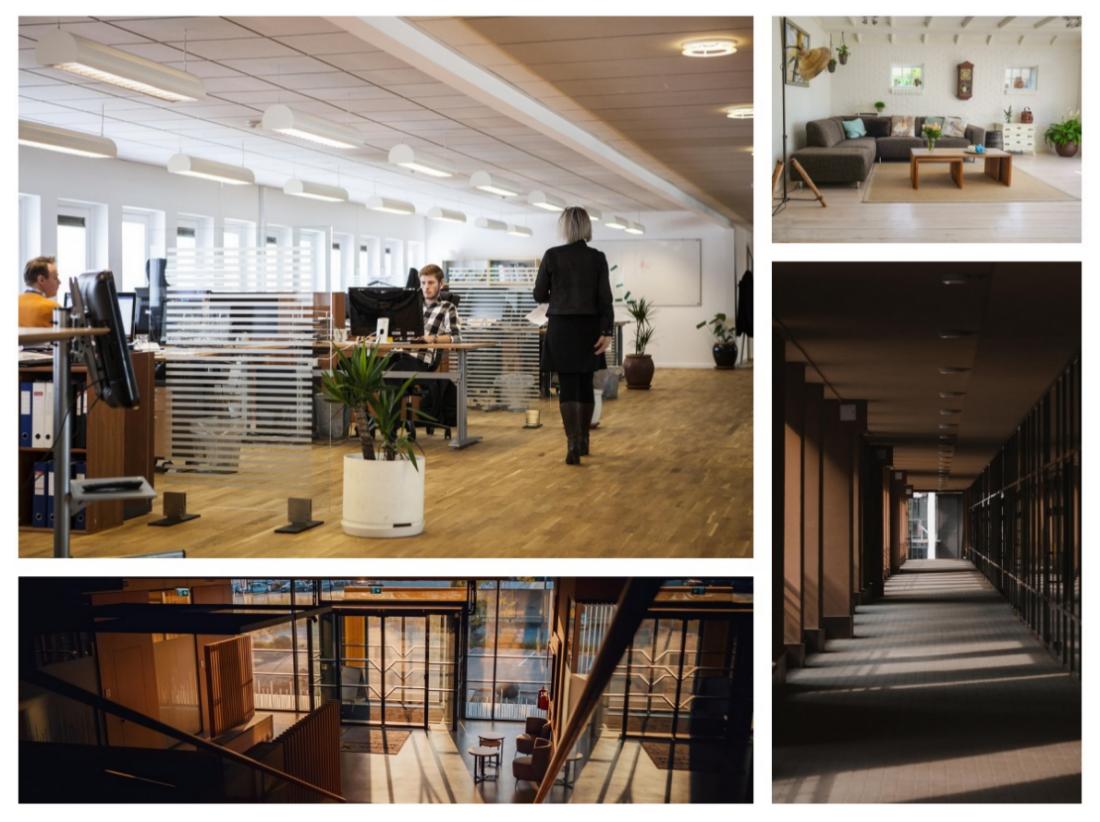
There are different options for different application scenarios
(5)Large open area surveillance: In large areas such as squares, a single lens is not enough to cover all the information. It is usually necessary to deploy a combination of lenses. For example, a 2.8mm lens can be used to view the panorama, while an 8mm lens can be used to view the details of a fixed point. A varifocal lens can be selected to flexibly adjust the focal length.
(6)Traffic intersection surveillance: Intersections such as highways require ultra-long-distance monitoring to clearly see license plates or objects hundreds of meters away. Systems can be equipped with optional lenses featuring focal lengths ranging from 30mm to 120mm; when paired with infrared thermal imaging cameras, they ensure effective surveillance even during nighttime hours or under adverse weather conditions.
In different scenarios, fixed focus or varifocal lenses can be selected according to specific monitoring needs. In general, fixed focus lenses are inexpensive and stable, making them suitable for monitoring targets and scenarios where the distance is fixed; varifocal lenses, on the other hand, have adjustable focal lengths, making them suitable for scenarios where the monitoring distance or target needs to be adjusted flexibly.
Post time: Jun-02-2026


