
Digital scanning of artworks or collections in museums is a highly sophisticated task that requires careful consideration of both the safety of the artifacts and the quality of the data, while adhering to strict professional standards, with artifact preservation being the core principle.
In general, the following key points should be noted when using a scanning lens to scan artworks in a museum:
1.The safety of cultural relics is the bottom line
The first principle to follow when scanning artworks is: cultural relic protection and safety take precedence. Non-contact digitization technologies should be used whenever possible, and scanning equipment should never directly contact the surface of the artifact, especially fragile materials such as ancient books, paintings, and textiles.
Before scanning, inspect the artifact’s appearance; if severe damage or other conditions unfavorable to digitization are found, the operation should be stopped immediately and reported. It is also important to note that no one other than the artifact’s management personnel should touch the artifact or exert any influence on it.
2.Equipment selection is fundamental
The core of a scanning lens is non-contact and low-interference operation. A specialized model must be selected based on the material, size, and craftsmanship of the artwork to avoid scanning failures or damage to the artifact due to mismatched equipment. Therefore, before conducting a formal scan, the equipment parameters must be tested on a non-exhibit surface to ensure that resolution, accuracy, and safety meet standards.
For example, when scanning large artworks (such as murals or large sculptures), a wide-field-of-view scanning lens should be selected; when scanning small, delicate artifacts (such as jade pendants or seals), a focused macro scanning lens should be used to reduce the number of lens movements required.
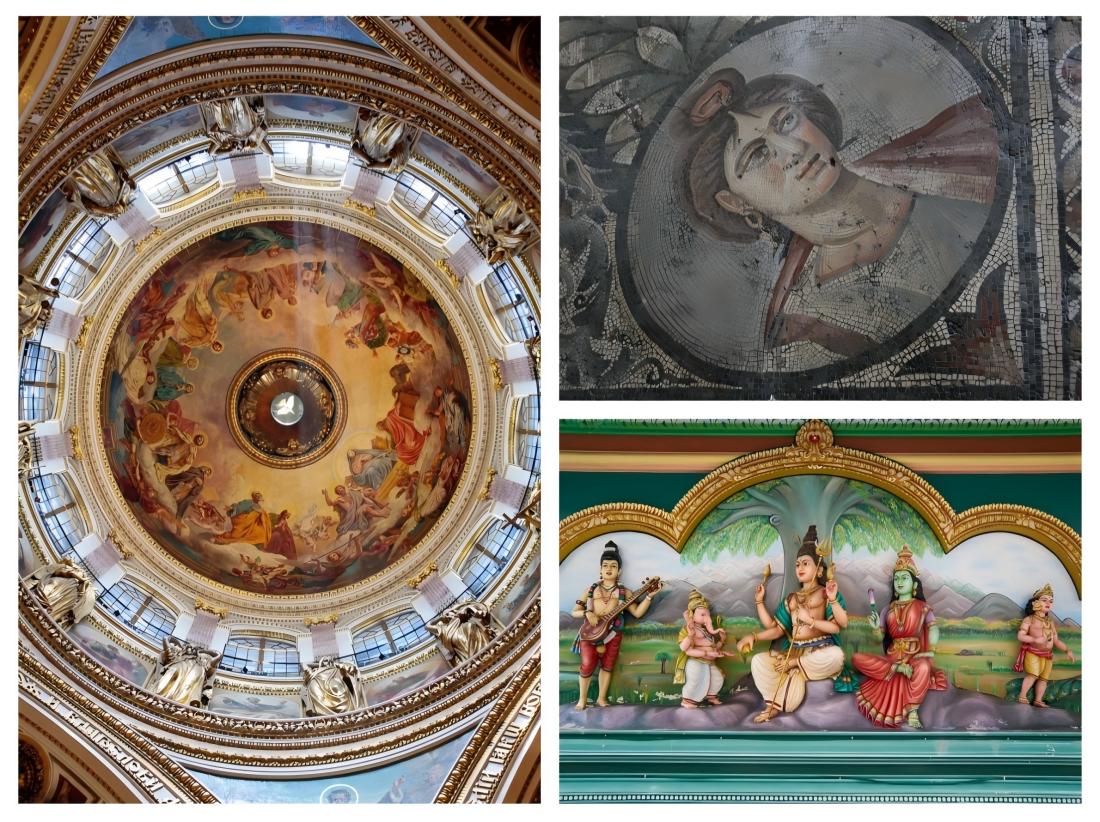
The choice of scanning lens is crucial for scanning cultural relics
3.Precise control is key
Optical emission from the scanning lens, environmental temperature and humidity, and changes in lighting are core hidden risks to artwork damage and require targeted management.
The lighting in the scanning environment needs to be dim and stable, typically achieved in a dark environment or by using a light-blocking cloth, to prevent ambient light from interfering with the scanning equipment’s imaging. A neutral gray background is recommended to avoid unnecessary color reflections that could affect the artifact’s original color.
For example, in areas with direct sunlight or strong light from exhibition hall spotlights, scanning should be prioritized after closing time in a low-light environment. Most museums prohibit the use of flash photography because strong light can cause heat damage to certain pigments or fibers.
For reflective artworks, reflections must be carefully managed during scanning. Highly reflective materials such as bronze, metal, glass, mirrors, and stainless steel can produce strong highlights and shadows, making it difficult for scanning software to recognize surface features.
The scanning area must strictly adhere to the museum’s temperature and humidity control standards, maintaining a temperature of 20±2℃ and a relative humidity of 50±5% (general standards for museum artifact preservation).
For example, it is forbidden to place the equipment’s heat dissipation vents directly onto the artifacts, or to allow the temperature of the scanning area to rise/fall by more than 3℃. When the ambient humidity is above 60%, mold can easily grow, damaging paper, wood, and silk fabrics; when the ambient humidity is below 40%, artifacts are prone to cracking and paint peeling.
In addition, scanning equipment should be kept at a distance from cultural relics such as bronzes, ironware, jade, and paintings that are easily affected by magnetic fields to avoid electromagnetic radiation from the equipment altering the material properties of the relics. Wireless charging and high-power Bluetooth devices should also be strictly prohibited near cultural relics.
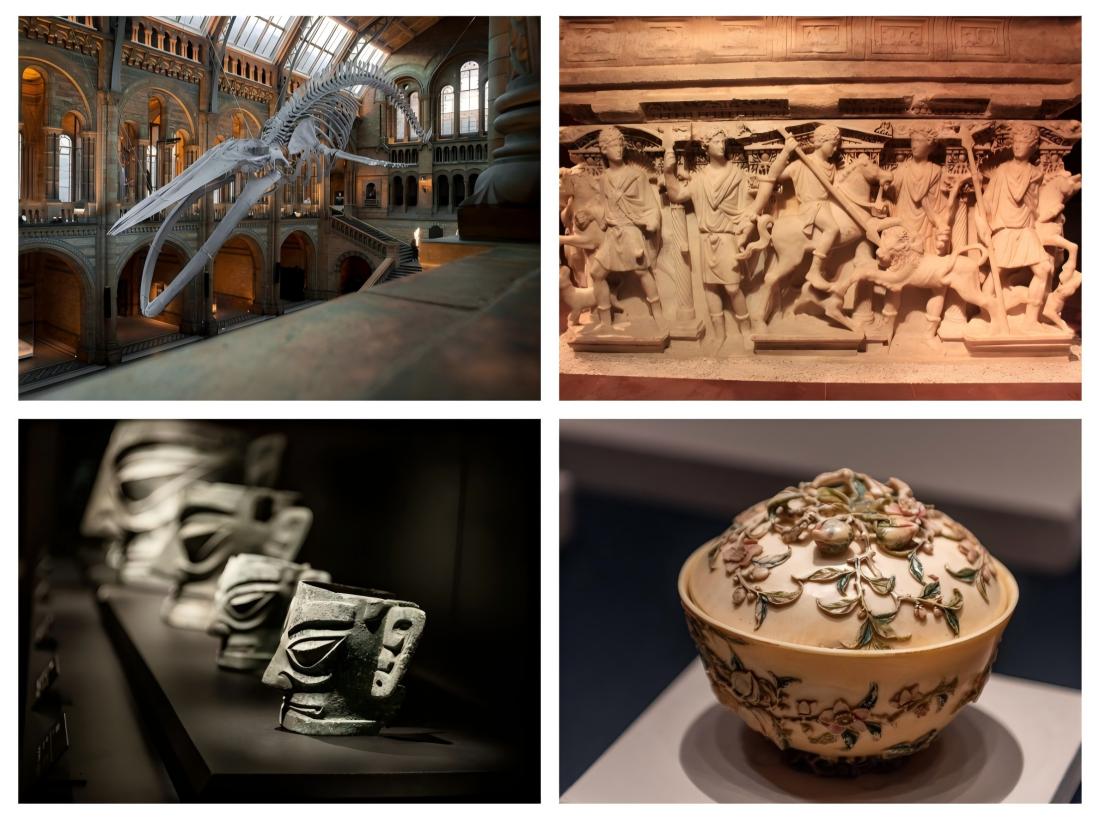
Scanning artifacts with a scanning lens requires precise control
4.Comply with procedures and keep good records
Artworks and other cultural relics in museums are state-owned precious cultural assets. Scanning operations must be reported in advance and the entire process must be documented to prevent unauthorized scanning and data leaks.
For example, a formal application must be submitted to the museum’s cultural relics protection department and collection management department before scanning, explaining the purpose of the scan, the parameters of the scanning equipment, and the operating procedures.
Scanning can only proceed after approval is obtained. Unauthorized scanning of cultural relics is strictly prohibited, especially scanning and copying for commercial purposes.
The entire scanning process needs to be documented. For example, take high-resolution photos of the artifact before scanning for archiving, record the entire scanning process with a camera, and re-examine and photograph the artifact after scanning to ensure it matches its original state before the scan is completed.
5.Standardized operation and post-processing
The equipment should be calibrated before each scan. For complex three-dimensional artifacts, the scanning path needs to be planned to ensure data is acquired from different angles, covering all areas, especially recessed and complex structural parts. For large-format two-dimensional artifacts, if segmented scanning is required, sufficient overlap between adjacent areas must be ensured for seamless stitching later.
Post-processing aims to optimize the original data, such as through color correction and mesh restoration, but must remain faithful to the original appearance of the artifact, avoiding excessive modification that could introduce errors. All processing parameters should be recorded in the metadata.
The original data files must be retained during processing, and data should be properly labeled to prevent loss. All subsequent edits must be performed on a copy to prevent tampering with the original data and ensure that the data accurately reflects the original state of the artifact.
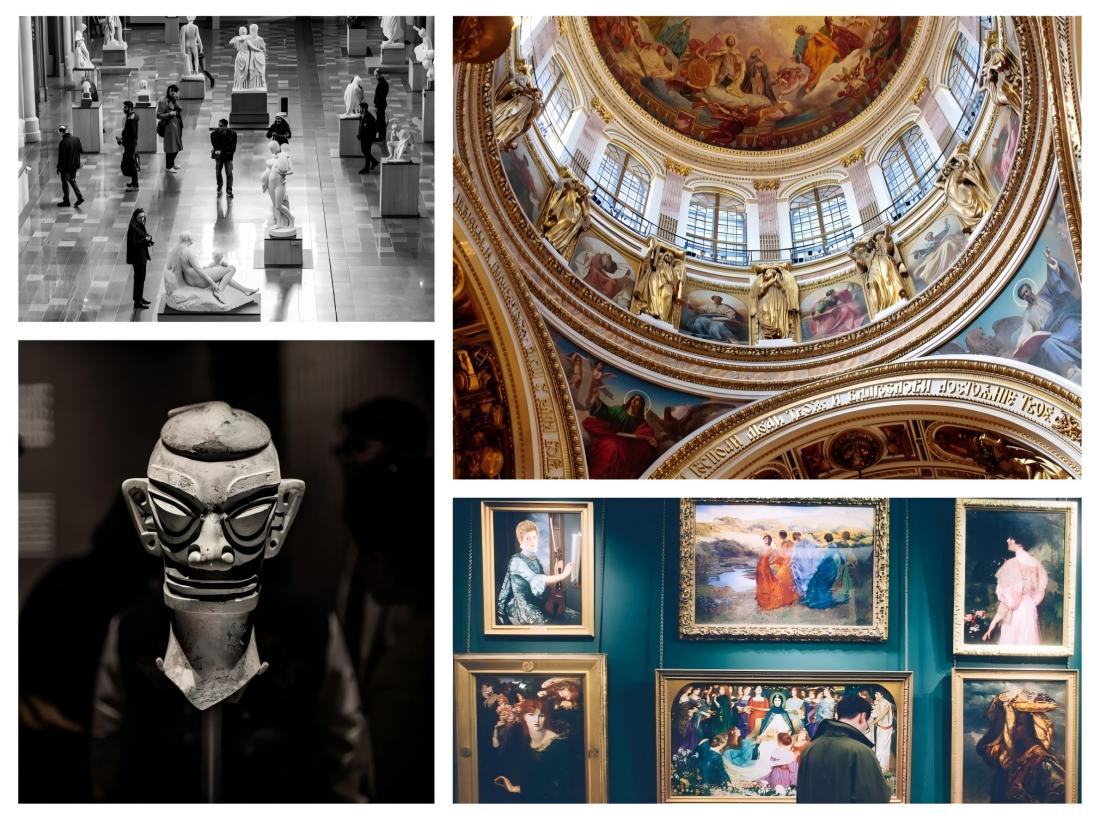
When using a scanning lens to scan cultural relics, it is important to follow proper operating procedures
6.Operator precautions
Digital scanning of museum artworks is a highly meticulous task that demands a high level of expertise from the operators. Scanners must undergo specialized training, understand the characteristics of the artifacts, possess knowledge of art conservation, and be familiar with equipment operation. Ideally, the scans should be performed collaboratively by conservationists and technicians to avoid solo operation. The scanning team should include conservation experts, digitization technicians, and quality control personnel.
By following these precautions, you can ensure that high-quality images are obtained when using scanning lenses to scan artworks in museums, while protecting the artworks from damage.
Post time: Jun-05-2026


