
Varifocal lenses allow for flexible adjustment of focal length, enabling the capture of various types of photos with a single lens. They are indispensable tools in the field of photography, widely used, and highly popular among photographers.
The specific applications of varifocal lenses in photography include, but are not limited to, the following:
1.Landscape photography
Landscape photography focuses primarily on both expansive scenes and intricate details, and the adjustable focal length of a varifocal lens offers immense practical advantages in this regard. Using a varifocal lens for composition allows you to capture the essence of a scene from the same position, such as a distant waterfall or a stream in the forest, highlighting the main subject.
At the same time, the telephoto end can compress space, bringing distant mountains and foreground closer and enhancing the sense of depth in the image. Using the wide angle end for composition is often used to photograph vast mountains, lakes, and seas of clouds, which can include more environmental elements and enhance the sense of space and grandeur in the image.
When shooting landscapes in complex terrains, such as plateaus and canyons, using a varifocal lens can capture both wide angle scenes and close-up details, reducing both the burden of carrying heavy loads and the time cost of changing lenses.
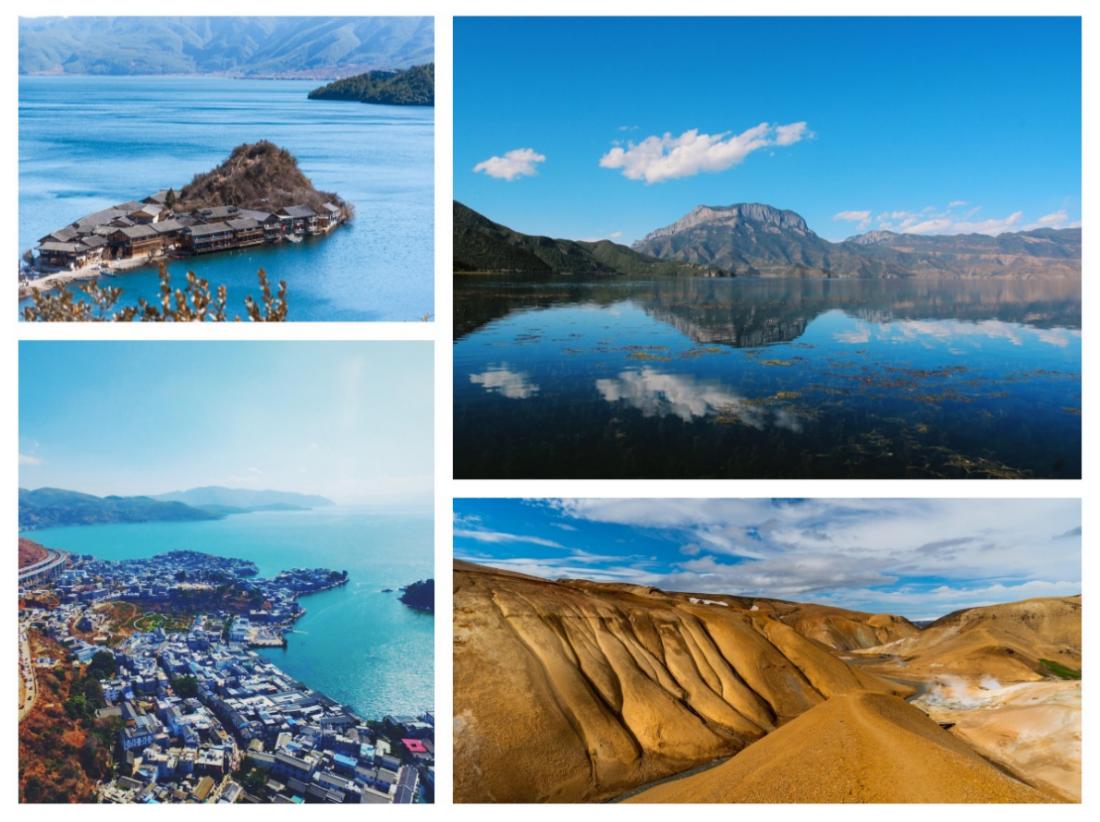
Varifocal lenses are commonly used in landscape photography
2.Portrait photography
Portrait photography demands a high level of framing and background blur. The flexibility of varifocal lenses in terms of focal length can meet diverse creative needs, helping to compress the perspective, highlight the subject, and adapt to both environmental portraits and portrait close-ups.
For example, using a standard focal length (such as 35-50mm) to shoot environmental portraits can take into account both the subject and the background environment, resulting in natural and intimate portrait images; using a telephoto focal length (such as 85-200mm) to shoot shallow depth-of-field portraits utilizes the compression effect of the telephoto lens to make the background simpler and the bokeh effect softer, which is especially suitable for shooting close-ups or half-body portraits in crowded scenes.
3.Travel photography
The “one-lens-for-all” feature of varifocal lenses is also very suitable for travel photography. Using a varifocal lens allows you to adapt to various scene changes (landscape, people, portraits, etc.), reduce the number of lenses you need to carry, and reduce the weight of your luggage. It is especially suitable for hiking, city wandering, and other scenarios.
For example, carrying a varifocal lens with a focal length of 24-105mm or 18-200mm can cover the entire focal length range from wide angle landscapes to medium-telephoto portraits, meeting the diverse needs of shooting landscapes, portraits, and food while traveling.
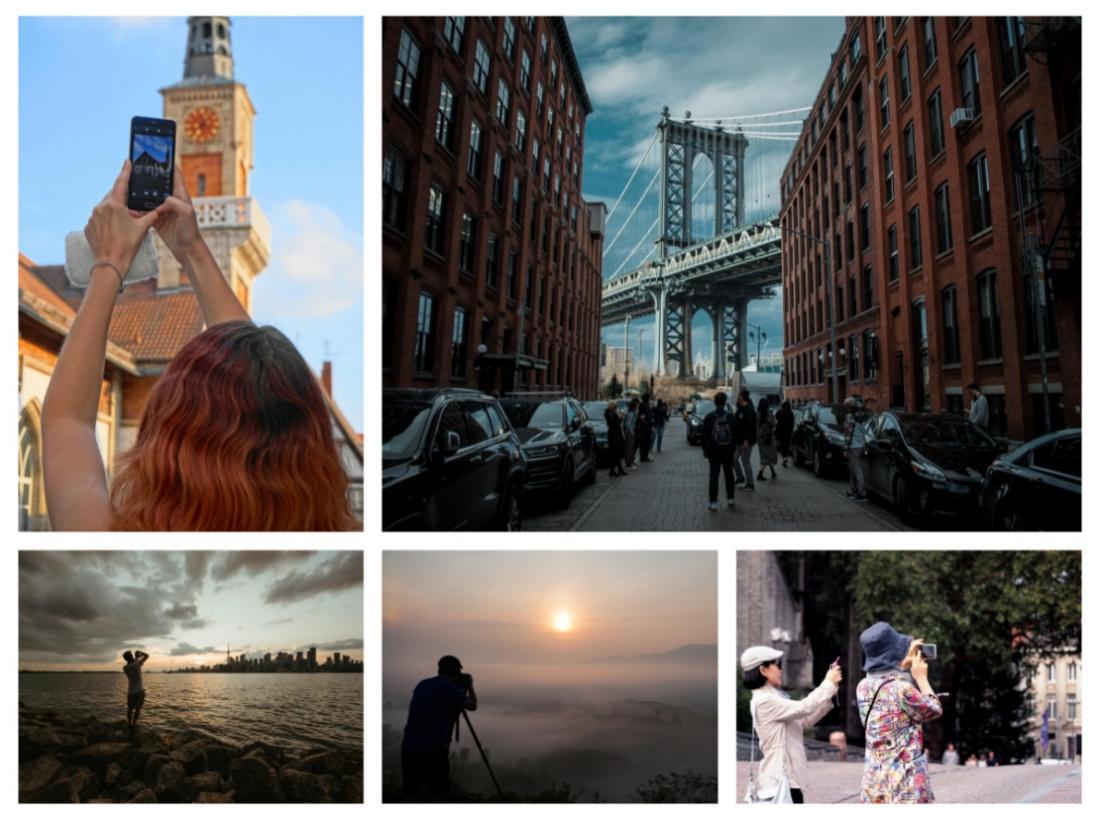
Varifocal lenses are commonly used in travel photography
4.Street/documentary photography
Street photography and documentary photography, such as candid shots on the street and recording folk activities, require capturing real moments discreetly and completing the shot without disturbing the subject. This necessitates a lens that can respond quickly and flexibly, and varifocal lenses can adapt to such complex environmental changes.
For example, using the wide angle end allows you to capture large scenes on the street, record the interaction between people and the environment, and enhance the storytelling of the image; using the medium to long telephoto end allows you to capture more natural moments when you are far away from the subject.
5.Sports/wildlife photography
Varifocal lenses are also frequently utilized in scenarios requiring long-range telephoto shooting—such as sports and wildlife photography—enabling photographers to rapidly capture dynamic moments without disturbing the subject.
For example, a 70-200mm varifocal lens can capture the sprinting moment in track and field events, freezing dynamic images; a 100-400mm varifocal lens combines telephoto coverage with portability, making it suitable for long-term tracking and filming of wild animals in the wild.
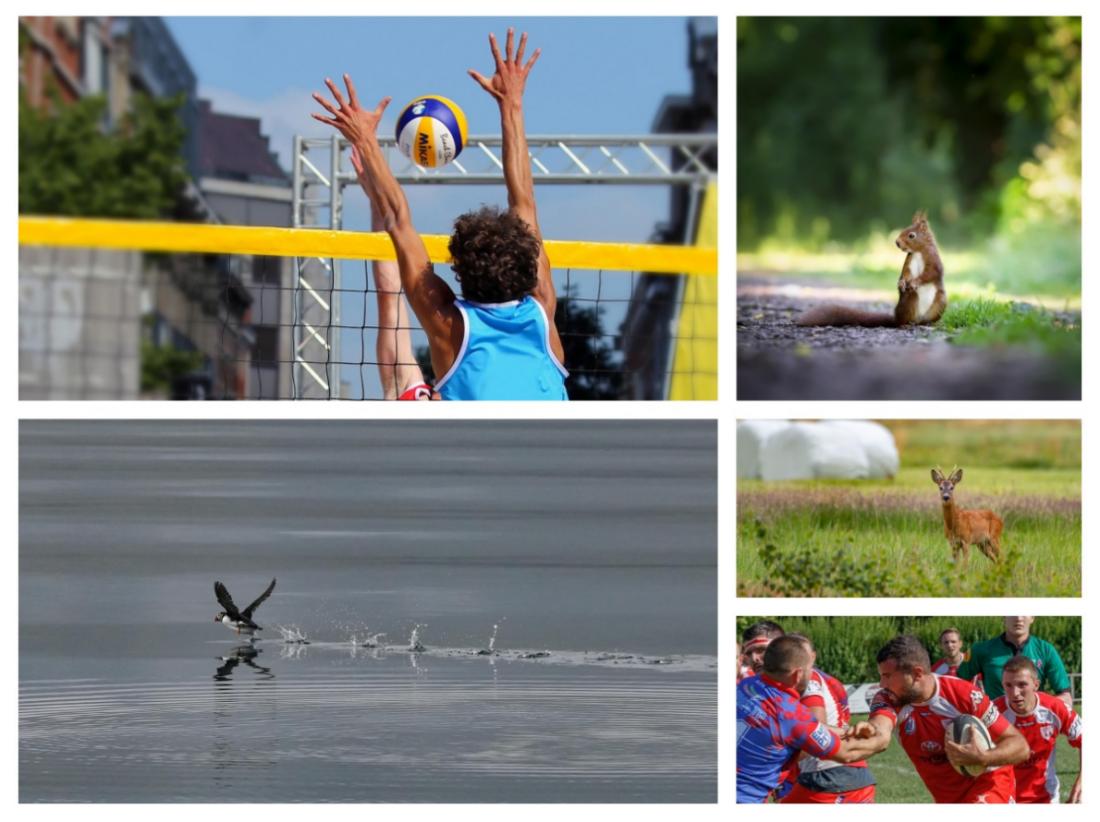
Varifocal lenses are also commonly used in sports photography and wildlife photography
6.Starry sky photography
Varifocal wide angle lenses offer a balance between wide-angle coverage and compositional flexibility, and in recent years, they have also found application in starry sky photography. Using the 16-35mm wide angle lens allows you to capture a panoramic view of the Milky Way, while leveraging the zoom advantage to adjust the composition—capturing more of the Milky Way or highlighting the core area.
The use of a varifocal lens eliminates the inconvenience of having to physically reposition the camera, making it particularly well-suited for shooting in outdoor environments with restricted terrain, such as mountain peaks, deserts, and canyons.
In addition, varifocal lenses also have professional applications in special scenarios such as macro photography, film and video shooting, and industrial inspection.
In summary, varifocal lenses enjoy widespread application in the field of photography—thanks to their ability to flexibly adjust focal length—and demonstrate exceptional performance in scenarios requiring rapid adaptation to changing scenes or the simplification of equipment portability. Photographers can adjust the focal length and camera position appropriately according to the specific application scenario.
Final Thoughts:
If you are interested in purchasing various types of lenses for surveillance, scanning, drones, smart home, or any other use, we have what you need. Contact us today to learn more about our lenses and other accessories.
Post time: May-22-2026


