
In industrial imaging applications, distortion is the greatest adversary to image recognition and dimensional measurement. Through precision optical design, low distortion lenses minimize geometric image distortion—thereby ensuring measurement accuracy and inspection reliability—and have consequently become a core component in the field of industrial scanning.
Low distortion lenses can accurately reproduce the geometry of the object being measured, making them indispensable in industrial scenarios that require high-precision dimensional measurement and barcode scanning. The following are its main industrial scanning application scenarios:
1.Precision dimensional measurement
Precision dimensional measurement of industrial parts such as electronic components and mechanical parts is the core industrial application of low distortion lenses. These precision manufacturing scenarios usually require high-precision inspection at the sub-millimeter or even micrometer level. Distortion can easily cause dimensional measurement errors, while the high fidelity of low distortion lenses can ensure that the measurement results are true and reliable.
2.Barcode scanning and recognition
The accuracy of a machine vision system depends directly on the distortion control of its lens. As barcodes and QR codes serve as critical identifiers for product traceability, the use of low distortion lenses during rapid scanning on automated assembly lines prevents the stretching and deformation of barcode characters, thereby ensuring fast and accurate recognition by scanning equipment.
This is particularly beneficial in scenarios involving the batch scanning of high-density micro-barcodes or full-carton barcodes across a wide field of view; in such cases, low-distortion lenses effectively reduce recognition error rates, ensuring the reliability of logistics sorting and product traceability systems.
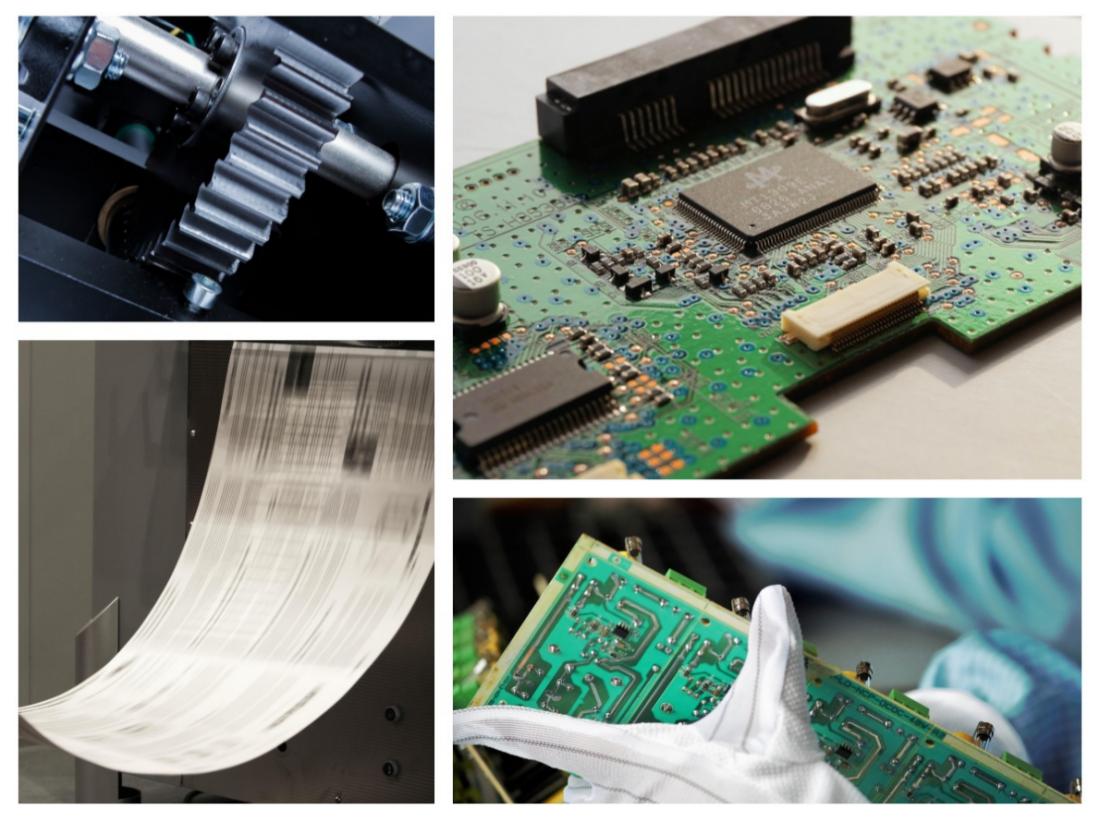
Low distortion lenses are often used for precision dimensional measurement
3.Surface defect detection
The high-precision imaging capability of low distortion lenses facilitates the detection of minute flaws; they are frequently employed to inspect product surfaces for defects such as scratches, cracks, voids, bubbles, and character anomalies. Their low-distortion characteristics prevent the distortion of defect morphology, thereby avoiding missed detections or misjudgments.
For example, in the production and inspection of LCD panels, photovoltaic glass, and automotive glass, low distortion lenses can clearly capture defects such as scratches, bubbles, and foreign objects on the glass surface, while ensuring the geometric accuracy of the glass edge contour.
4.High-precision positioning and identification
Image distortion causes the positional coordinates of feature points within an image to shift, thereby directly impacting the precision of a robot’s grasping, placement, or assembly operations.
As a visual guidance component within automated production lines, low distortion lenses provide accurate image data, enabling robots to precisely identify and locate workpieces. This guidance facilitates the execution of tasks—such as assembly and grasping—thereby realizing automated control and enhancing production efficiency.
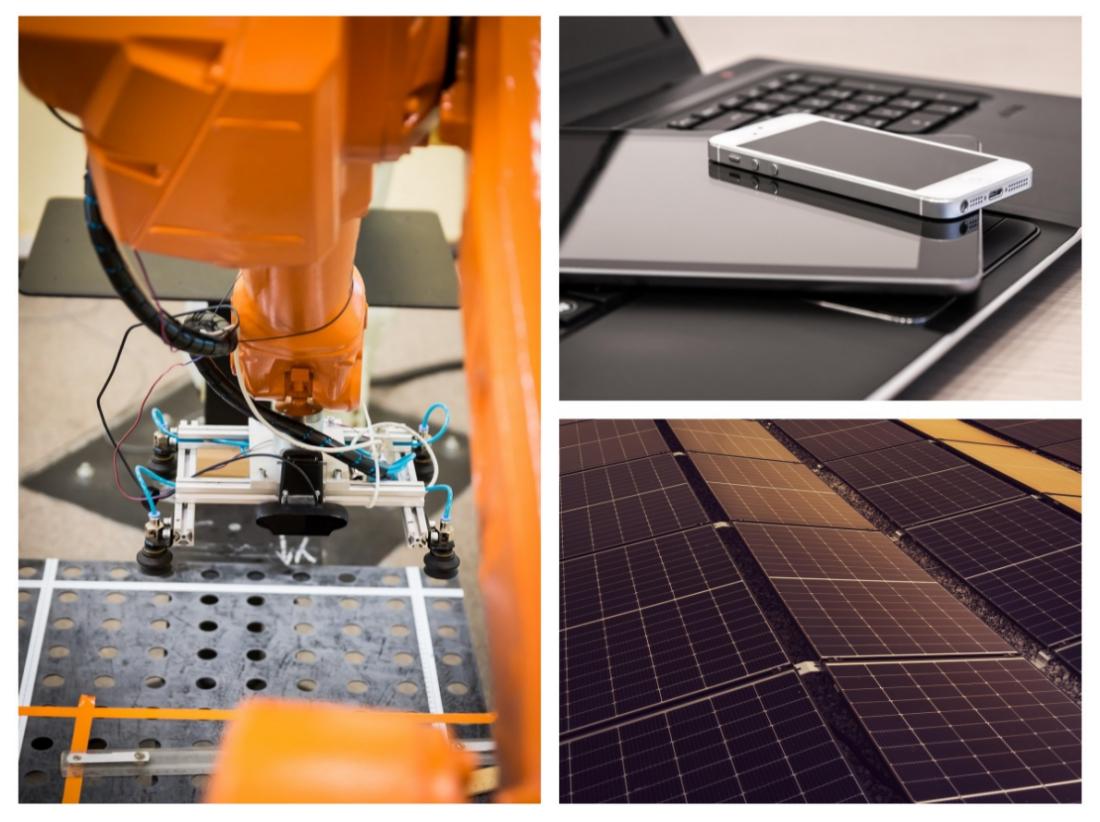
Low distortion lenses are used in high-precision positioning and identification
5.Digitization of printed materials and documents via scanning
Low distortion lenses are also frequently employed in scenarios involving the digital scanning of printed materials, documents, and technical drawings.
For example, in the positioning of patterns in textile fabrics and the quality inspection of barcodes in printed materials, low distortion lenses can accurately restore the proportion and position of patterns, ensuring that the size of printed barcodes meets the standards; in scenarios such as industrial file management and digitization of engineering drawings, low distortion lenses can accurately restore the line proportions and text details of drawings, avoiding problems such as stretching and deformation, ensuring that the scanned electronic documents are consistent with the original drawings, and meeting the needs of subsequent CAD secondary editing, archiving and retrieval.
6.Logistics sorting and parcel measurement
The scanning applications of low distortion lenses in the logistics industry should not be underestimated. In intelligent logistics sorting centers, low distortion lenses, in conjunction with 3D vision sensors or 2D cameras, can quickly scan the contours and measure the volume of packages on conveyor belts, accurately obtaining data such as the length, width, and height of the packages for automated sorting path planning, freight calculation, and warehouse space optimization.
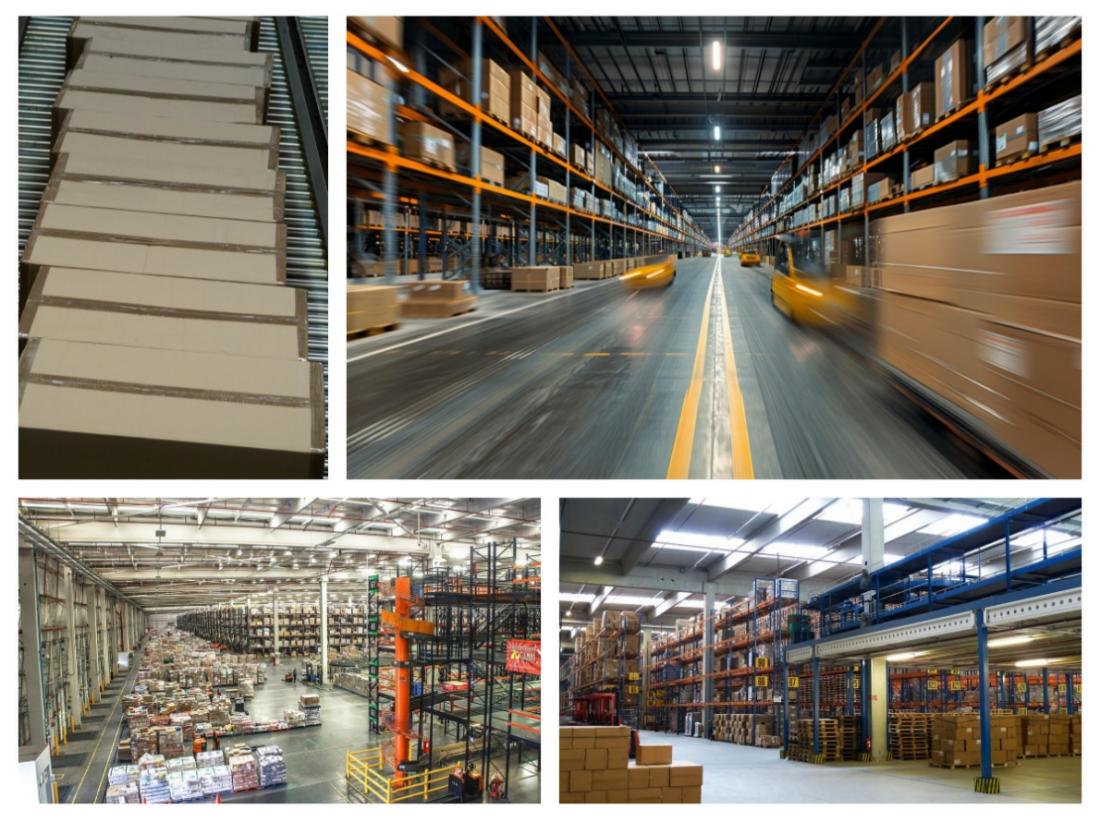
Low distortion lenses are also frequently used in the logistics industry
In addition, scanning and inspecting the packaging labels, seal integrity, and packaging appearance quality of special industries such as food and pharmaceuticals to ensure accurate and compliant information is also one of the industrial scanning applications of low distortion lenses.
It is evident that low distortion lenses, with their advantages of low distortion, high image fidelity, and precise measurement, have become a key component of machine vision systems and are widely used in automated inspection and quality control in industries such as electronics manufacturing, automotive, logistics, and product packaging.
Post time: May-27-2026


