
Lens icing is a common and serious problem when shooting in low-temperature environments. If not handled properly, it can easily cause permanent damage to the lens. When dealing with lenses with icy surfaces, certain principles must be followed, and brute force or incorrect methods should be avoided.
1.Incorrect operations that must be absolutely prohibited
When ice forms on the lens surface, the following incorrect operating procedures must be strictly prohibited:
Blow on the lens surface with your mouth. While exhaling warm air might melt the ice, the melted water will immediately seep into the edges of the lens or between the lens elements, and the exhaled moisture will accelerate further ice formation. Saliva can also contaminate the lens coating and potentially lead to mold growth or electrical malfunctions inside the lens.
Wipe the lens surface directly with a cloth or anything else. The ice crystals on the lens surface are very hard, and wiping them directly is like using sandpaper to polish the delicate coating of the lens, which will cause irreversible scratches.
Touch the icy surface directly with your hands. The oils and moisture from your hands will adhere to the lens, making it difficult to clean after the ice melts, and could also lead to frostbite.
Wash or bake directly with hot water or hot air. Lens elements (mostly made of optical glass) and metal lens barrels have different coefficients of thermal expansion. Rapid temperature changes can cause inconsistent expansion and contraction between the lens glass and metal components, potentially leading to lens element detachment, cracking, or even damage to internal electronic components, resulting in permanent damage.
The lens was forcibly removed. Forcibly removing the lens can complicate the problem, lead to lens malfunction, and void the warranty.
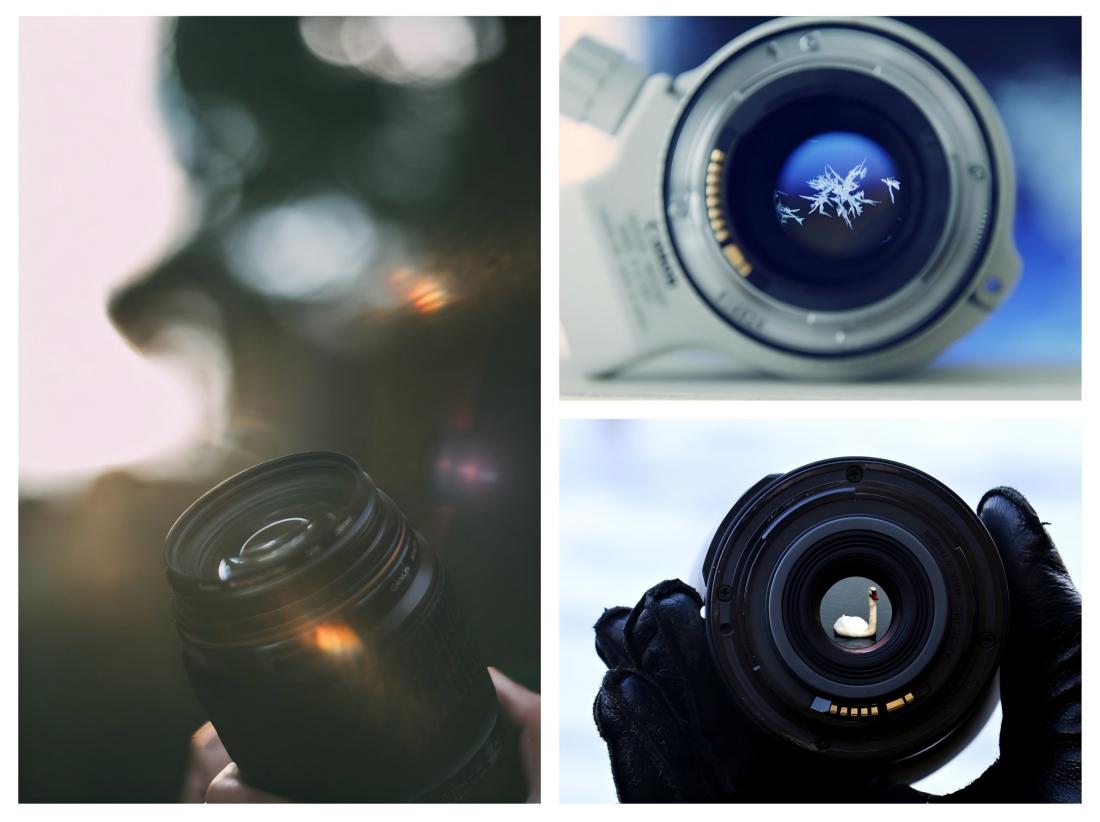
Procedures to avoid when the lens surface is covered in ice
2.Safety procedures when lens icing occurs
(1)Stop using the device immediately if ice formation is detected
If you discover that the lens has frozen, you should immediately stop using it and turn off the camera. At low temperatures, ice crystals can scratch the lens coating during mechanical movement, or cause internal parts of the lens barrel to jam or deform.
(2)Transfer to a slightly warmer environment for natural warming
Do not bring a frozen lens directly from an extremely cold environment into a warm room, otherwise a large amount of condensation will quickly form on the lens surface, and moisture may seep into the lens. After using the lens, you can first put on the lens cap and place the camera in a camera bag to reduce contact with the cold outside air. Then, place the lens in a semi-warm environment, such as an indoor environment without drafts (doorway, corridor, car interior, etc.), allowing the lens temperature to slowly return to room temperature. This process may take several hours.
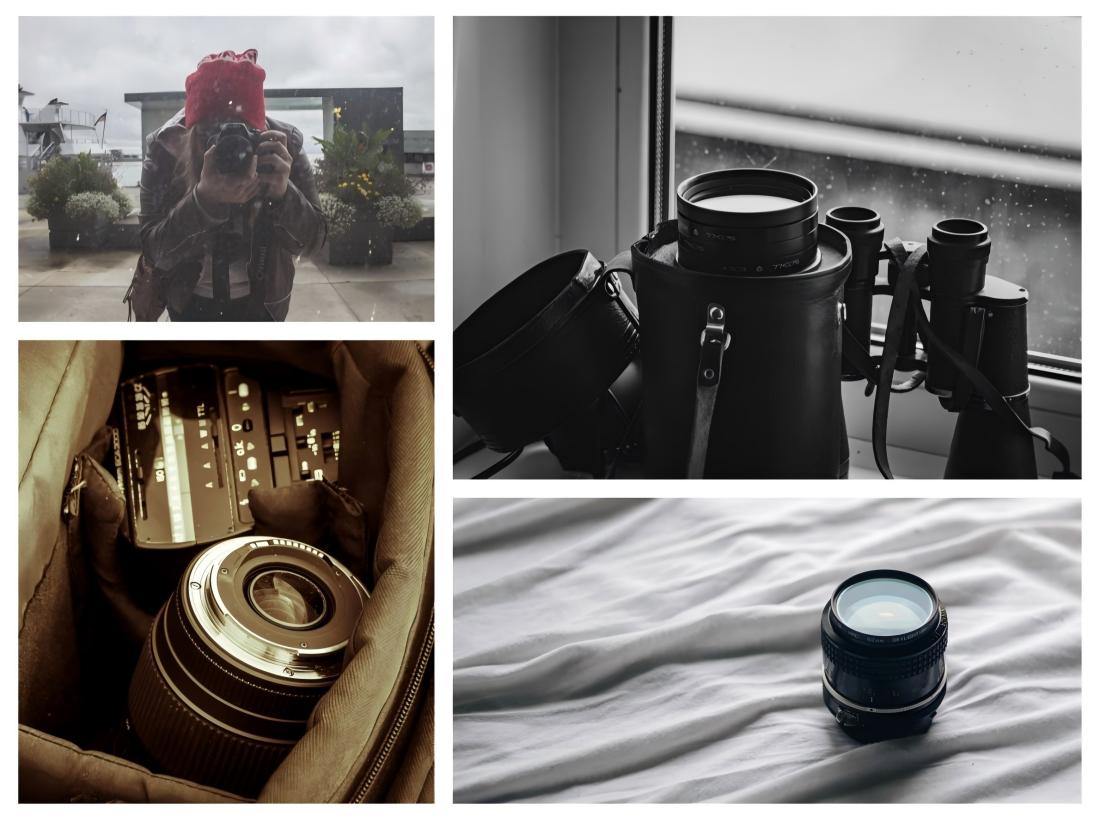
Safety procedures for handling a camera lens when it freezes
(3)Inspect and handle the lens as needed
Once the lens temperature is close to room temperature (with no visible ice crystals or bumps on the surface), you can begin addressing the icing problem.
If the ice layer is thin, gently cover the frozen surface with a clean, dedicated lens cloth and wait for the ice to melt naturally. Once the ice has melted into water, gently blot the water from the center outwards with the lens cloth, repeating 2-3 times until there is no residual moisture on the surface. Note that when blotting the water, do not rub the cloth back and forth to avoid spreading the moisture into the crevices around the edges of the lens.
If the ice layer is thick, you can try using a gentle heat source to melt it, such as the low heat setting of a hairdryer, keeping a certain distance and continuously moving the hairdryer. Be careful to avoid concentrated high heat exposure to prevent thermal damage to the lens or plastic parts. Once the thick ice is removed, treat the remaining thin ice using the same method.
If the lens or device has a built-in heating function, you can activate the dedicated heating function. When heating, pay attention to the power consumption and safety of the device.
If fog appears inside the lens after thawing, causing blurred vision, it means that moisture has seeped into the lens and the inside of the lens needs to be dried: remove the lens from the camera, open the rear and front lens caps, put it into a sealed container with desiccant (such as silica gel desiccant or a moisture-proof box), and let it stand for 24-48 hours until the fog inside completely dissipates. Note that you should not dry the lens in direct sunlight, as high temperatures will accelerate the aging of the lens sealant and affect image quality.
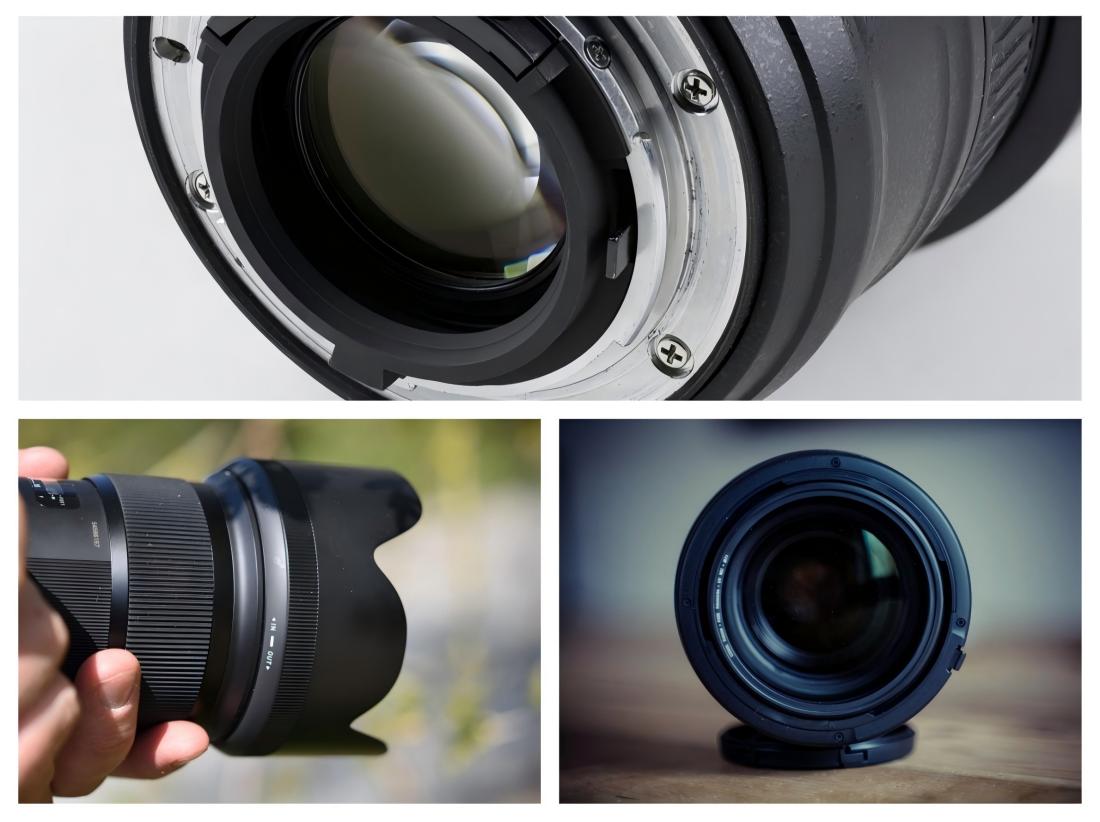
Precautions for handling lens icing
3.How to prevent lens icing?
Taking preventative measures in advance to avoid lens freezing is the best strategy. First, it is important to develop good usage and storage habits. Sealing, heat preservation, preheating, and anti-fogging sprays are the most effective ways to prevent icing. Whenever you are moving a lens from a cold to a hot environment, always use a sealing method, sealing the camera and lens in a plastic bag.
Before shooting, bring the lens outdoors 1-2 hours in advance to allow its temperature to equalize with the ambient temperature, reducing the condensation of moisture in the air onto the lens surface and preventing ice formation during shooting.
If you find that the lens fogs up frequently during shooting, you can use an anti-fog lens cloth or attach a UV filter to the front of the lens (to protect the main lens element; if it freezes, only the UV filter needs to be treated). When shooting for extended periods in extremely cold environments, try to avoid exposing the lens directly to wind and snow.
After shooting, immediately place the lens in a sealed bag containing 1-2 packets of desiccant, and then bring it indoors to prevent condensation and freezing caused by temperature differences.
In addition, it is important to maintain battery power. Camera batteries drain very quickly in low temperatures, so spare batteries should be kept close to your body to keep them warm with body heat.
Final Thoughts:
If you are interested in purchasing various types of lenses for surveillance, scanning, drones, smart home, or any other use, we have what you need. Contact us today to learn more about our lenses and other accessories.
Post time: Mar-20-2026


