
ToF lenses calculate distance by measuring the time difference between the emission of infrared light and its reflection, enabling precise perception of an object’s depth and spatial information; smartphone applications of this technology primarily center on this core capability.
In smartphones, ToF lenses primarily have the following specific application scenarios:
1.Enhance the photography experience (portrait photography)
ToF lenses are primarily used to capture depth information, calculating the distance between the subject and the smartphone by measuring the round-trip time of infrared light.
When integrated into a smartphone’s rear camera module, the ToF lens accurately gauges the distance between the subject and the background, allowing for precise subject-background separation; this results in more natural and accurate background blurring, with finer detail in the cutout of the subject—such as individual strands of hair and limb contours.
Additionally, ToF lenses support features like real-time background blurring during video recording and 3D object capture, helping you achieve professional-quality video results.
2.Fast autofocus, suitable for night shooting
ToF lenses are unaffected by ambient light, enabling rapid autofocus in low-light conditions and increasing the success rate of night shots and indoor candid photography. They also support post-capture refocusing and the creation of dynamic photos and video effects with a sense of 3D depth.
Additionally, when shooting close-ups of flowers or accessories, the ToF lens assists with precise distance measurement and focusing, enhancing macro clarity.
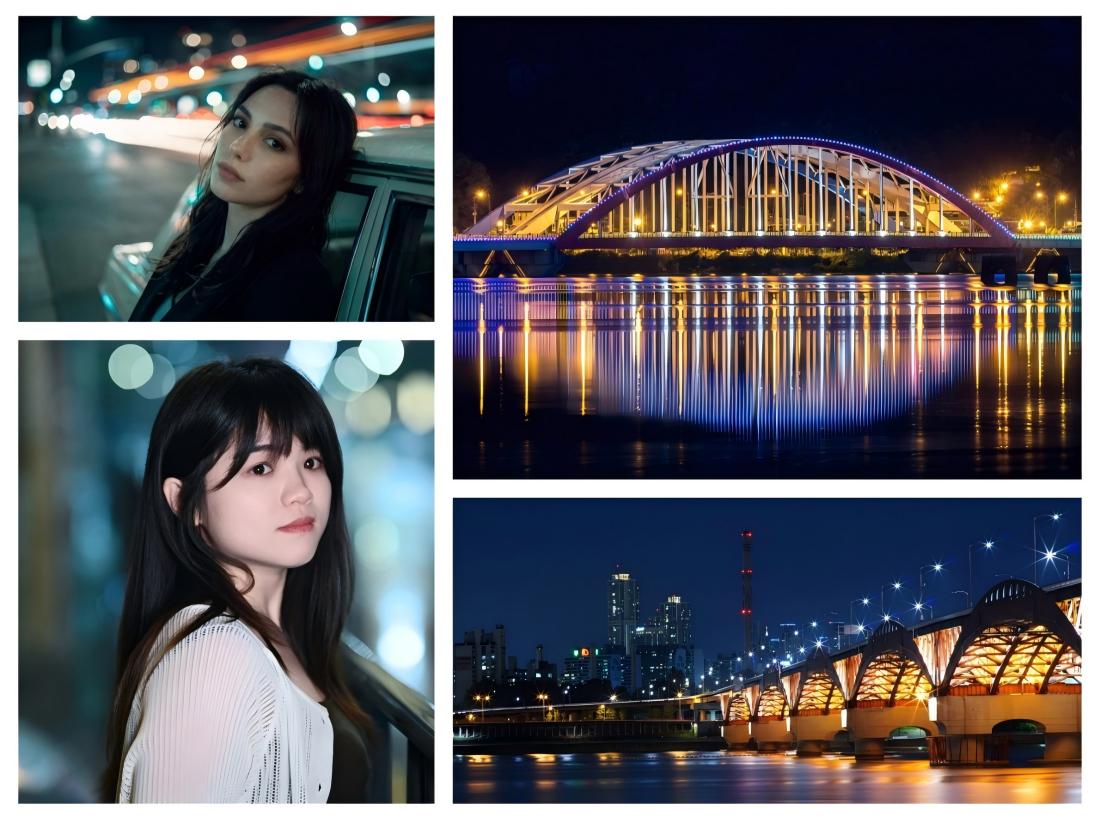
ToF lenses enable fast autofocus and are suitable for night photography
3.Security and unlocking applications
By constructing a 3D model of the face, ToF lens technology achieves financial-grade security, effectively thwarting spoofing attempts using 2D media such as photos, videos, or masks. It enables features like 3D facial recognition and payment authentication, offering robust security for mobile payments. Thanks to its ability to precisely capture 3D facial contours, the ToF lens allows for rapid unlocking even in dark environments.
4.Immersive AR interaction
ToF lenses have strong spatial perception capabilities and can quickly scan the three-dimensional structure of the environment, making them a core hardware component for AR applications. They enable experiences such as virtual furniture placement, virtual clothing and outfit trials, and height measurement, while also facilitating realistic interaction between AR game characters and the real-world ground, thereby delivering a more immersive user experience.
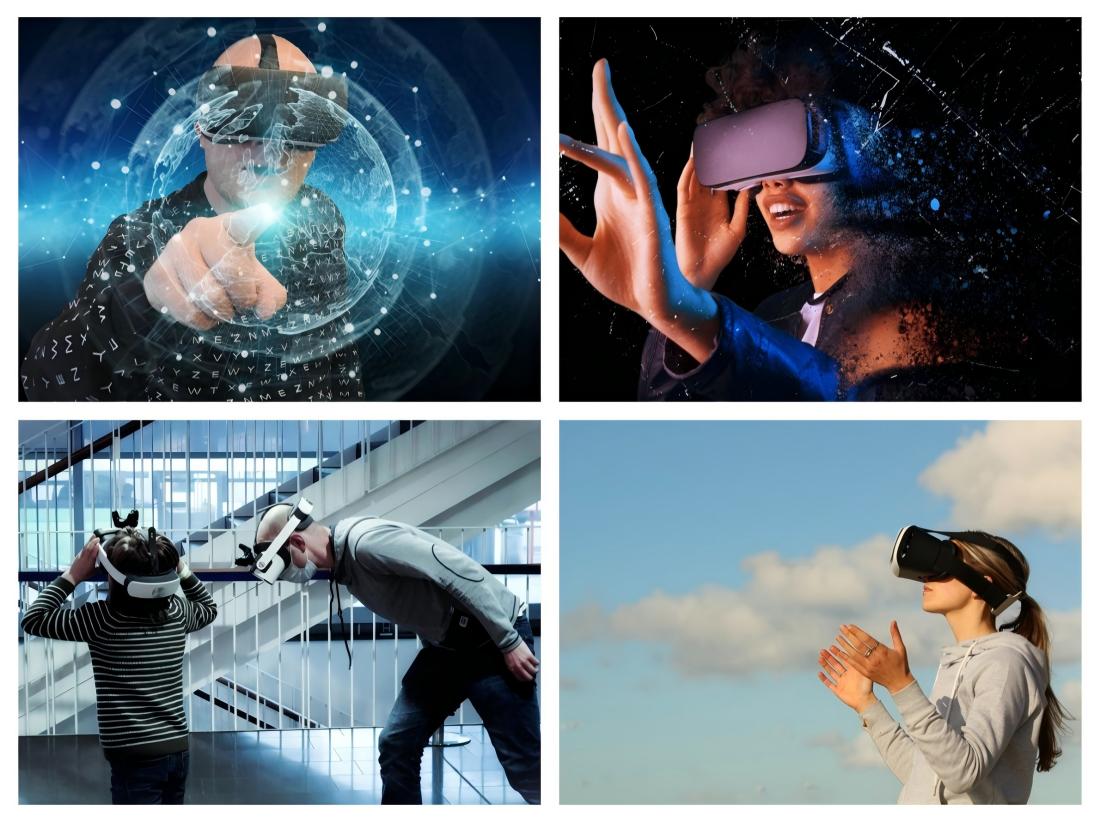
ToF lenses are core hardware for AR applications
5.Gesture recognition and air gesture control
With the help of ToF lenses to capture three-dimensional spatial motion, mobile phones can achieve contactless air operation, which is suitable for scenarios where it is inconvenient to operate the touch screen, such as cooking or wearing gloves. For example, users can use gestures such as waving or swiping to control page turning, answering calls, or operating in games without directly touching the screen.
In addition, ToF lenses can also be used for omnidirectional infrared remote control. By utilizing the infrared light emitted by the ToF sensor, it enables 360-degree remote control of home appliances without any blind spots, eliminating the need to point the phone directly at the device.
6.3D scanning and measurement
ToF lenses also have 3D scanning and 3D modeling functions, which can scan small objects to generate 3D models for 3D printing or design. They are often used to create simple 3D space models and rough floor plan scans for decoration and home previews.
In short, ToF lenses have become a key technology behind many core functions in smartphones. As the technology evolves, these modules will increasingly integrate with AI algorithms, making smartphone interactions smarter and more diverse.
Post time: Sep-08-2026


