
Surround-view lenses offer convenience for vehicle driving and are quite practical in parking and low-speed driving scenarios, but they are not omnipotent and have some noteworthy drawbacks in in-vehicle applications.
1.Image quality and visual distortion
The primary function of many in-vehicle surround-view systems is driver assistance; consequently, their camera sensors and resolutions are lower than those of dedicated dashcams. In low-light conditions, image quality suffers significantly—manifesting as blurriness or increased noise—making it difficult to discern details and prone to causing visual misjudgments.
Furthermore, these systems typically employ fisheye lenses, which exhibit pronounced barrel distortion at the edges; this causes the appearance of objects to vary across different viewing angles, potentially leading to errors in distance estimation.
2.There are significant blind spots in the field of view
Surround-view systems generate a panoramic view by stitching together images captured by multiple cameras; however, blind spots often occur at the vehicle’s four corners—particularly at the front and rear extremities—where image distortion or complete invisibility can lead to scrapes or collisions during parking or navigation through narrow passages.
Surround view lenses are usually installed at a high position. For some obstacles that are low or small, such as stone blocks, children, pets and other low-lying objects, the surround view system may not be able to effectively capture and display them, which poses a safety risk.
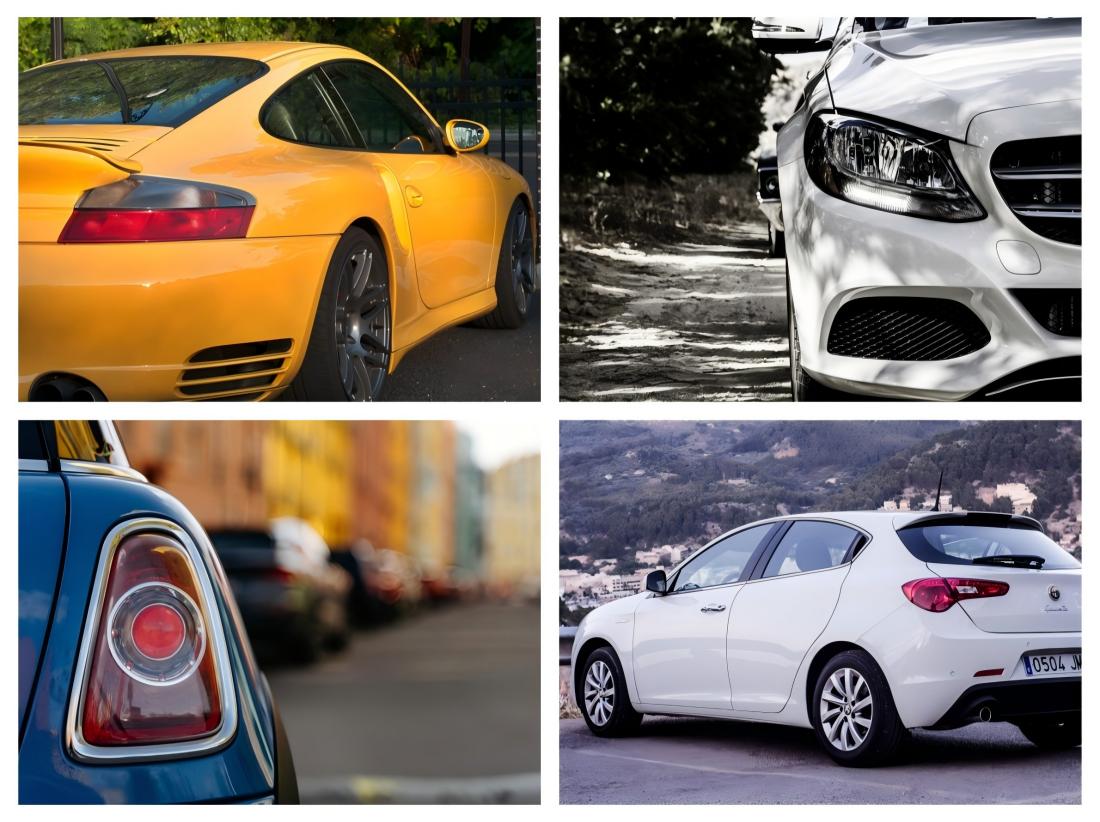
The surround-view system has significant blind spots
3.Response latency and system stability risks
Surround-view systems require time to stitch and process images captured by the cameras before displaying them on the screen, typically resulting in a latency of around one second. This delay can lead to misjudgments—particularly during dynamic driving—and potentially affect the driver’s decision-making.
For example, in vehicles with insufficient hardware configuration, this response delay may cause the vehicle’s infotainment system to freeze, operate slowly, or even affect the normal operation of other driver assistance functions, posing a risk to system stability, especially in high-speed or emergency scenarios, which can easily lead to operational errors.
4.Limited environmental adaptability
In adverse weather conditions such as rain or snow, the lens may be obstructed by water droplets, dust, or ice, impairing the field of view and resulting in blurred images or even a failure to display the image correctly.
In environments with significant changes in lighting, such as at night or in environments with drastic changes in light and shadow, the lens may experience a decrease in image quality due to excessive light contrast, making it difficult to identify obstacles.
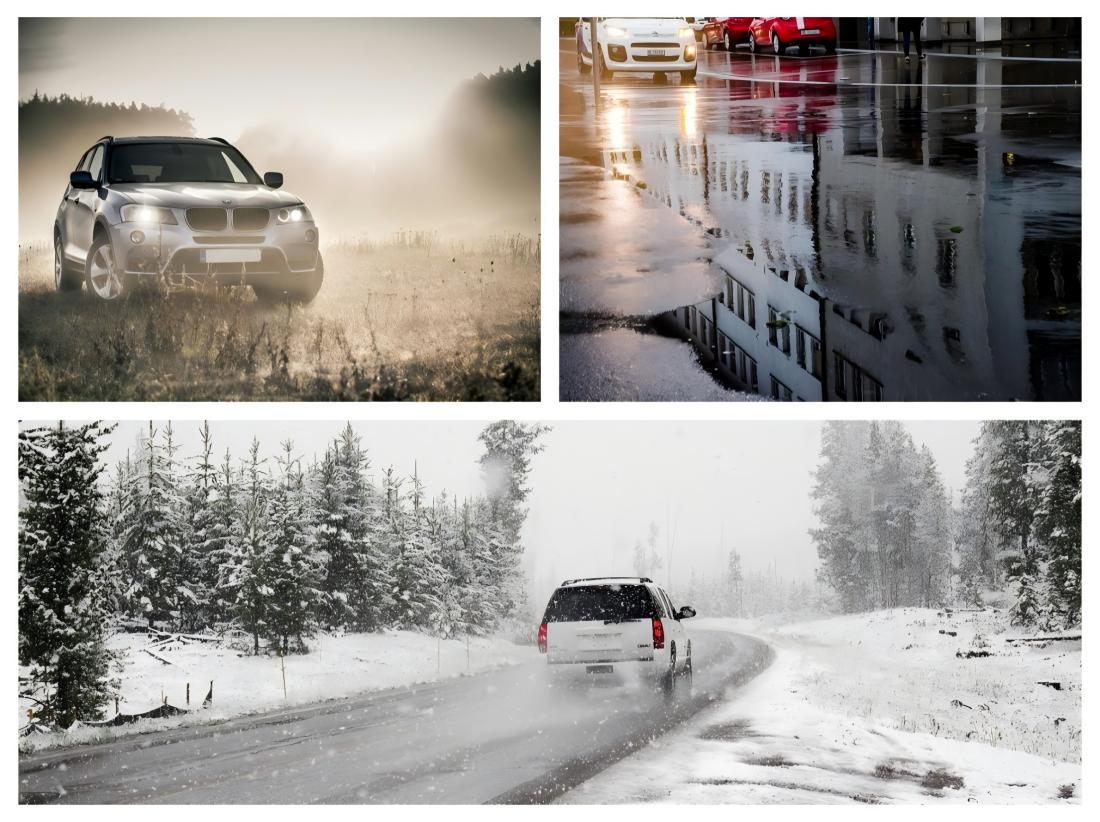
Surround view lenses have limited adaptability to harsh environments
5.Significant challenges regarding costs and maintenance
A complete surround view system includes multiple lenses, image processing units, and complex calibration procedures, resulting in relatively high overall hardware costs and installation and maintenance expenses. Additionally, the lenses require regular cleaning during use to ensure image clarity, and the repair process is complex should the system malfunction.
6.Drivers are prone to over-reliance
The in-vehicle surround view system is only an aid and reference for the driver and cannot replace the driver’s observation and judgment of the surrounding environment. The convenience provided by surround view systems may lead some drivers to become overly reliant on them, neglecting to look directly at the rearview mirrors, side mirrors, etc., while driving. This can easily create safety hazards when the system has blind spots or malfunctions.
In summary, vehicle surround-view lenses offer significant convenience and serve as excellent driving aids, yet they also have unavoidable limitations. When using the surround-view system, drivers should combine the digital view with other forms of observation—avoiding the mistake of staring solely at the screen—to ensure both driving safety and personal safety while effectively utilizing the technology.
Post time: Aug-18-2026


