
M7 lenses refer to lenses with an M7 threaded mount. They are common miniature lenses, small in size and light in weight, and are important in fields where space and weight are strictly limited.
The M7 lens is primarily used in miniaturized, embedded, and low-cost vision scenarios. Common application scenarios are as follows:
1.Security monitoring applications
M7 lenses are commonly used in security monitoring, offering low distortion, high-definition wide-angle coverage, and the ability to cover a larger monitoring area while reducing the number of cameras required.
In consumer-grade surveillance, the M7 lens is commonly used in smart home cameras, robot vacuums, and video doorbells, as well as for panoramic monitoring of areas such as elevators and corridors. In professional-grade security surveillance, the M7 lens is commonly used in concealed surveillance equipment and law enforcement recorders.
2.Vehicle monitoring applications
Automotive devices place high demands on lens size and stability, making the lightweight, compact M7 lens an ideal choice. The M7 lens can be integrated into compact dash cams without obstructing the driver’s view while providing a wide-angle field of view to fully capture road conditions ahead.
In automotive systems, M7 lenses are also frequently installed at various locations on the vehicle—such as for side-view or rear-view monitoring, 360-degree panoramic surveillance, or blind-spot assistance—thereby enhancing driving safety.
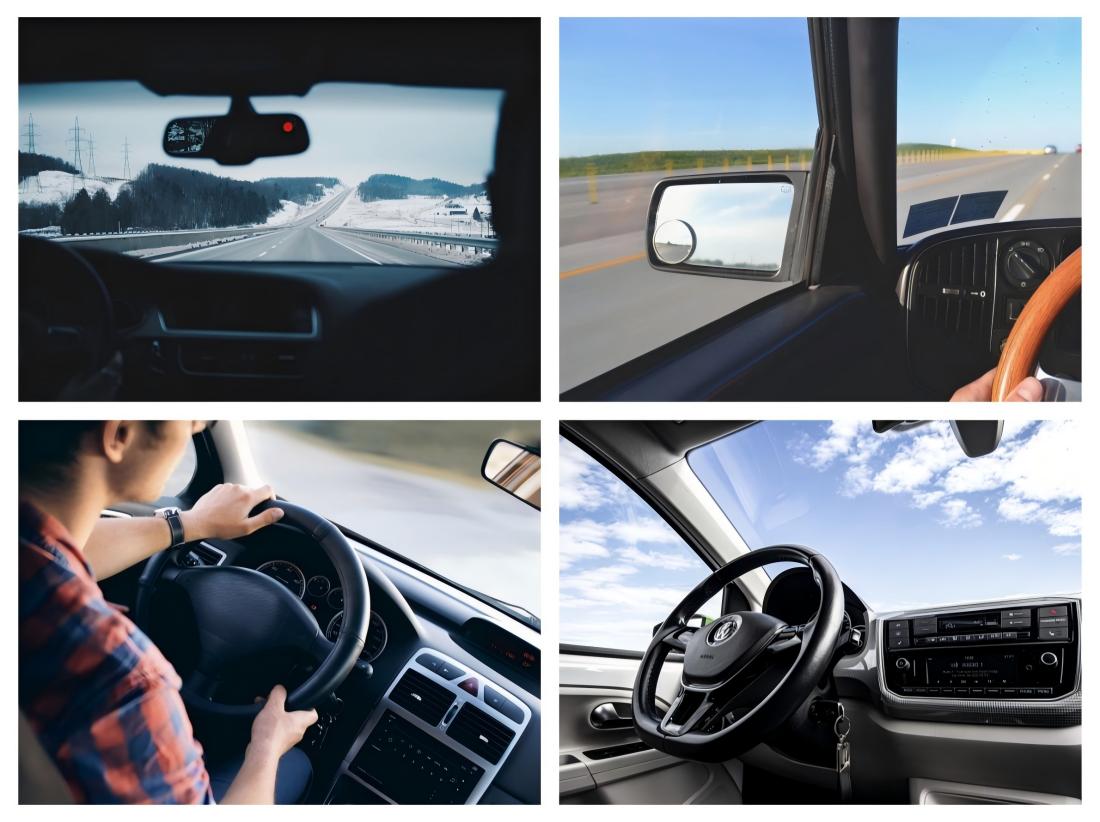
M7 lenses are commonly used in vehicle monitoring applications
3.Machine vision applications
M7 lenses play a significant role in industrial automation production lines, where they are frequently used for inspection and quality control—specifically for examining small, precision parts such as screws and miniature components.
Due to their compact size and ease of integration, M7 lenses are also commonly employed in embedded devices such as portable inspection tools, USB industrial cameras, and add-on lenses for microscopes.
4.Drones and aerial photography applications
M7 lenses are widely used in drones—particularly in compact First-Person View (FPV) racing drones—serving as a core component of the camera system. Their compact size and light weight allow for easy integration into FPV cameras, providing pilots with real-time, low-latency video transmission and an immersive flight experience.
Meanwhile, the lightweight design of the M7 lens also helps to minimize the load on the fuselage, thereby improving flight speed and battery life.
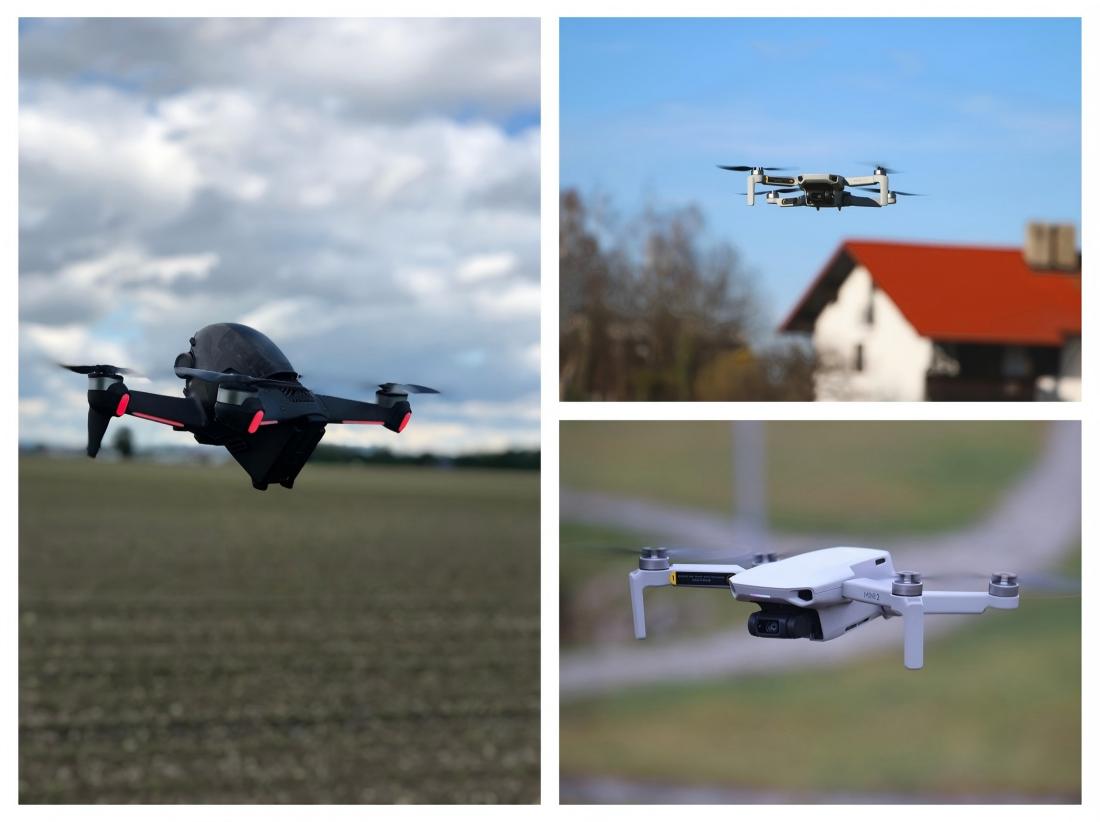
M7 lenses are commonly used in drone and aerial photography applications
5.Scanning and recognition applications
M7 lenses are also commonly used in the scanning modules of devices such as QR/barcode scanners and payment terminals for scanning and recognition; they are suitable for a wide range of barcode and QR code scanning systems.
6.Biometric applications
M7 lenses are also utilized in biometric applications such as facial recognition; frequently installed in the miniature cameras of access control systems, time and attendance terminals, and fingerprint or facial recognition devices, they facilitate the development of miniaturized security systems.
7.Mobile and wearable device applications
The miniaturized M7 lens is also used in mobile devices such as front-facing cameras for smartphones and laptops, as well as in wearable devices such as action cameras, smartwatch cameras, helmet cameras, and AR/VR front-facing cameras.
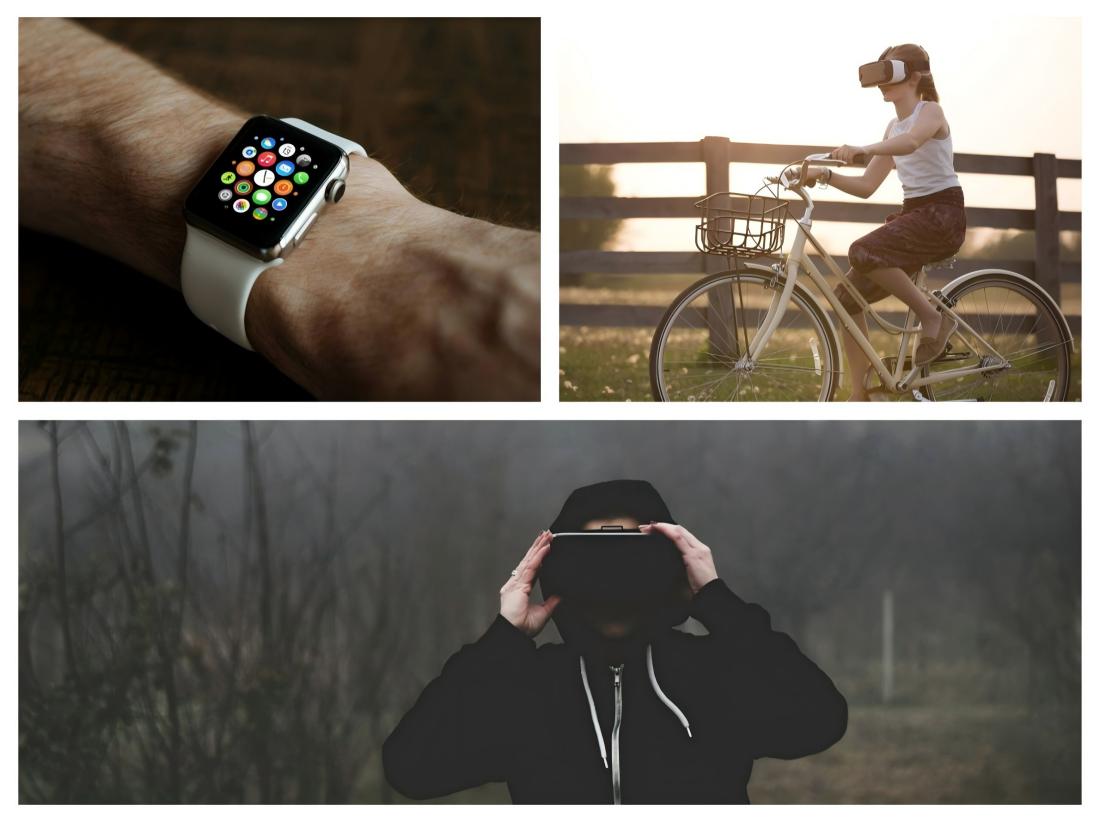
M7 lenses are also commonly used in wearable devices
8.Medical and miniature imaging devices
The M7 lens can also be used in medical and miniature imaging devices, such as being installed in minimally invasive endoscopes for internal examinations in the ear, nose, throat, and dental fields; and being installed in portable dermatoscopes and hair follicle detectors for skin and hair detection.
In summary, M7 lenses are widely used in various devices requiring miniaturized imaging solutions; capable of delivering reliable imaging performance within extremely limited space, they are a crucial component of modern smart micro-devices.
Post time: Aug-14-2026


