
With the advancement of AI technology, an increasing number of innovative applications rely on machine vision to function. In this process, the prerequisite for AI to be effective is that smart devices can see and see clearly, and optical lenses play an indispensable and important role in this process.
1.CCTV lenses are facing a technological upgrade
Judging from the development trends of video surveillance systems, the technological upgrade path for CCTV lenses is primarily characterized by the following aspects:
1)Reliability and lens cost
Security surveillance systems place high demands on the high-temperature resistance of lenses, a factor that is central to their reliability. Since CCTV lenses must operate in harsh weather conditions, the ability to withstand high temperatures is crucial. A high-quality lens must maintain focus and avoid image distortion under high-temperature conditions—typically tested within the 60–70°C range.
Meanwhile, the market is increasingly trending toward the use of hybrid glass-plastic lens elements (combining aspherical plastic lenses with glass); this approach enhances resolution while keeping costs reasonable.
2)Resolution and bandwidth costs
Compared to other types of camera lenses, CCTV lenses generally do not require as high a resolution. Currently, the mainstream resolution remains 1080P (2MP), which accounted for approximately 72% of the market share in 2020.
Since bandwidth costs remain a significant factor in existing systems, upgrading resolution would also increase both system deployment and operational costs. Consequently, the pace of the transition to 4K is unlikely to be rapid.
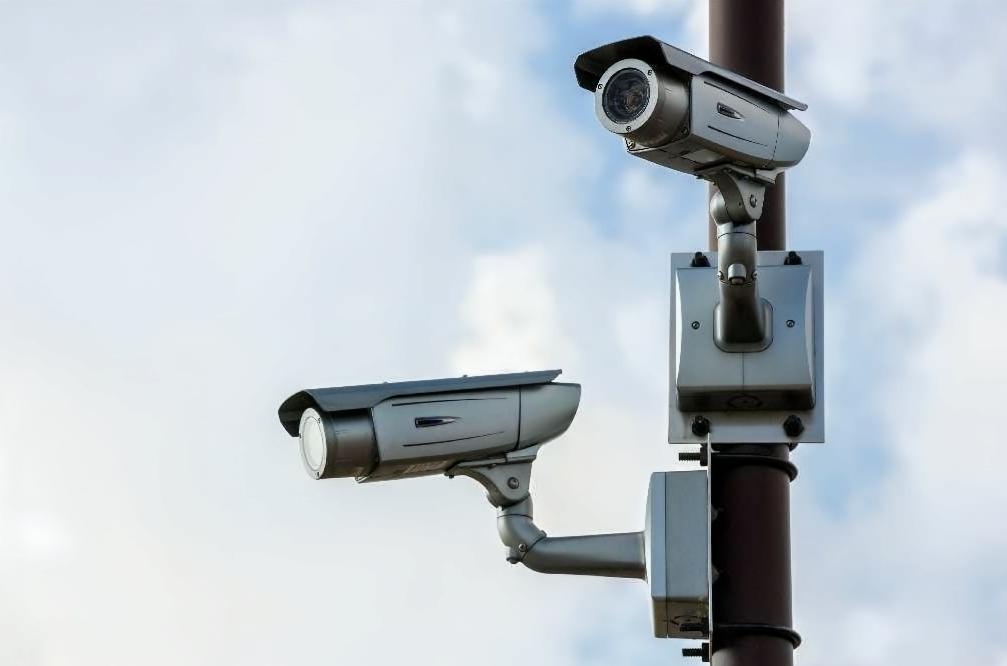
CCTV lenses face upgrade challenges
3)From fixed focus lens to high-magnification varifocal lens
CCTV lenses primarily fall into two categories: fixed focus lenses and varifocal lenses. While fixed focus lenses currently dominate the market, the market share of varifocal lenses has grown rapidly in recent years.
Generally, a 3x zoom is sufficient for standard applications; however, monitoring over longer distances requires a lens with a higher zoom factor.
4)Large aperture addresses low-light application scenarios
CCTV lenses often need to operate in low-light conditions, requiring larger apertures than those found in smartphone lenses. While infrared imaging can address night-time visibility, it only yields black-and-white video; consequently, pairing a large-aperture lens with a high-sensitivity RGB CMOS sensor offers the optimal solution for low-light environments.
Mainstream CCTV lenses currently on the market are fully capable of handling indoor and daytime outdoor settings; furthermore, “starlight-grade” (F/1.6) and “black-light-grade” (F/0.98) large-aperture lenses have been developed to better meet user needs in night-time environments.
Today, the scope of electronic technology applications is expanding rapidly. Optical lenses—acting as the “eyes” of machines—are continuously evolving and branching out into numerous new fields.
Beyond their use in mainstream markets such as security surveillance, automotive systems, and mobile phones, optical lenses have become vital components in a wide range of emerging electronic devices, including AI recognition systems, smart home products, laser projection, virtual reality (VR), and video projection equipment.
Depending on the specific electronic device, these lenses vary in terms of form factor and technical specifications.
2.Lens characteristics in different application areas
1)Video conferencing equipment lens
Video conferencing equipment—which utilizes lenses to facilitate services such as online meetings and live-streamed education—emerged largely in response to the surge in demand for remote work driven by the pandemic.
Given their relatively fixed and specialized operating environments, the design requirements for these lenses are straightforward, focusing primarily on meeting fundamental needs such as a wide field of view, low distortion, high image clarity, and zoom capabilities.
In recent years, the production volume of such equipment has steadily risen alongside the growing adoption of applications involving cross-regional collaboration and remote training.
2)Drone lens
The widespread adoption of drones has also driven the development of related industries, such as consumer drone equipment. Since these devices are typically operated outdoors, their lenses must meet rigorous design standards—including capabilities for long-range imaging, wide fields of view, and resilience against challenging environmental conditions.
Drone camera lenses incorporate features such as haze penetration, noise reduction, wide dynamic range (WDR), automatic day/night switching, and spherical privacy masking.
Given the complex environments in which drones operate, lenses must seamlessly switch shooting modes based on visual conditions; consequently, zoom lenses are employed to enhance versatility, enabling rapid transitions between wide-angle shots and close-up captures during high-altitude flight.
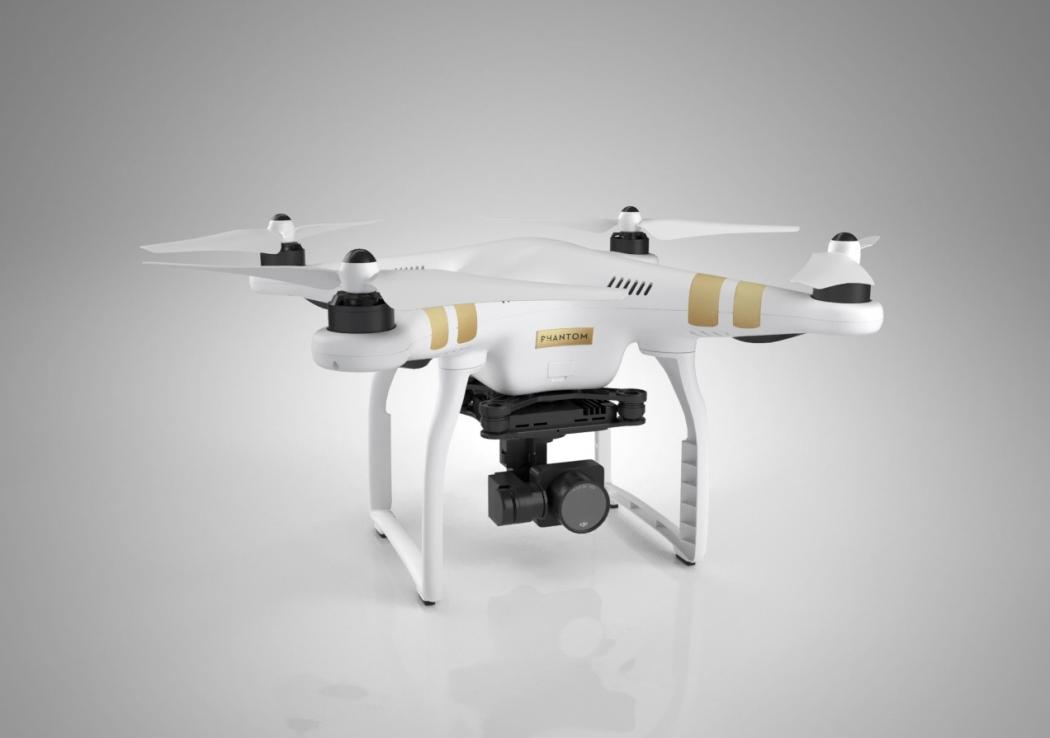
Lenses have different characteristics in different application areas
3)Smart home lens
Smart home devices incorporating optical lenses—such as home security cameras, smart peepholes, video doorbells, and robot vacuums—have entered the market. These devices are known for their flexibility, compact size, and adaptability to all-weather black-and-white operation.
Therefore, high pixel count, large aperture, low distortion, and high cost-effectiveness have become the basic standards for the research and development and production of smart home lenses. Meanwhile, high-definition shooting, low-light night vision, and wide depth of field are essential features for these products.
4)Handheld camera lens
Lightweight, portable handheld smart cameras have emerged alongside the growth of the live-streaming industry. These cameras must meet baseline standards for high definition, image stabilization, and distortion-free imaging.
Furthermore, to achieve superior live-streaming results, they require features such as accurate color reproduction, “what-you-see-is-what-you-capture” fidelity, and ultra-wide dynamic range adaptation to support all-day shooting across various real-life scenarios.
Currently, the main market for optical lenses is still automotive, security, and mobile phone applications. However, with the increasing diversification of people’s lifestyles, the market for optical lenses in some niche areas is also constantly developing.
For example, the rise of emerging products such as projectors and AR devices that focus on visual technology and art has brought different experiences and feelings to people’s work and life.
Post time: Oct-27-2026


