
Iris recognition technology is a type of biometric technology and is considered one of the most accurate and secure biometric identification technologies currently available. Compared with technologies such as facial recognition and fingerprint recognition, iris recognition has significant advantages in terms of security, stability, and accuracy.
Let’s take a look at the key advantages of iris recognition technology:
1.Extremely high uniqueness
The iris pattern of a person is formed during fetal development and remains unchanged throughout life. Moreover, each iris is unique. Even identical twins have completely different irises, while fingerprints and other identification methods may have similar patterns.
2.Exceptional stability
The iris is one of the most stable biological characteristics of the human body. It is not affected by aging, minor trauma or environmental changes (except for a very few eye diseases), nor is it worn or damaged by daily work.
This provides a long-term and reliable guarantee for identity recognition. In contrast, facial appearance changes with age, makeup, and expressions, while fingerprints are susceptible to wear.
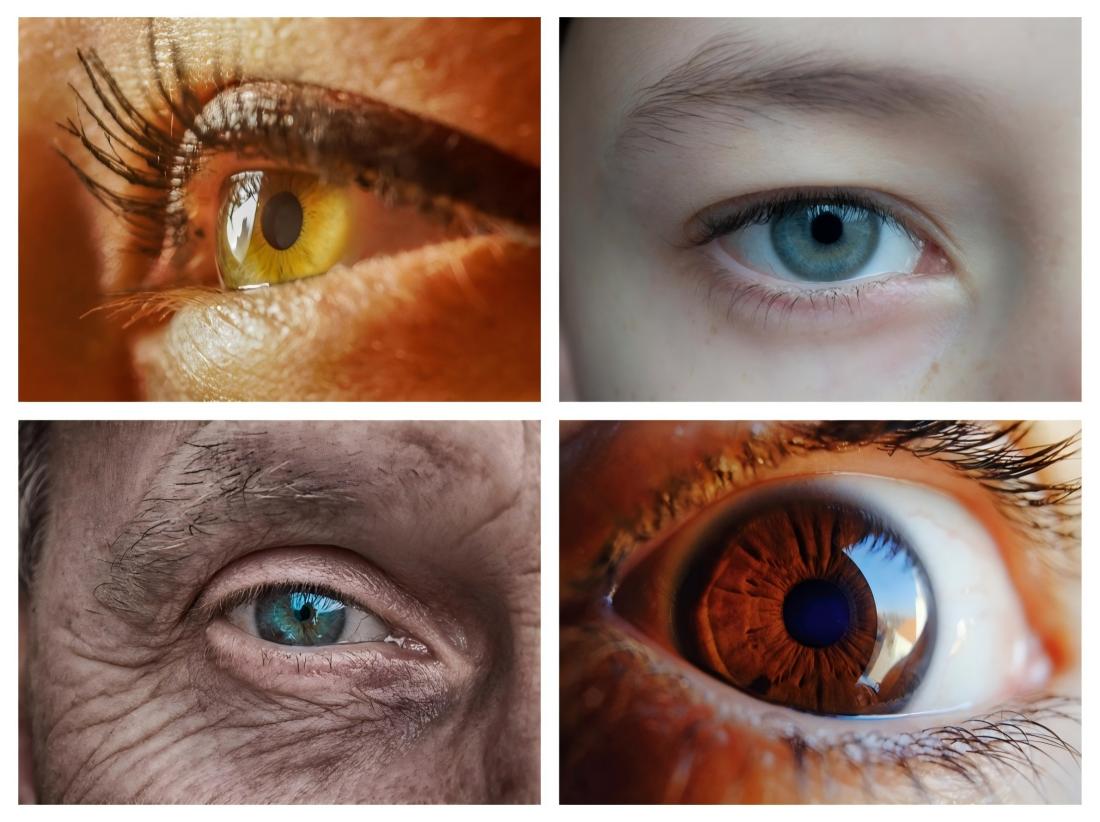
The human iris is unique and stable
3.Extremely high precision
The iris features complex textures—such as spots, filaments, and streaks—and possesses over 200 quantifiable feature points. It offers an extremely low false acceptance rate (potentially below one in a million), far surpassing the accuracy of fingerprint recognition (approximately one in 100,000) and facial recognition (approximately one in 10,000).
4.Extremely high security and anti-counterfeiting features
The iris is a living organ located within the eye; protected by the cornea, it is difficult to access or replicate from the outside, making forgery extremely challenging. At the same time, the pupil is sensitive to light and will contract rapidly when stimulated by strong light, which can detect subtle changes in the pupil. Therefore, it has a natural ability to detect liveness and can effectively defend against forgery attacks such as photos, videos, and molds.
Additionally, iris characteristics are resistant to tampering and remain stable across various environments, showing strong robustness against factors such as lighting conditions, viewing angles, and facial expressions.
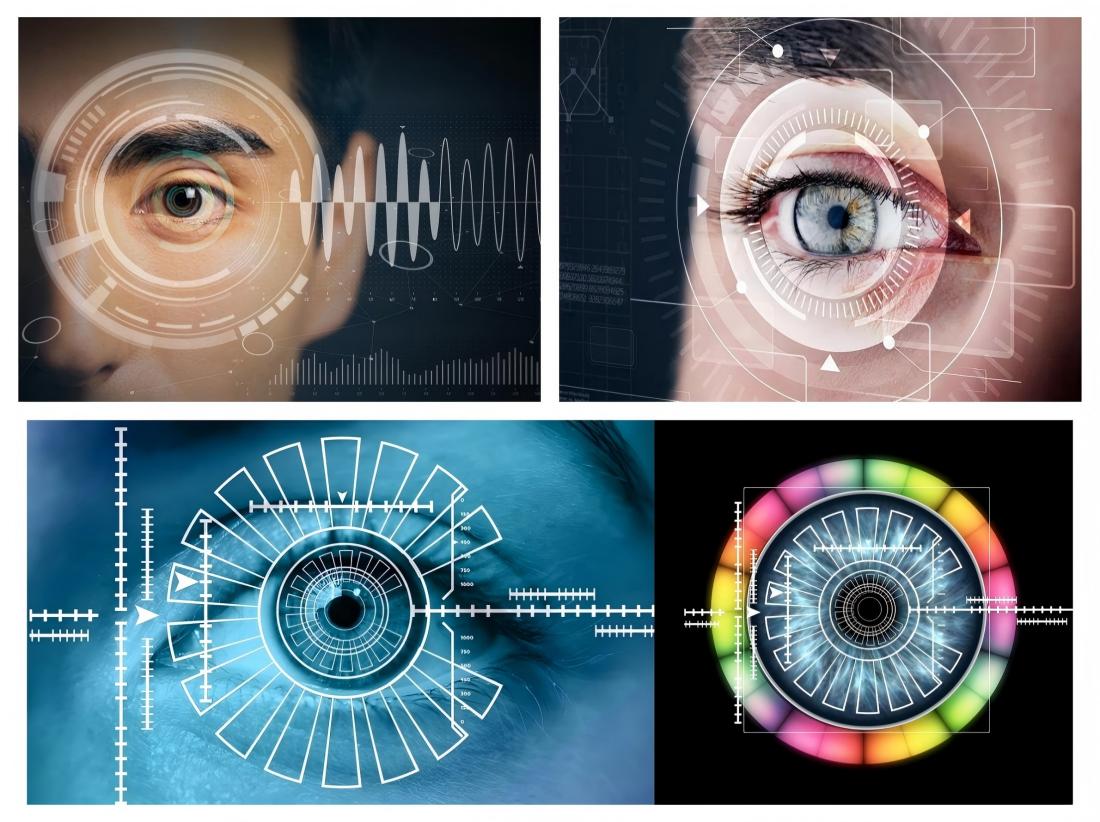
Iris recognition offers extremely high security
5.Non-contact data acquisition
Iris recognition allows users to complete the identification process without physical contact with the device. This method is hygienic and convenient, reducing the risk of virus transmission and avoiding the discomfort associated with contact-based data capture—advantages that are particularly significant in settings sensitive to public health concerns.
6.High speed and stealth
Iris recognition enables rapid matching, making it suitable for large-scale identity verification scenarios such as border security checks and national identity databases. A single recognition process takes only 1–2 seconds and can be completed at medium-to-long range without requiring deliberate cooperation from the user.
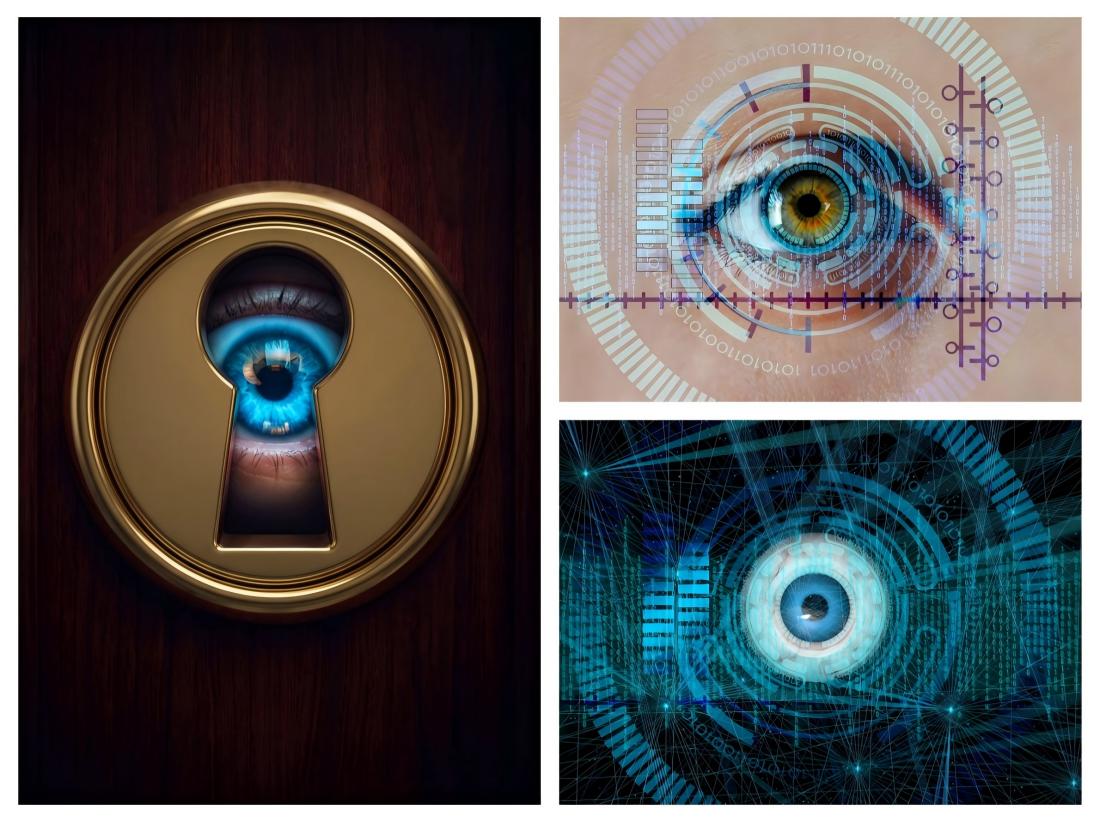
Iris recognition technology supports contactless capture
Furthermore, the iris recognition system allows for the flexible adjustment of user privileges based on management needs, enabling real-time, intelligent management; it offers great flexibility and yields significant long-term benefits.
In summary, iris recognition technology offers distinct advantages over other biometric technologies and is rapidly becoming a preferred choice in the field of security authentication, finding widespread application in areas such as access control systems, financial payments, mobile devices, and public security.
Post time: Aug-11-2026


