
1.What is ITS?
An Intelligent Transportation System (ITS) is an integrated transportation system that combines advanced technologies—such as information technology, data communication, sensor technology, electronic control technology, and artificial intelligence—to enhance the safety, efficiency, and sustainability of the transportation system.
ITS was developed to address issues such as traffic congestion, air pollution, and road safety. The system optimizes transportation infrastructure and services—including traffic signal control, route guidance, and public transport management.
By significantly alleviating traffic congestion, effectively reducing traffic accidents, enhancing the safety of transportation systems, and curbing environmental pollution, it has become a quintessential application within the field of the Internet of Things (IoT).
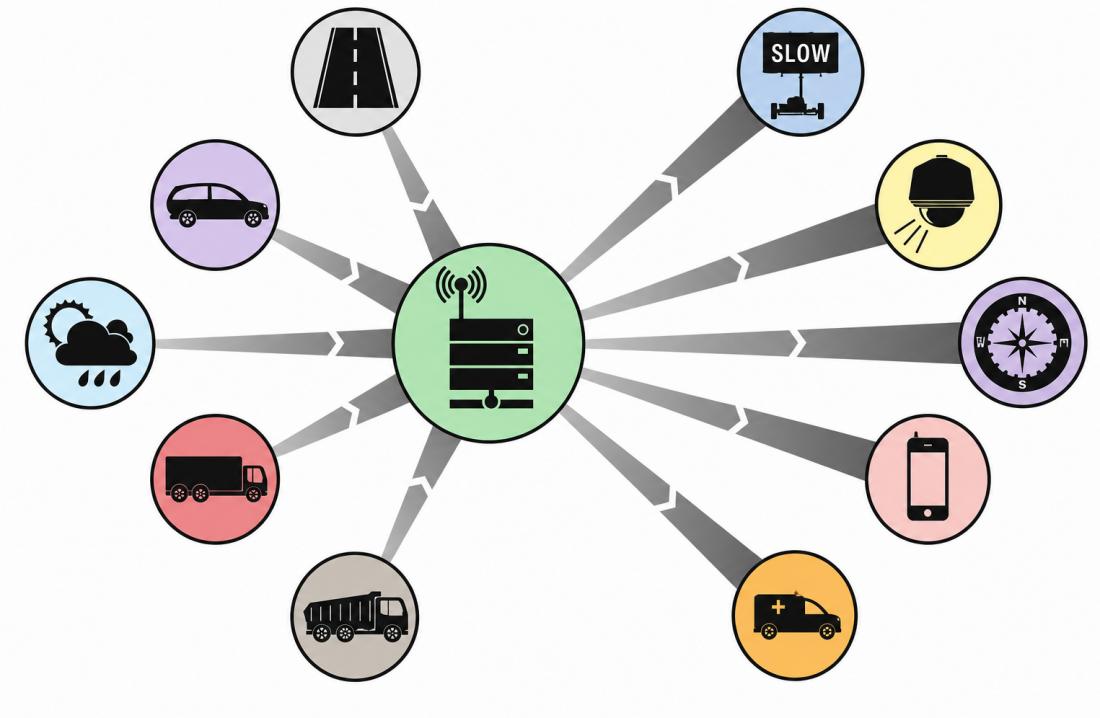
What is ITS
2.There are many benefits to using ITS
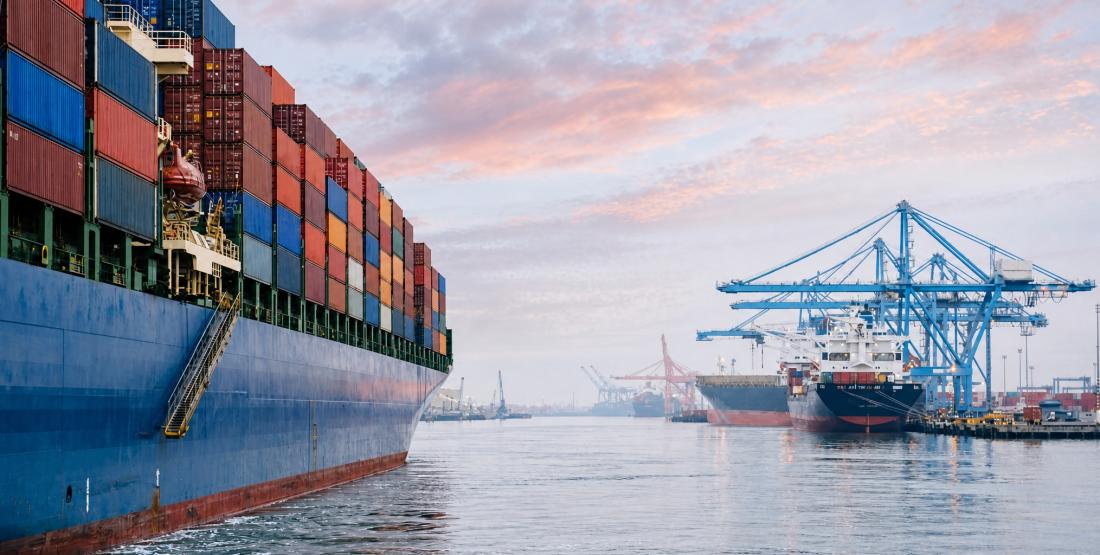
ITS can be applied to various modes of transportation, including road, rail, air, and maritime transport. In highway transportation, ITS can provide services such as real-time traffic information, intelligent parking management, and advanced driver assistance systems.
It can also provide services such as train control and signaling, passenger information systems, and maintenance management, including ship traffic management, port operation management, and safety and security management.
The benefits of implementing ITS are significant. ITS can enhance safety by reducing accidents and fatalities through improved traffic management and vehicle control. It can alleviate traffic congestion and air pollution by optimizing transport infrastructure and services, thereby reducing travel time and fuel consumption.
There are many benefits to using ITS
Additionally, it can improve the accessibility and convenience of transportation services, particularly for people with disabilities and the elderly.
The implementation of ITS faces several challenges, one of which is the complexity of the transportation system, involving various stakeholders such as government bodies, transport companies, and citizens.
ITS requires coordination and cooperation among these stakeholders to ensure its successful implementation. Governments and transportation companies need to consider the cost-effectiveness of implementing ITS due to the high costs of equipment, software, and maintenance.
Overall, ITS is a key technological system with the potential to transform transportation services. It can enhance safety, efficiency, and sustainability while providing better transportation services to the public.
ITS is still evolving, and its potential has not yet been fully realized. However, with technological advancements and the increasing adoption of ITS by stakeholders, significant improvements in future transportation services are expected.
3.Characteristics of ITS lenses
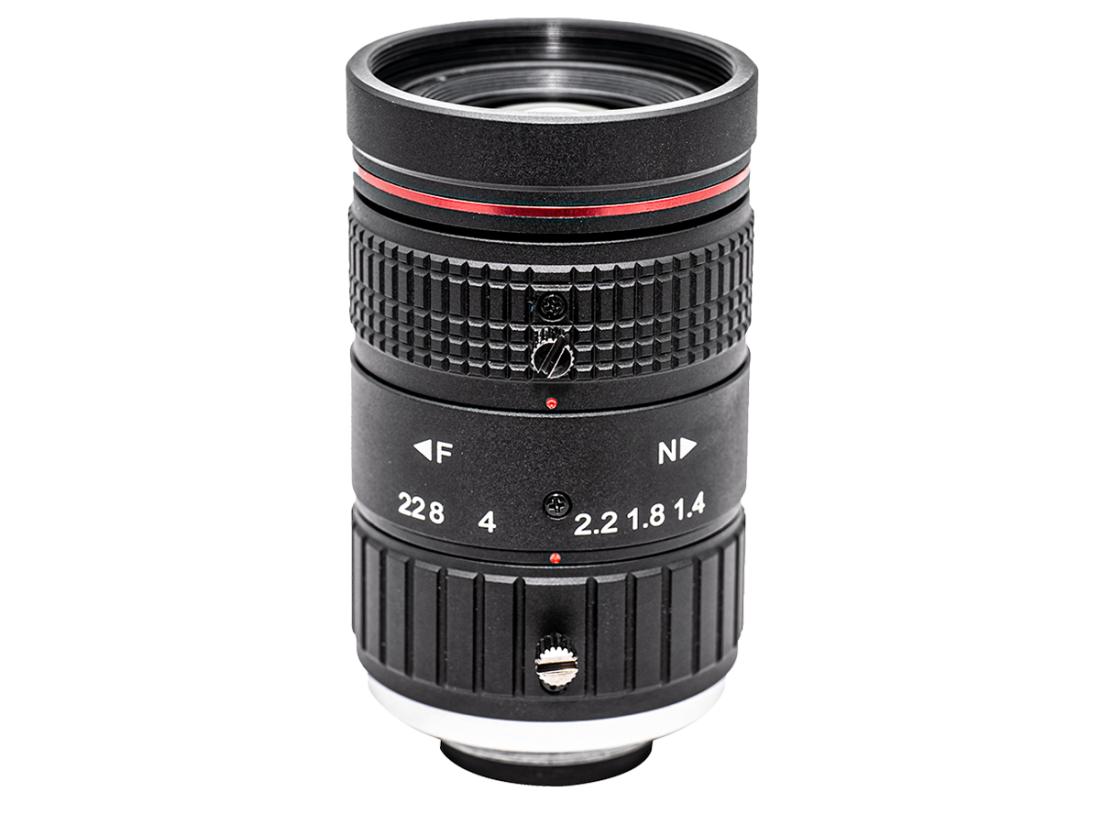
An ITS lens is a lens specifically designed for use with image sensors. Typically characterized by high resolution, low distortion, and high contrast, it delivers clear, accurate, and high-quality images.
Its design takes into account optical properties, mechanical structure, and electronic interfaces, enabling it to effectively adapt to a wide range of complex environments.
Characteristics of ITS lenses
The advantage of ITS lenses lies in their high-quality imaging performance. In the fields of surveillance and security, ITS lenses deliver high-resolution, high-contrast images, maintaining superior quality even at night or in low-light conditions.
In the aerospace and maritime sectors, ITS lenses can capture high-resolution images over long distances to support remote sensing and surveillance missions.
ITS lenses have a wide range of applications, including topographic mapping, agricultural and forestry monitoring, environmental monitoring, and urban planning.
In the fields of surveillance and security, they are used for public spaces, banks, transportation hubs, and urban safety. In aerospace, they serve tasks such as satellite imaging, constellation measurement, and orbital observation. In the maritime sector, they are utilized for vessel monitoring, marine resource exploration, and port management.
The applications of ITS lenses continue to expand and deepen. With the advancement of artificial intelligence and deep learning technologies, ITS lenses can be integrated with computer vision to enable functions such as automatic object detection, recognition, and tracking.
Meanwhile, ITS lenses can also be combined with other sensors, such as infrared sensors and lidar, to achieve multi-sensor fusion and improve the accuracy and efficiency of monitoring and detection.
4.Selection of ITS lenses
When selecting ITS lenses, it is necessary to determine the appropriate lens model and specifications based on specific application requirements. Common ITS lens parameters include focal length, aperture, field of view, and image quality.
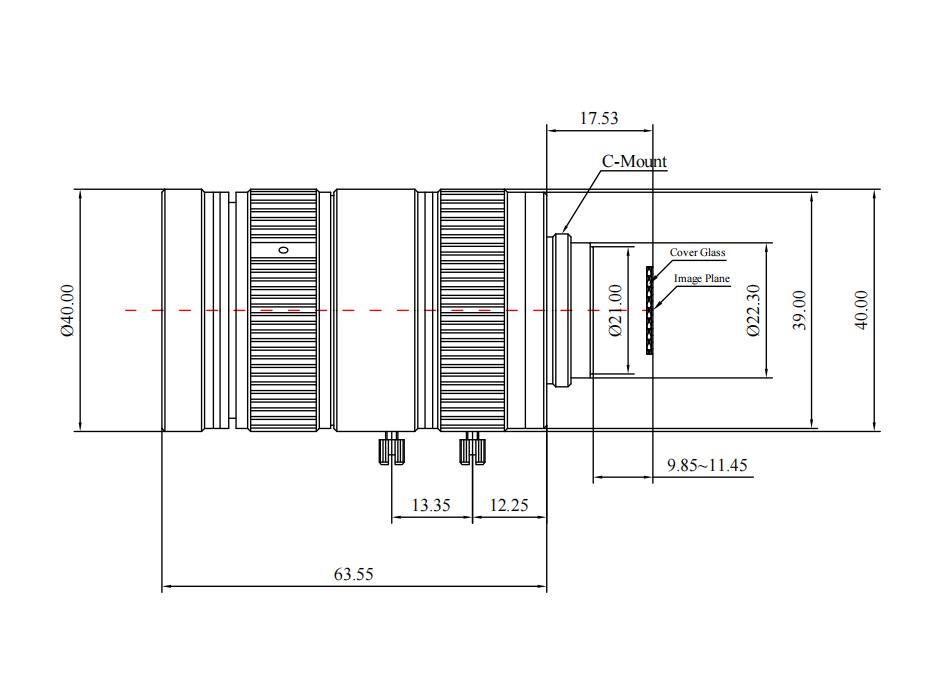
ITS Lens specifications example
ChuangAn Optics offers a comprehensive range of mature ITS lenses—including S-mount (M5–M45), C/CS-mount, and camera-specific mounts—covering fixed-focal, zoom, fixed-aperture, and variable-aperture types to meet the requirements of diverse application scenarios.
Post time: Nov-03-2026


