
In intelligent transportation systems, industrial lenses play a crucial role in license plate recognition systems. As a core component of optical imaging, their performance directly determines the quality of image acquisition, which in turn affects the accuracy of the recognition algorithm.
Overall, in intelligent transportation systems, industrial lenses primarily assist with license plate recognition in the following ways:
1.High-resolution image acquisition
Industrial lenses are a core hardware component of license plate recognition systems, used to capture images of vehicles in motion, and determine the size and clarity of the images captured by the camera.
These industrial lenses are capable of delivering high-resolution images—ranging from millions to tens of millions of pixels—while exhibiting low distortion characteristics. This enables them to clearly render the characters, colors, and subtle details of license plates, thereby laying a solid foundation for the accurate recognition of license plate information.
2.High frame rate motion capture
At highway toll stations or ramps, vehicles typically travel at high speeds. High-end industrial lenses, paired with high-frame-rate cameras, can clearly capture the details of fast-moving vehicles, preventing motion blur and ensuring that every single frame is suitable for recognition.
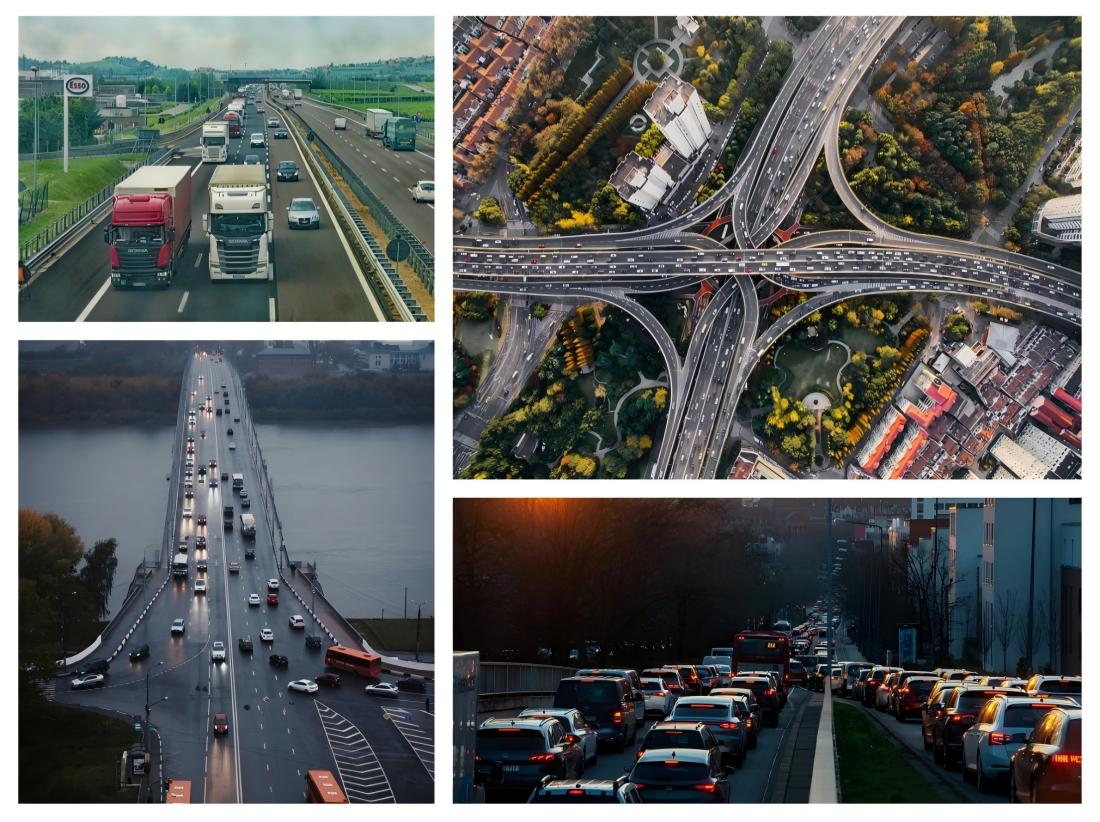
Industrial lenses are often used for high-resolution image acquisition
3.Precise focus and depth of field control
Industrial lenses can accurately calculate and select a specific focal length based on the installation height and lane width, ensuring that the image precisely covers the target area for easy positioning.
At the same time, by adjusting the aperture and focal length, industrial lenses can provide a large depth of field, ensuring that vehicle license plates within a range of several meters to tens of meters remain in sharp focus without the need for frequent autofocusing.
4.Adapting to complex lighting environments
Lighting conditions in traffic environments are subject to extreme variations, including direct sunlight, low-light conditions at night, headlight glare, and sudden shifts in illumination at tunnel entrances and exits.
Many industrial lenses specifically designed for transportation typically employ a large aperture design, which can improve throughput at night or in low light conditions. For example, in low-light environments such as at night, in tunnels, or on rainy days, they can achieve clear imaging and reduce noise when used with supplemental lighting.
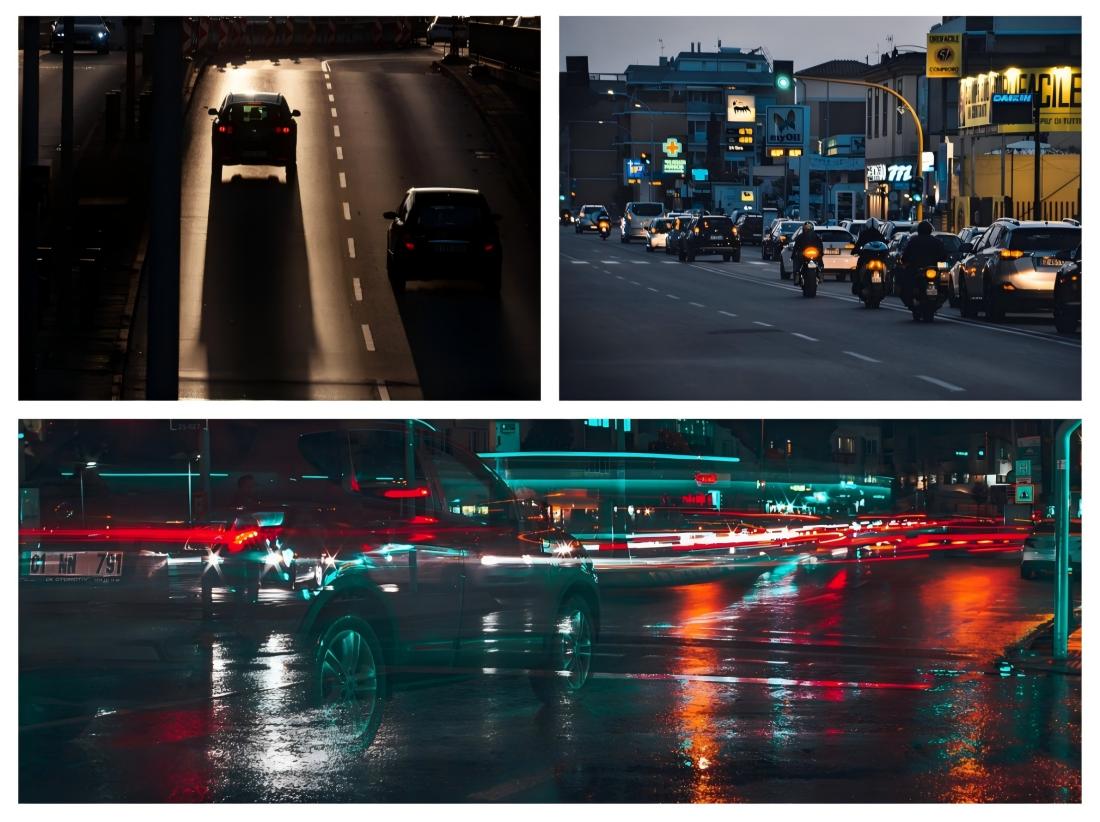
Industrial lenses can adapt to complex lighting environments
5.Environmental adaptability and stability
Outdoor equipment needs to withstand harsh environments such as wind, sun, drastic temperature changes, and vibration. Industrial lenses generally use special materials and structural designs to provide high-strength physical protection.
For example, industrial lenses meet industrial-grade protection standards, have a robust structure, can withstand road vibrations, and prevent internal lens loosening that could lead to a decrease in image quality; they have an IP66 or higher rating, which can withstand rain, dust, and fog, ensuring long-term stable operation; they have extremely low thermal drift characteristics, so the focus will not shift significantly when the temperature changes, ensuring clear imaging in all weather conditions without the need for frequent recalibration.
Through these various means, industrial lenses play a pivotal role in intelligent transportation systems, helping to enhance the accuracy and efficiency of license plate recognition, thereby elevating the level of intelligence in traffic management.
Post time: Jul-03-2026


