
M12 lenses are compact, have a small form factor, and are easy to integrate. They generally offer high image quality and are ideal for space-constrained applications, enabling device miniaturization. They have widespread applications in medical imaging.
In the field of medical imaging, the applications of M12 lenses are mainly reflected in the following aspects:
1.Medical endoscopic imaging
Medical endoscopes need to be inserted deep into the body’s cavities, where the internal space is extremely limited. The compact size of M12 lenses makes them easy to integrate into thin catheters, making them a crucial component of the endoscope’s core imaging module. They are widely used in various clinical departments, including gastroenterology, pulmonology, urology, and orthopedics.
In endoscopy, the high resolution and low distortion characteristics of M12 lenses help capture fine details of tissue surfaces, providing a clear field of view for minimally invasive surgery and diagnosis. For example, in gastrointestinal endoscopy, the use of the M12 lens can help doctors accurately identify easily overlooked lesions such as early polyps and tiny lesions.
2.Microscope-assisted imaging
In small microscopes used in biomedical research and clinical laboratories, the M12 lens is often used as an imaging component, providing high-resolution and low-distortion images to help doctors and researchers make more accurate observations and analyses. M12 lenses can be seamlessly integrated with PCB cameras, clearly projecting microscopic samples such as cells and microorganisms onto the sensor, converting them into digital images.
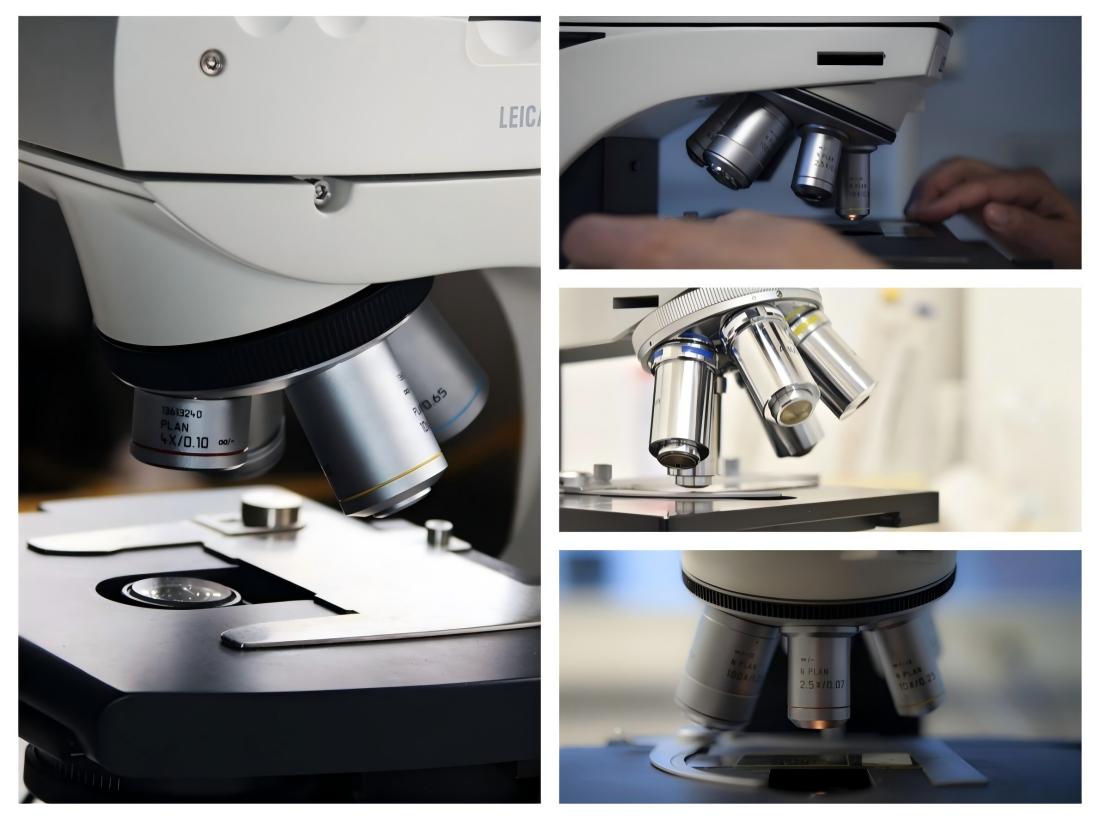
M12 lenses are used in small microscope devices
3.Skin and hair detection imaging
The M12 lens is also widely used in medical aesthetic or dermatological auxiliary equipment such as skin analyzers and hair analyzers. Skin testing instruments equipped with M12 lenses can clearly capture details of the skin surface, such as pore condition and hair follicle health, providing image support for skin diagnosis and treatment plans.
4.Surgical guidance and monitoring
In minimally invasive surgery, the M12 lens can be combined with a small camera and mounted on the “eye” position of the surgical robotic arm, providing high-resolution, real-time images or videos of the surgical field to assist the robot or surgeon in performing precise procedures.
5.Small portable diagnostic devices
The miniaturized characteristics of M12 lenses also make them suitable for mobile and portable medical applications, such as portable imaging equipment used in emergency medicine and primary care, including handheld ultrasound imaging modules and small pathology slide viewers.
M12 lenses are one of the core imaging components in these devices. Because the M12 lens is small and lightweight, it does not increase the burden of carrying portable devices, is easy to install, and has a significant price advantage. It can meet the basic imaging clarity requirements of primary care clinics and improve the efficiency of primary care medical diagnosis.
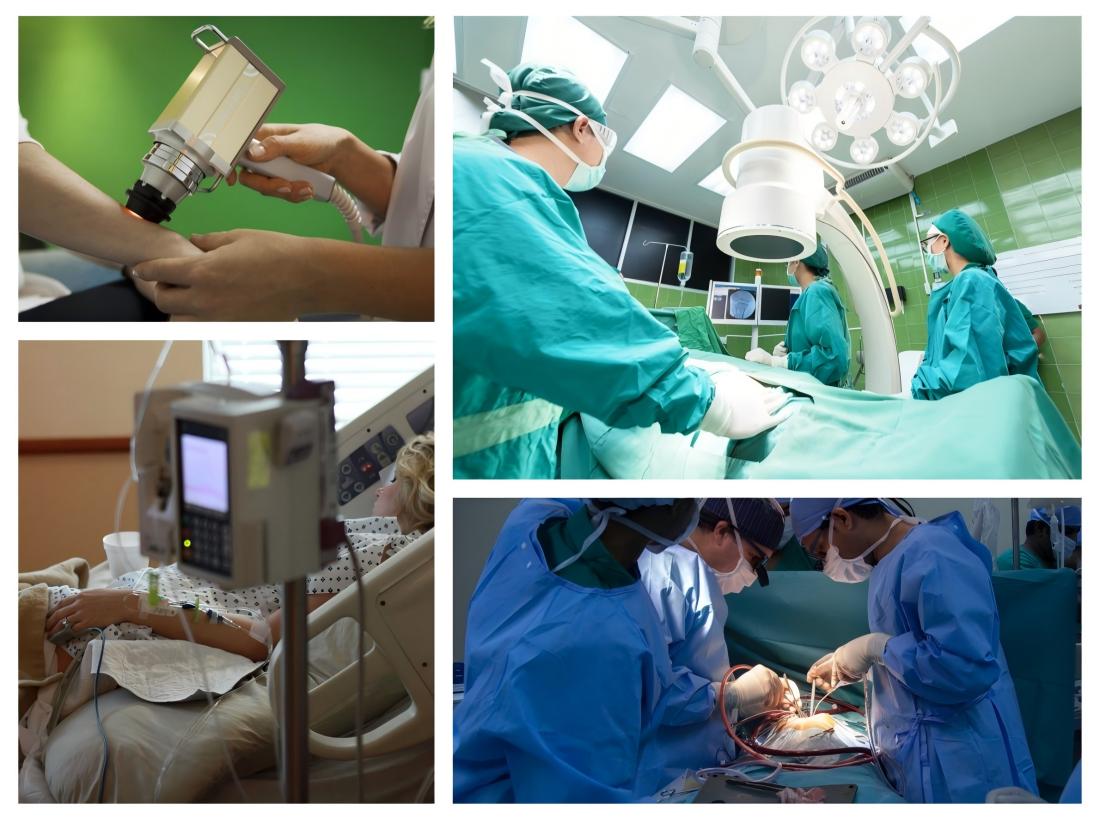
M12 lenses are commonly used in small portable devices
6.In vitro diagnostics and laboratory equipment
The M12 lens is also widely used in automated microscopes, flow cytometers, PCR analyzers and other equipment, responsible for high-precision image capture of samples, slides or culture dishes, providing stable and reliable image acquisition capabilities for automated analysis systems, and supporting high-precision cell observation and sample analysis.
It is evident that the M12 lens has a wide range of applications in medical imaging. Its compact design, high resolution, and low distortion imaging characteristics make it an important component in medical equipment, enabling space-constrained medical devices to achieve high-quality imaging.
Final Thoughts:
ChuangAn has carried out the preliminary design and production of M12 lenses, which are widely used in various fields. If you are interested in or have needs for M12 lenses, please contact us as soon as possible.
Post time: Mar-06-2026


