
Varifocal lenses are a widely used type of lens in photography. They can change the shooting angle and composition by adjusting the focal length, allowing one lens to shoot a variety of different scenes without the need to frequently change lenses, thus achieving “one lens for everything”.
1.The core advantages of varifocal lenses
(1)Composition flexibility
Compared to fixed focus lenses, varifocal lenses can cover multiple focal lengths in one lens, capturing different perspectives. They allow for quick switching from wide-angle to telephoto without changing lenses, making them especially suitable for scenarios requiring rapid composition adjustments, such as travel and event photography.
For example, from expansive landscapes to close-ups of distant objects, using a zoom lens simply involves rotating the zoom ring, preventing you from missing moments by changing lenses.
(2)Portability and practicality
A single varifocal lens can cover wide-angle to medium telephoto, meeting a variety of shooting needs. It can replace multiple fixed focus lenses, reducing the weight of carrying and the time spent changing lenses, making it ideal for scenarios where you need to travel light, such as street photography and hiking trips.
For example, when street photography, a telephoto lens can be used to quickly capture the scene of a bird suddenly appearing in flight or an event in the distance, while a wide-angle lens can be used to capture close-up human scenes.
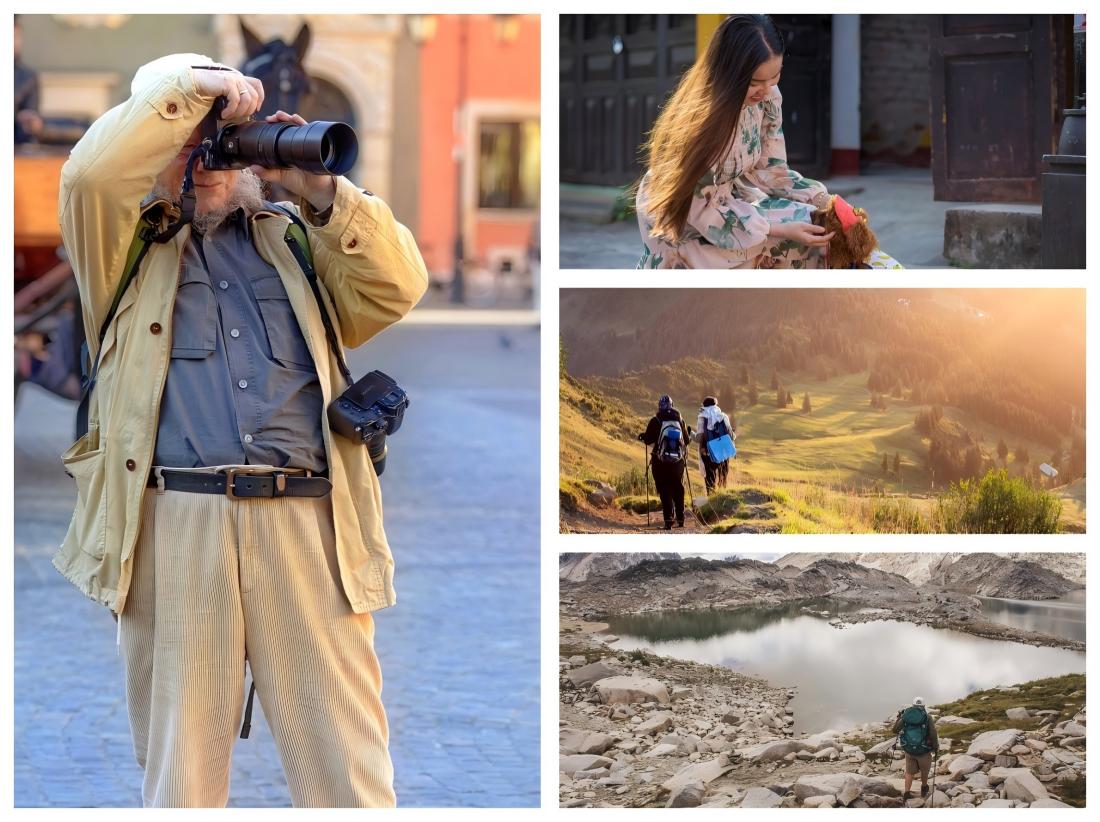
Varifocal lenses offer flexible composition and high practicality
(3)Dynamic shooting capabilities
In dynamic shooting such as video, zoom lenses allow for manual or motorized zoom ring adjustments to zoom in and out, guiding the viewer’s eye, creating smooth zoom for camera movement effects, and even generating creative special effects. For example, using a zoom lens to push the zoom ring at a slow shutter speed can produce a radial dynamic effect.
(4)Quickly adapt to changing scenarios
In scenarios where lighting, environment, and subject are constantly changing, such as street photography, event recording, and travel, zoom lenses allow you to quickly adjust the focus to handle different situations without having to frantically change lenses.
2.Varifocal lens usage tips
While varifocal lenses offer many conveniences and creative freedom in photography, certain usage skills are required to unleash their full potential.
(1)Match different focal lengths according to the scene
Using different focal lengths can produce different image effects, and different scenes also require different focal lengths. For example:
Wide-angle lenses are suitable for landscape and architectural photography, emphasizing perspective and spatial depth, but care must be taken to avoid distortion at the edges of the image;
Standard focal lengths are suitable for street photography and portrait photography, providing a close-up view of everyday life while also taking into account the environment, making them suitable for documentary photography, with natural compression and soft background blur;
Telephoto lenses are suitable for wildlife and sports photography, enabling long-distance shooting while avoiding interference with the subject, capturing distant details, and eliminating cluttered backgrounds to highlight the subject.
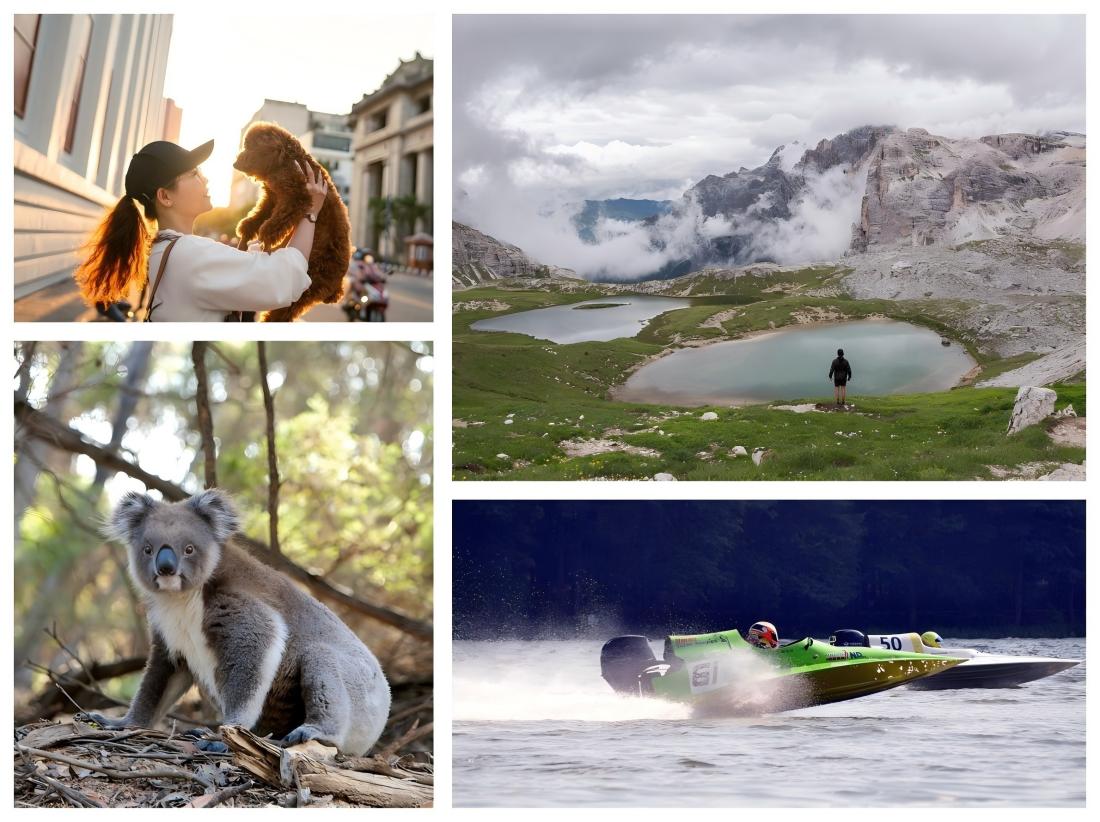
Varifocal lenses can be matched with different focal lengths according to the scene
(2)Focusing with a long focal length
When using a varifocal lens, focus first at a telephoto distance, then select the appropriate focal length to shoot. This improves focusing accuracy. At a telephoto distance, the image of the subject is largest while the depth of field is smallest, facilitating accurate focusing. This is especially helpful in backlit or complex lighting conditions, where using a telephoto lens allows for appropriate local metering.
(3)Don’t rely too much on zoom, avoid lazy composition
The ease of use of varifocal lenses can easily lead to a passive approach, relying solely on rotating the zoom ring to compose shots, resulting in over-reliance on zoom and potentially diminishing the initiative in composition. It’s important to note that changing the lens’s focal length alters the field of view, while moving the camera changes perspective.
Moving the camera closer or further away can create drastically different spatial effects and background compression. Therefore, using a varifocal lens requires actively moving to find the optimal shooting angle and then fine-tuning the focal length to create higher-quality images.
(4)Pay attention to the stability of the telephoto end
Telephoto lenses are prone to camera shake, resulting in blurry images. In such cases, it’s necessary to increase the shutter speed or use image stabilization tools. Especially when using varifocal lenses with a focal length of 200mm or longer, it’s recommended to use a tripod or similar device to stabilize the lens. This reduces hand-held shooting shake, ensures shooting stability, and improves image sharpness.
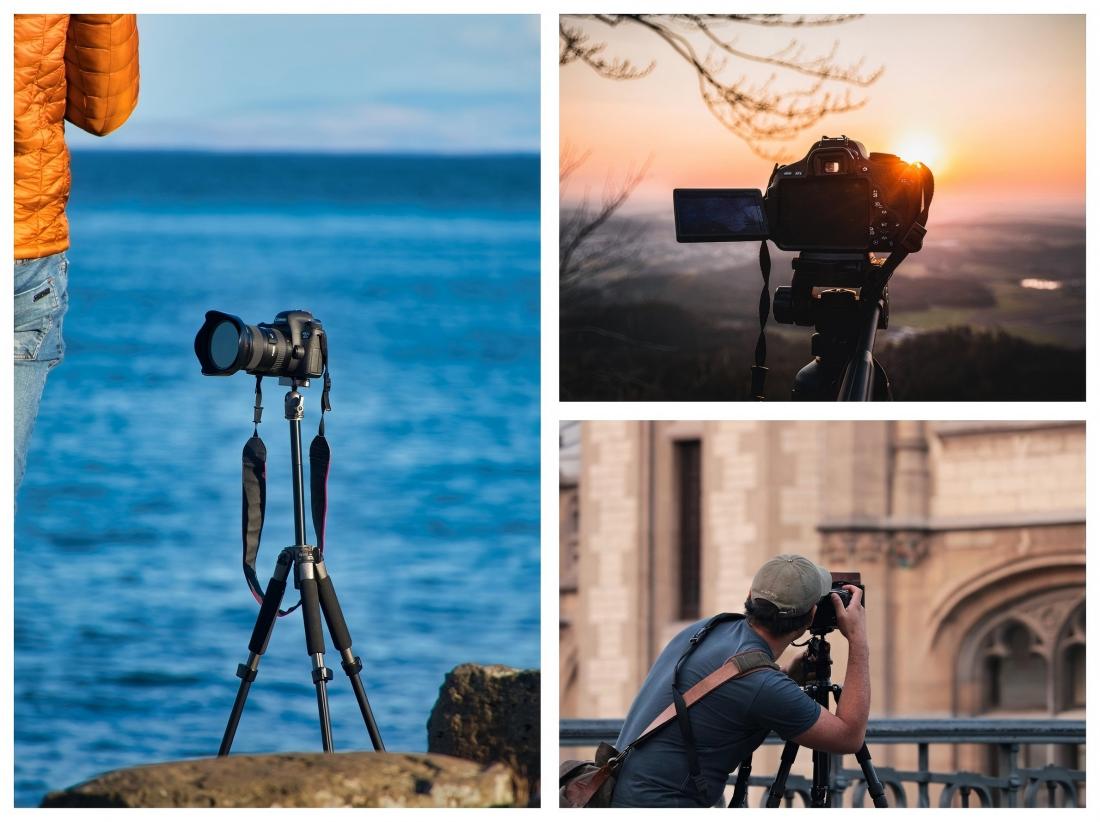
Stability is very important when shooting with a telephoto lens
(5)Pay attention to the changes in aperture and depth of field
The maximum aperture of most zoom lenses decreases as the focal length increases. This means that at the telephoto end, the maximum aperture is smaller, reducing the amount of light entering the lens and weakening the background blur. Therefore, in low-light conditions or when a strong background blur is needed, use the wide-angle end of the lens or increase the ISO.
For a large bokeh effect at the telephoto end, a larger aperture or a closer shooting distance may be required. Furthermore, to control depth of field, you can experiment to understand the impact of different focal lengths on depth of field. For example, shooting with a shorter focal length and then zooming in can make the background sharper, thus obtaining a more useful depth of field.
(6)Use the lens hood reasonably
Varifocal lenses have a more complex structure and a larger front lens group, making them more susceptible to stray light, which can cause flare and ghosting. Using a lens hood is crucial to reducing these flare effects; using the correct type of lens hood can effectively improve image quality and contrast, thus enhancing photo quality.
(7)Use filters with caution
It is generally not recommended to use filters on zoom lenses unless absolutely necessary. In certain environments, such as beaches or saltwater environments, protective or polarizing filters can be used, but using other filters will only increase light reflection problems inside the lens, which can easily backfire.
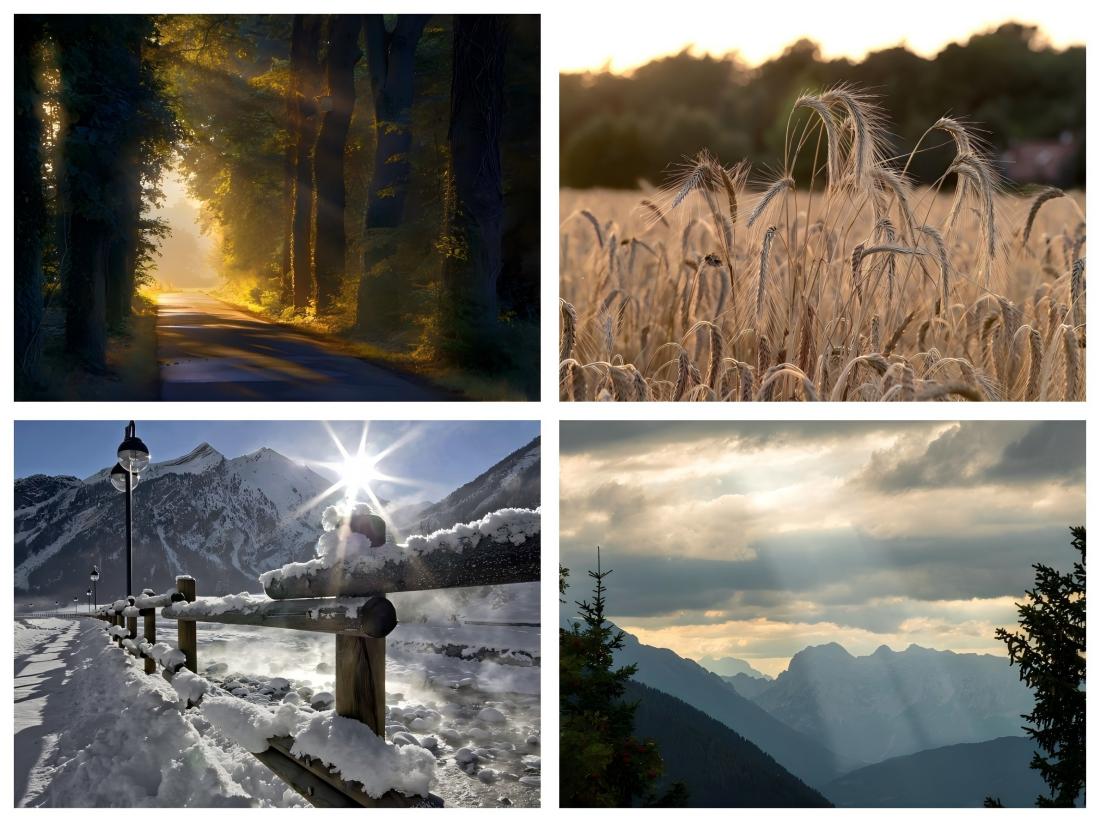
When using a varifocal lens, pay attention to the handling of light
In addition, different shooting scenarios require different techniques when using varifocal lenses. For example, in travel photography, a zoom lens can cover wide-angle to telephoto in one lens; a small aperture can be used for landscape shooting during the day, while a medium telephoto lens with a large aperture can be used for street photography at dusk.
In conclusion, varifocal lenses offer high creative flexibility, supporting shooting subjects that require improvisation. However, as a photographer, simply mastering varifocal lens techniques is far from sufficient; extensive practice and hands-on experience are essential to transform these skills into intuition, allowing you to fully leverage the advantages of zoom lenses and handle various professional scenarios with greater ease.
Post time: Dec-26-2025


