
This product was successfully added to cart!

2022 New Style Distortion-Free Lens - LWIR lenses (Longwave Infrared Lenses) – ChuangAn
 Products
 Products
Product Detail
Product Tags
Related Video
Feedback (2)
| Model | Sensor Format | Focal Length(mm) | FOV (H*V*D) | TTL(mm) | IR Filter | Aperture | Mount | Unit Price | |
|---|---|---|---|---|---|---|---|---|---|

2022 New Style Distortion-Free Lens - LWIR lenses (Longwave Infrared Lenses) – ChuangAn Detail:
A thermographic camera (also called an infrared camera or thermal imaging camera, thermal camera or thermal imager) is a device that creates an image using infrared (IR) radiation, similar to a normal camera that forms an image using visible light. Instead of the 400–700 nanometre (nm) range of the visible light camera, infrared cameras are sensitive to wavelengths from about 1,000 nm (1 micrometre or μm) to about 14,000 nm (14 μm). The practice of capturing and analyzing the data they provide is called thermography.
Applications:
Originally developed for military use during the Korean War, thermographic cameras have slowly migrated into other fields as varied as medicine and archeology. More recently, the lowering of prices has helped fuel the adoption of infrared viewing technology. Advanced optics and sophisticated software interfaces continue to enhance the versatility of IR cameras.
- Agriculture, e.g., Seed-counting machine
- Building inspection
- Fault diagnosis and troubleshooting
- Energy auditing of building insulation and detection of refrigerant leaks A thermographic camera (also called an infrared camera or thermal imaging camera, thermal camera or thermal imager) is a device that creates an image using infrared (IR) radiation, similar to a normal camera that forms an image using visible light. Instead of the 400–700 nanometre (nm) range of the visible light camera, infrared cameras are sensitive to wavelengths from about 1,000 nm (1 micrometre or μm) to about 14,000 nm (14 μm). The practice of capturing and analyzing the data they provide is called thermography.Applications:
Originally developed for military use during the Korean War, thermographic cameras have slowly migrated into other fields as varied as medicine and archeology. More recently, the lowering of prices has helped fuel the adoption of infrared viewing technology. Advanced optics and sophisticated software interfaces continue to enhance the versatility of IR cameras.
- Agriculture, e.g., Seed-counting machine
- Building inspection
- Fault diagnosis and troubleshooting
- Energy auditing of building insulation and detection of refrigerant leaks
- Roof inspection
- Home performance
- Moisture detection in walls and roofs (and thus in turn often part of mold remediation)
- Masonry wall structural analysis
- Energy auditing of building insulation and detection of refrigerant leaks
- Law enforcement and anti-terrorism
- Quarantine monitoring of visitors to a country
- Military and police target detection and acquisition: forward-looking infrared, infrared search and track
- Condition monitoring and surveillance
- Technical surveillance counter-measures
- Thermal weapon sight
- Search and rescue operations
- Firefighting operations
- Thermography (medical) - Medical testing for diagnosis
- Veterinary thermal imaging
- Program process monitoring
- Quality control in production environments
- Predictive maintenance (early failure warning) on mechanical and electrical equipment
Viewed from space by WISE using a thermal camera, asteroid 2010 AB78 appears redder than the background stars as it emits most of its light at longer infrared wavelengths. In visible light and near-infrared it is very faint and difficult to see.
- Astronomy, in telescopes such as UKIRT, the Spitzer Space Telescope, WISE and the James Webb Space Telescope[35]
- Automotive night vision
- Auditing of acoustic insulation for sound reduction
- Baby monitoring systems
- Chemical imaging
- Data center monitoring
- Electrical distribution equipment diagnosis and maintenance, such as transformer yards and distribution panels
- Nondestructive testing
- Research and development of new products
- Pollution effluent detection
- Locating pest infestations
- Aerial archaeology
- Flame detector
- Meteorology (thermal images from weather satellites are used to determine cloud temperature/height and water vapor concentrations, depending on the wavelength)
- Cricket Umpire Decision Review System. To detect faint contact of the ball with the bat (and hence a heat patch signature on the bat after contact).
- Autonomous navigation
- Malicious ApplicationsNighttime wildlife photography
- Thermal Attack is an approach that exploits heat traces left after interacting with interfaces, such as touchscreens or keyboards, to uncover the user’s input.[citation needed]
- Inspecting photovoltaic power plants
- Agriculture, e.g., Seed-counting machine
- Roof inspection
- Home performance
- Moisture detection in walls and roofs (and thus in turn often part of mold remediation)
- Masonry wall structural analysis
- Energy auditing of building insulation and detection of refrigerant leaks A thermographic camera (also called an infrared camera or thermal imaging camera, thermal camera or thermal imager) is a device that creates an image using infrared (IR) radiation, similar to a normal camera that forms an image using visible light. Instead of the 400–700 nanometre (nm) range of the visible light camera, infrared cameras are sensitive to wavelengths from about 1,000 nm (1 micrometre or μm) to about 14,000 nm (14 μm). The practice of capturing and analyzing the data they provide is called thermography.Applications:
- Law enforcement and anti-terrorism
- Quarantine monitoring of visitors to a country
- Military and police target detection and acquisition: forward-looking infrared, infrared search and track
- Condition monitoring and surveillance
- Technical surveillance counter-measures
- Thermal weapon sight
- Search and rescue operations
- Firefighting operations
- Thermography (medical) - Medical testing for diagnosis
- Veterinary thermal imaging
- Program process monitoring
- Quality control in production environments
- Predictive maintenance (early failure warning) on mechanical and electrical equipment
Viewed from space by WISE using a thermal camera, asteroid 2010 AB78 appears redder than the background stars as it emits most of its light at longer infrared wavelengths. In visible light and near-infrared it is very faint and difficult to see.
- Astronomy, in telescopes such as UKIRT, the Spitzer Space Telescope, WISE and the James Webb Space Telescope
- Automotive night vision
- Auditing of acoustic insulation for sound reduction
- Baby monitoring systems
- Chemical imaging
- Data center monitoring
- Electrical distribution equipment diagnosis and maintenance, such as transformer yards and distribution panels
- Nondestructive testing
- Research and development of new products
- Pollution effluent detection
- Locating pest infestations
- Aerial archaeology
- Flame detector
- Meteorology (thermal images from weather satellites are used to determine cloud temperature/height and water vapor concentrations, depending on the wavelength)
- Cricket Umpire Decision Review System. To detect faint contact of the ball with the bat (and hence a heat patch signature on the bat after contact).
- Autonomous navigation
- Malicious ApplicationsNighttime wildlife photography
- Thermal Attack is an approach that exploits heat traces left after interacting with interfaces, such as touchscreens or keyboards, to uncover the user’s input.
- Thermal Attack is an approach that exploits heat traces left after interacting with interfaces, such as touchscreens or keyboards, to uncover the user’s input.
- Inspecting photovoltaic power plants
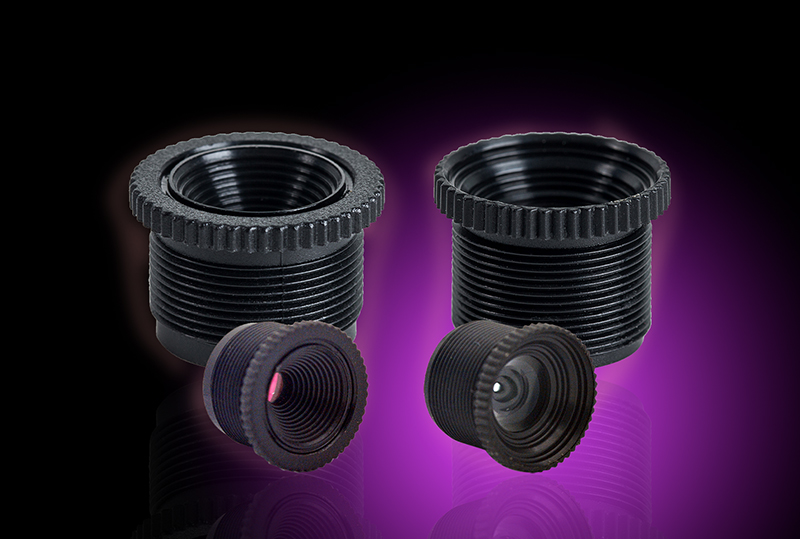
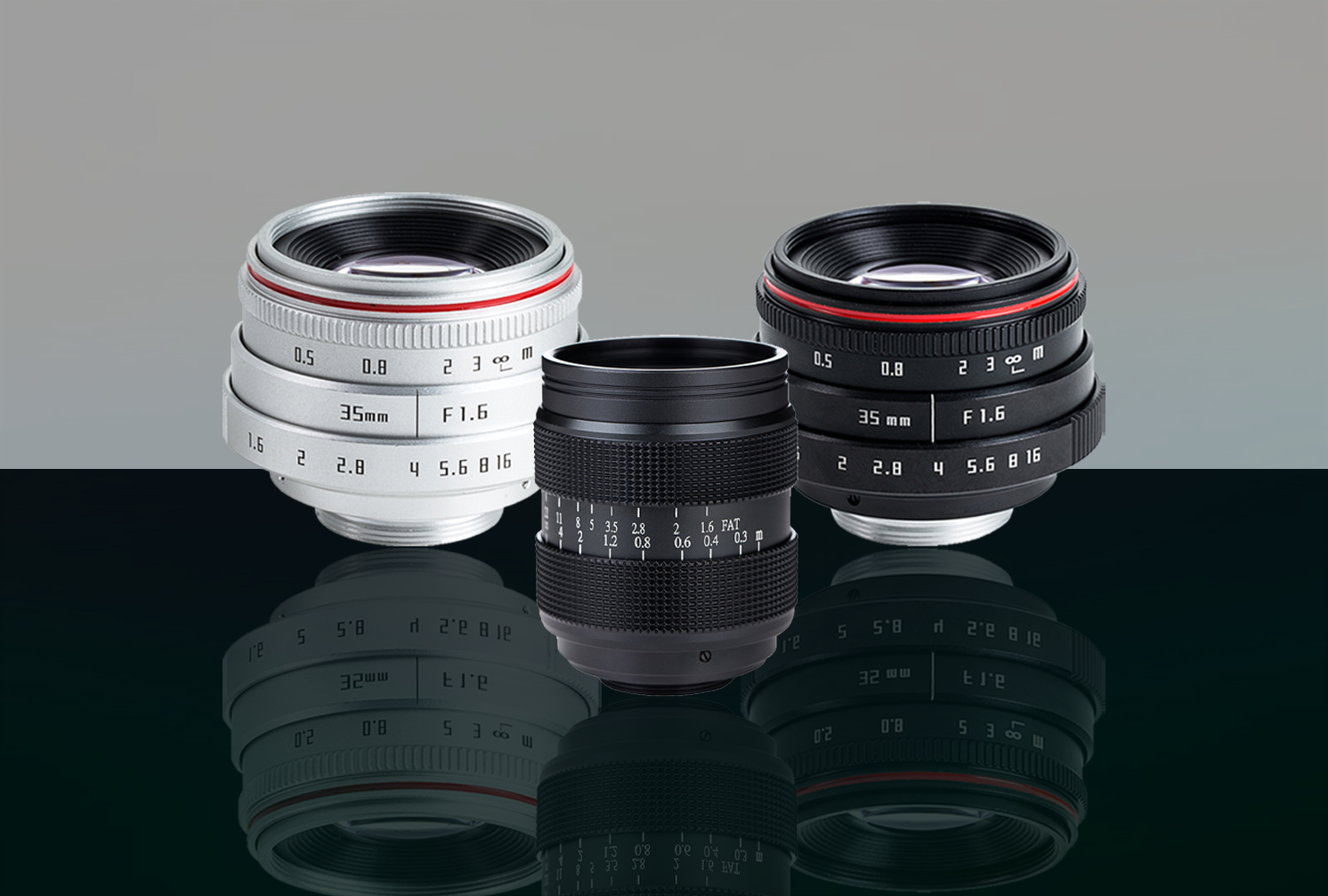
Product detail pictures:
Related Product Guide:
owing to excellent assistance, a variety of high quality products and solutions, aggressive costs and efficient delivery, we take pleasure in an excellent popularity amongst our customers. We are an energetic business with wide market for 2022 New Style Distortion-Free Lens - LWIR lenses (Longwave Infrared Lenses) – ChuangAn , The product will supply to all over the world, such as: Lesotho, Mauritania, Moscow, With good quality, reasonable price and sincere service, we enjoy a good reputation. Products are exported to South America, Australia, Southeast Asia and so on. Warmly welcome customers at home and abroad to cooperate with us for the brilliant future.
 By Cheryl from Afghanistan - 2018.12.11 11:26
The company's products very well, we have purchased and cooperated many times, fair price and assured quality, in short, this is a trustworthy company!
By Matthew Tobias from Jeddah - 2017.03.08 14:45
Products categories


-

Skype
-

Whatsapp
-

Top

